BNN Summary
The year 2026 is shaping up to be one of the most volatile periods of this decade, with multiple regions across the globe engulfed in conflict. The ongoing Russia-Ukraine War…
In-Depth Analysis
The year 2026 is shaping up to be one of the most volatile periods of this decade, with multiple regions across the globe engulfed in conflict. The ongoing Russia-Ukraine War in Europe has entered its third year, while tensions between Pakistan and Afghanistan continue over terrorism-related issues. More recently, the escalation in West Asia—triggered by hostilities involving the United States, Israel, and Iran—has significantly intensified global uncertainty. Among these conflicts, the West Asian crisis holds particular importance for India due to its economic, strategic, energy, and security implications.
Energy Shock and Oil Dependency:
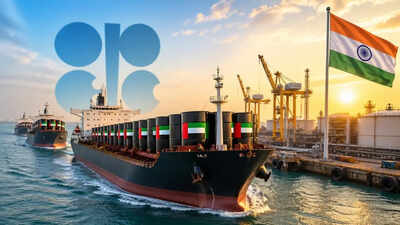
One of the most immediate consequences of the conflict has been the surge in crude oil prices, which have already crossed $115 per barrel and may rise further if tensions persist. India, which imports more than 80% of its crude oil requirements, is highly vulnerable to such fluctuations. Higher oil prices have a cascading effect including Increased fuel costs, Rising transportation expenses, Inflation across sectors such as food, manufacturing, and aviation. An important short-term relief for India has been the continued availability of discounted Russian oil, allowing New Delhi to partially offset supply disruptions and maintain energy stability.
LPG and LNG Supply Disruptions:
The war has significantly disrupted India’s gas supply chains, particularly from Qatar, its largest supplier of liquefied gases. Qatar accounts for Nearly one-third of India’s LPG imports and Around half of LNG supplies. India has already begun experiencing LPG shortages in sectors such as hotels and restaurants. Given that, Around 60% of India’s LPG consumption depends on imports and nearly 90% of these imports pass through the Strait of Hormuz. Any disruption in this region poses a serious energy security challenge. In response, India has initiated diplomatic outreach, including engagement with Iran, which holds strategic control over the Strait of Hormuz.
Escalation: Attack on Energy Infrastructure
The situation worsened following an Iranian missile strike on Ras Laffan, Qatar’s largest LNG facility, leading to a halt in production. Qatar is one of the world’s leading energy exporters alongside major global producers. India’s dependence on Qatar—accounting for roughly 29–34% of its LPG imports—makes this disruption particularly severe. While India has been working toward diversification by enhancing domestic production and expanding refining capacity, addressing such shocks in the short term remains challenging.
Fertilizer and Agricultural Risks:
India’s agricultural sector is also exposed to the crisis. Approximately 40% of India’s urea requirements are linked to the Gulf region, where natural gas is a key input for fertilizer production. The disruption of LNG supplies has already affected fertilizer production. Reports indicate that Qatar’s state-owned energy firm has halted operations at major facilities following recent attacks. Globally, around 20% of fertilizers originate in the Gulf and nearly 46% of global urea production is concentrated in the region. Any prolonged disruption could severely impact agricultural output in countries like India, Brazil, China, and Indonesia.
A prolonged conflict in the Gulf region could significantly impact emerging economies like India. Key economic consequences include Rising inflation due to higher fuel and logistics costs, Increased import bills, Pressure on the Indian rupee due to higher dollar outflows. A weakening rupee further increases the cost of imports, compounding inflationary pressures across the economy.
Government Response and Policy Measures:
The government led by Narendra Modi has taken several proactive steps to manage the crisis: As part of that, Immediate Measures like Directing refineries to maximize LPG production, Prioritizing LPG supply for households, hospitals, and essential services, Restricting supply to non-essential sectors where necessary. In addition to that, the Government has adopted the diversification Strategies including Expanding import sources beyond the Gulf, Engaging with countries such as Russia, Morocco, and Belarus for fertilizers and energy supplies. The government also focussed on Strategic Planning to avoid the crisis like Building reserves of LPG and fertilizers ahead of peak demand seasons, Increasing refining capacity and strategic storage infrastructure. However, rising global prices are expected to increase the government’s subsidy burden, particularly in the fertilizer sector.
The Way Forward:
While the government has taken significant steps to mitigate the immediate impact, long-term solutions require a broader strategy. In addition to diversification and domestic capacity expansion, India must also strengthen its diplomatic role. Given its balanced relations with all major stakeholders, India is well-positioned to contribute to de-escalation efforts and promote dialogue among conflicting parties.
The ongoing conflicts, particularly in West Asia, underline India’s structural vulnerabilities in energy and fertilizer dependence. While short-term measures may cushion the impact, a prolonged conflict could have far-reaching consequences for economic stability and food security. A combination of strategic diversification, domestic capacity enhancement, and active diplomacy will be crucial for India to navigate this complex geopolitical landscape.
How do you feel about this story?