BNN Summary
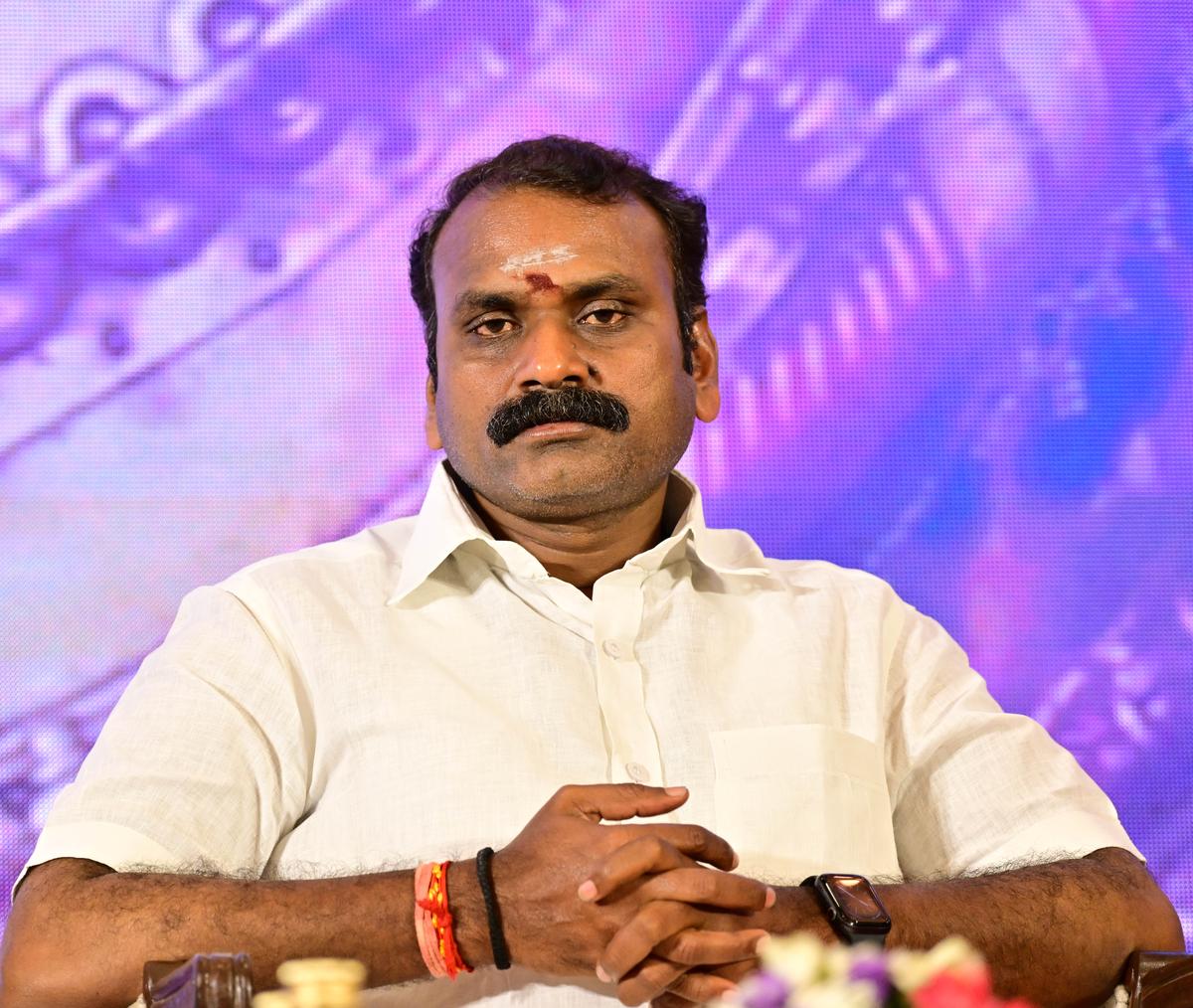
Speculation regarding a major Union Cabinet reshuffle has intensified across political circles after L Murugan reportedly stepped down from his ministerial portfolio and his Rajya Sabha seat. Citing a desire to return to grassroots politics and organizational work, the prominent leader's sudden departure has sparked intense discussions about upcoming structural changes within the central government administration.
In-Depth Analysis
Speculation regarding an impending Union Cabinet reshuffle has gained significant momentum following reports that L Murugan has stepped down from his ministerial responsibilities and his position in the Rajya Sabha. The unexpected development has immediately captured the attention of political analysts, party insiders, and media observers, who view the move as a potential precursor to broader administrative and organizational realignments at the national level.
According to initial reports emerging from political circles, L Murugan conveyed his intention to step down from the Union ministry with a stated desire to return to grassroots politics. Sources close to the development indicate that the leader wishes to dedicate more time to ground-level party mobilization, organizational strengthening, and direct engagement with the public. This rationale has been interpreted by many as part of a wider strategy to reinforce party structures ahead of upcoming political challenges and electoral milestones.
The resignation has naturally triggered widespread speculation about a comprehensive Cabinet reshuffle. Political commentators note that such high-level resignations often signal the ruling leadership's intent to inject fresh energy into governance, reward high-performing organizational members, and reallocate portfolios to optimize administrative efficiency. As discussions continue to circulate in New Delhi, attention has inevitably turned toward who might replace him and whether other ministers could see their portfolios altered or expanded in the near future.
L Murugan's tenure in the Union ministry has been marked by active involvement in key developmental and cultural initiatives. Over the past several years, he has played a visible role in implementing various central welfare schemes and representing the government across multiple platforms. His transition from the central executive back to grassroots engagement highlights a recurring political philosophy within the party, where senior leaders are frequently deployed to strengthen the organizational grassroots and manage regional electoral strategies.
Opposition parties have been quick to react to the developments, utilizing the cabinet shake-up narrative to question the current governance model and internal stability of the ruling administration. However, senior party functionaries have dismissed these criticisms, characterizing the transition as a routine and healthy organizational exercise aimed at dynamic leadership rotation and continuous public outreach.
As political observers await official confirmations and detailed announcements from the central leadership, the focus remains firmly on the timeline and scope of the anticipated Cabinet reshuffle. The restructuring is expected to have far-reaching implications for policy execution, ministerial coordination, and the ruling coalition's overarching political strategy in the months ahead. Further updates regarding new ministerial appointments and portfolio allocations are expected to be released as the situation develops over the coming days.
How do you feel about this story?
Discussion
No comments yet. Be the first to share your thoughts.
Join the discussion
Sign in to share your thoughts on this story.