BNN Summary
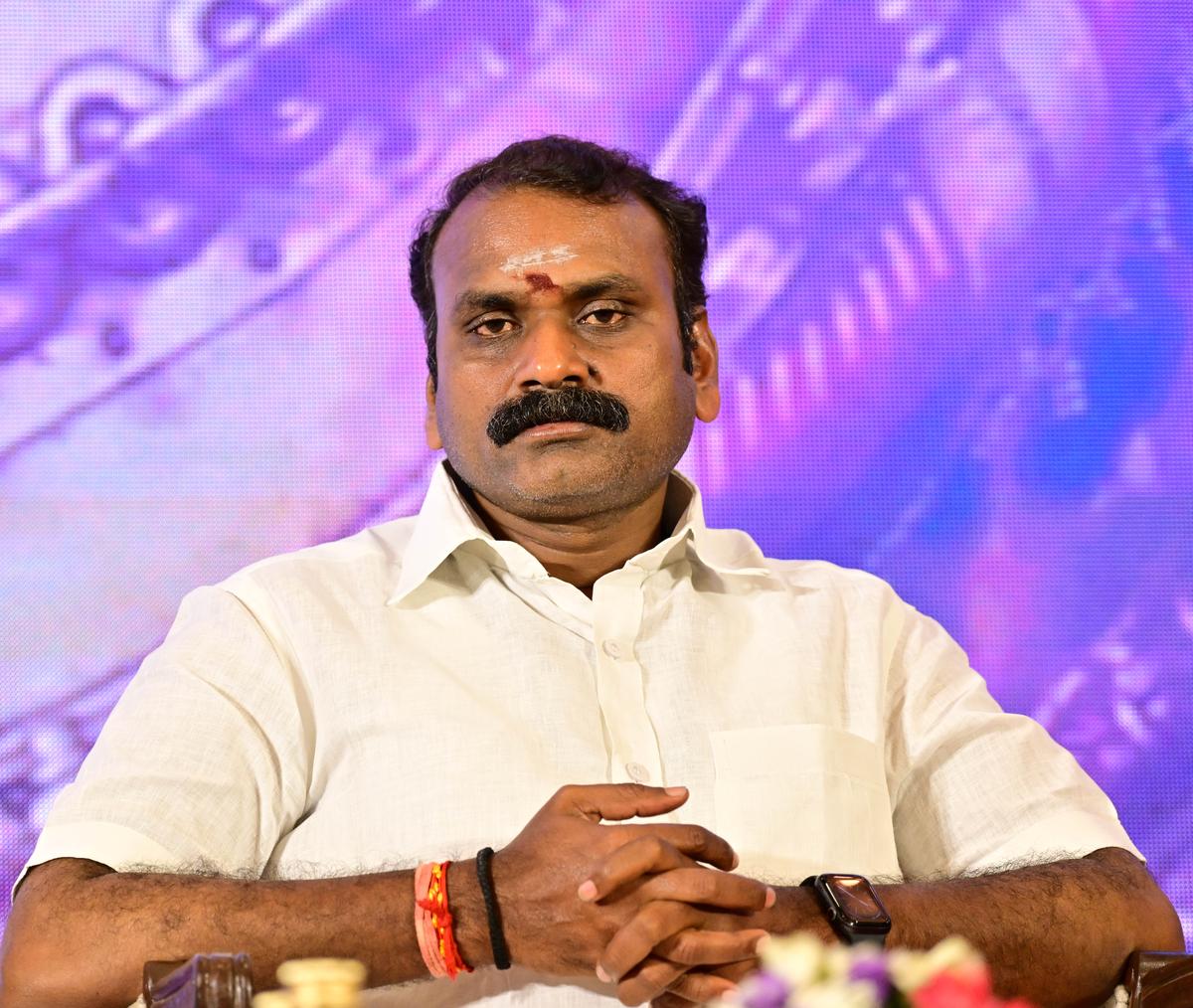
LMurugan has stepped down from his positions as Union Minister and Member of Parliament in the Rajya Sabha. Coming from an agricultural background, the former Tamil Nadu BJP president stated that his primary objective is to dedicate his time and efforts entirely to strengthening the party's grassroots presence and political footprint across Tamil Nadu.
In-Depth Analysis
In a significant political development coming out of New Delhi and Tamil Nadu, L Murugan has formally tendered his resignation from his dual roles as a Union Minister and a Member of the Rajya Sabha. Known for his journey from a modest farming family to holding key national ministerial portfolios, Murugan's sudden departure from the central government machinery has sent ripples through political circles, signaling a major shift in the Bharatiya Janata Party's tactical approach towards the southern state.
Addressing the media and party supporters following his resignation, Murugan emphasized that his decision was entirely voluntary and driven by a singular mission. He stated that his primary goal moving forward is to work tirelessly at the ground level to strengthen the party organization in Tamil Nadu ahead of upcoming political challenges. By stepping away from the constraints and administrative responsibilities of a central ministerial office, he aims to immerse himself completely in regional campaigns, connect directly with local cadres, and broaden the political appeal of the party in a historically challenging electoral landscape.
L Murugan's political career is marked by notable milestones and grassroots mobilization. Hailing from a humble farming background, he overcame socioeconomic barriers through sheer determination, eventually building a successful legal career before diving full-time into public service and political activism. Over the years, he has held several critical organizational positions within the party hierarchy, including serving as the president of the Tamil Nadu state unit. During his tenure as state president, he spearheaded prominent statewide yatras that sought to galvanize party workers and project a dynamic political narrative across various districts.
His elevation to the Union Council of Ministers was widely perceived as a strategic move by the national leadership to give prominent representation to backward communities and to deepen the party's inroads into Dravidian heartlands. As a minister, he handled important portfolios, contributing significantly to policy implementation and administrative oversight. However, with the political dynamics in Tamil Nadu evolving rapidly, the central leadership and regional strategists appear to have recognized the urgent need for seasoned leaders to manage local affairs full-time.
Political analysts view Murugan's transition as a calculated gamble by the party to revitalize its regional unit. Tamil Nadu politics is deeply rooted in regional ideologies, and establishing a formidable footprint requires continuous local engagement, aggressive outreach, and hands-on leadership. By relinquishing his national platform, Murugan is positioning himself as a full-time regional general who can lead from the front, mediate internal factional dynamics, and mount a robust challenge against entrenched regional parties.
As the news of his resignation reverberates across political corridors, supporters have expressed admiration for his willingness to trade the comforts of ministerial authority for grassroots toil. The months ahead will test whether this strategic realignment can successfully translate into enhanced electoral dividends and a transformed political reality for the party in Tamil Nadu.
How do you feel about this story?
Discussion
No comments yet. Be the first to share your thoughts.
Join the discussion
Sign in to share your thoughts on this story.