BNN Summary
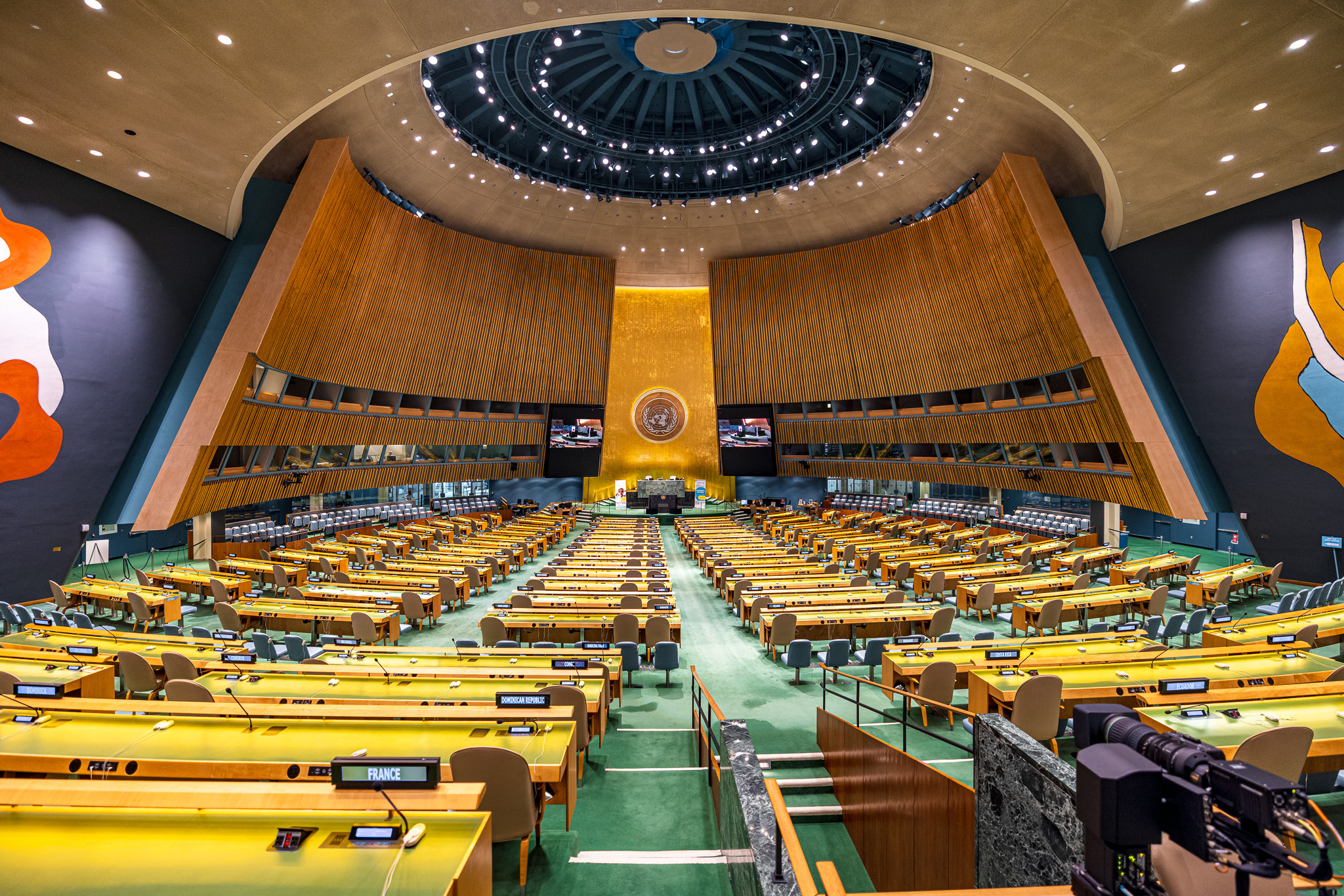
Turkiye continues to champion significant structural reforms within the United Nations, arguing that the current global governance framework led by the permanent five members of the Security Council fails to reflect modern geopolitical realities and leaves developing nations underrepresented.
In-Depth Analysis
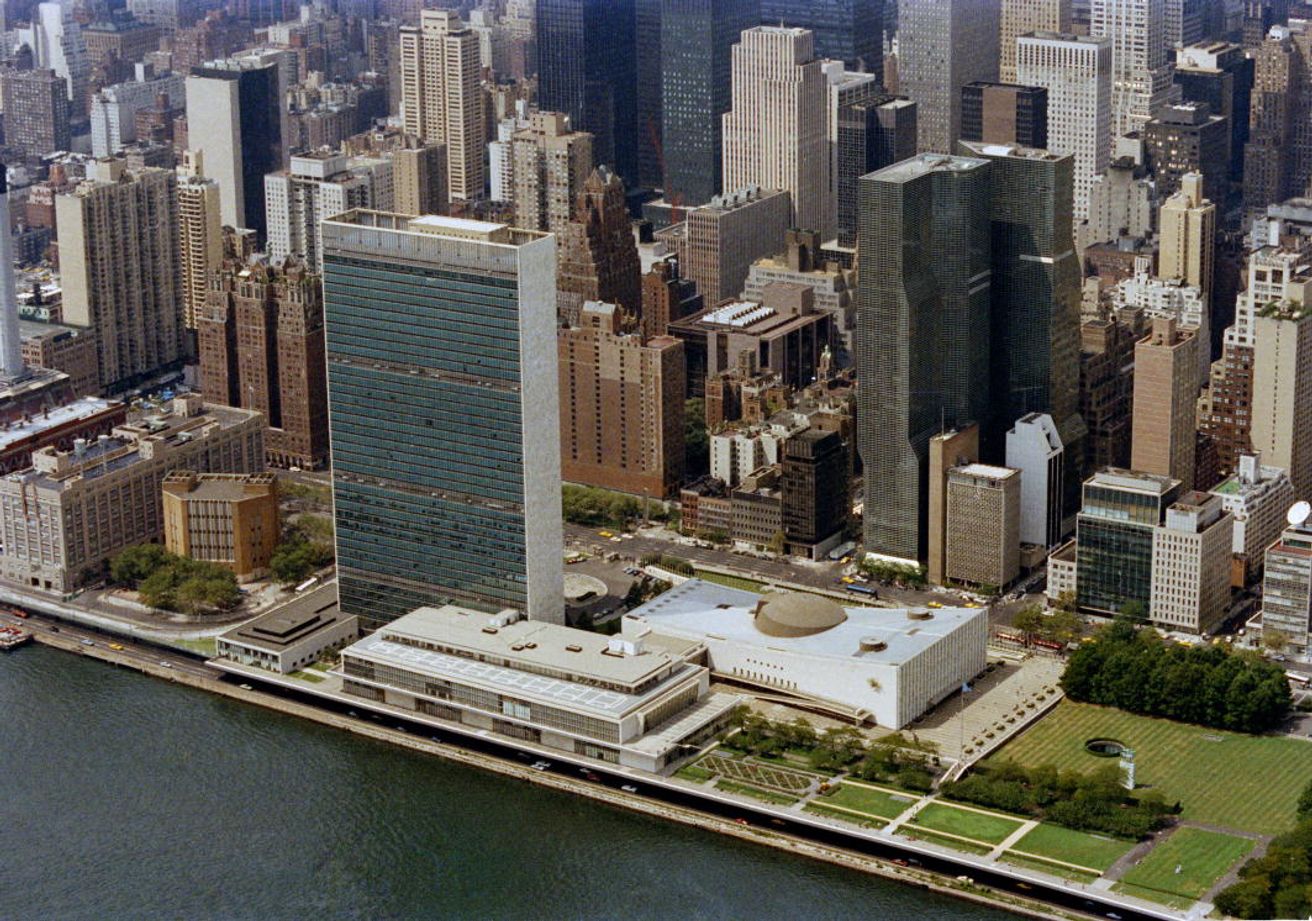
The debate surrounding the structural reformation of the United Nations has gained renewed momentum, with international actors increasingly questioning the efficacy of the current multilateral architecture. At the heart of this discussion is the composition of the United Nations Security Council, specifically the privileged status held by its five permanent members—the United States, the United Kingdom, France, Russia, and China—frequently referred to as the top five. Critics and global leaders argue that this exclusive arrangement, established in the aftermath of the Second World War, is fundamentally obsolete and incapable of addressing the complex crises of the twenty-first century.
Among the most vocal proponents of structural overhaul is Turkiye, which has consistently advanced the diplomatic stance that the existing global order is in desperate need of democratization. Ankara has persistently emphasized the philosophical baseline that 'the world is bigger than five,' a sentiment that encapsulates the frustration felt by the broader international community regarding the monopoly of power vested in a handful of states. During various high-level international forums, Turkish leadership has pointed out that contemporary global challenges—ranging from regional conflicts and transnational terrorism to climate change and mass migration—cannot be effectively managed through a decision-making apparatus paralyzed by geopolitical rivalries and the frequent use of the veto power.
The structural flaw most frequently highlighted by critics is the veto mechanism itself. A single permanent member can stall or entirely block resolutions aimed at resolving humanitarian catastrophes or maintaining international peace and security. This dynamic has repeatedly rendered the Security Council impotent in the face of major global conflicts, undermining the credibility and foundational principles of the United Nations. As a result, nations that contribute significantly to global peacekeeping missions, economic stability, and humanitarian efforts find themselves excluded from critical decision-making processes.
Furthermore, the current Security Council framework lacks adequate geographical and demographic representation. Continents such as Africa and Latin America have no permanent voice among the top leadership tier, while vast regions of Asia are similarly underrepresented in proportion to their current global weight. Turkiye and other reform-minded nations argue that true international justice and sustainable peace can only be achieved through a transparent, inclusive, and representative governing body that mirrors the realities of the modern multipolar world.
Diplomatic efforts to restructure the United Nations face immense bureaucratic and political hurdles, primarily due to the resistance of the existing permanent members who benefit from the status quo. Any meaningful amendment to the United Nations Charter requires the consensus and ratification of these very powers. Nonetheless, persistent advocacy by middle powers and developing nations keeps the conversation alive, pressuring the international community to contemplate alternative frameworks. Unless the United Nations adapts to the demands of a changing world, it risks further erosion of its authority and relevance in global affairs.
How do you feel about this story?
Discussion
No comments yet. Be the first to share your thoughts.
Join the discussion
Sign in to share your thoughts on this story.