BNN Summary
Samsung has officially begun testing One UI 9, with early builds spotted for the Galaxy Z Fold 7. The upcoming software update aims to combat user apathy by delivering powerful, productivity-focused widgets capable of replacing multiple standalone applications, representing a major leap forward for the company's foldable and mainstream flagship ecosystem.
In-Depth Analysis
Samsung's software strategy is entering a critical phase of development as early reports confirm that work on One UI 9 has officially commenced. This next-generation interface, designed to run on top of future Android releases, has already been spotted in active testing for upcoming flagship hardware, including the highly anticipated Galaxy Z Fold 7. While tech enthusiasts are always eager to dissect early software builds, the development of One UI 9 highlights a deeper, more complex narrative unfolding within Samsung's massive user base.
The rapid initiation of One UI 9 firmware builds for the Galaxy Z Fold 7 demonstrates Samsung's commitment to accelerating its software pipeline. Historically, major One UI updates have faced delays as the company optimized its heavy skin for a massive catalog of global devices. By starting development exceptionally early, Samsung hopes to deliver a more stable, polished, and timely rollout when the next generation of foldables debuts. This proactive engineering is essential as the competition in the foldable market intensifies, with rival manufacturers offering incredibly thin hardware coupled with highly optimized software.
However, the road ahead for One UI 9 is not without its hurdles. Industry observers note that Samsung faces a unique challenge regarding consumer sentiment. While vocal communities often express anger over controversial UI changes or delayed feature rollouts, a far more dangerous threat is growing consumer indifference. As smartphone hardware and software reach a state of mature saturation, minor incremental updates no longer generate the excitement they once did. Samsung must ensure that One UI 9 introduces meaningful, transformative experiences rather than superficial aesthetic tweaks, or it risks losing the interest of its most loyal customers.
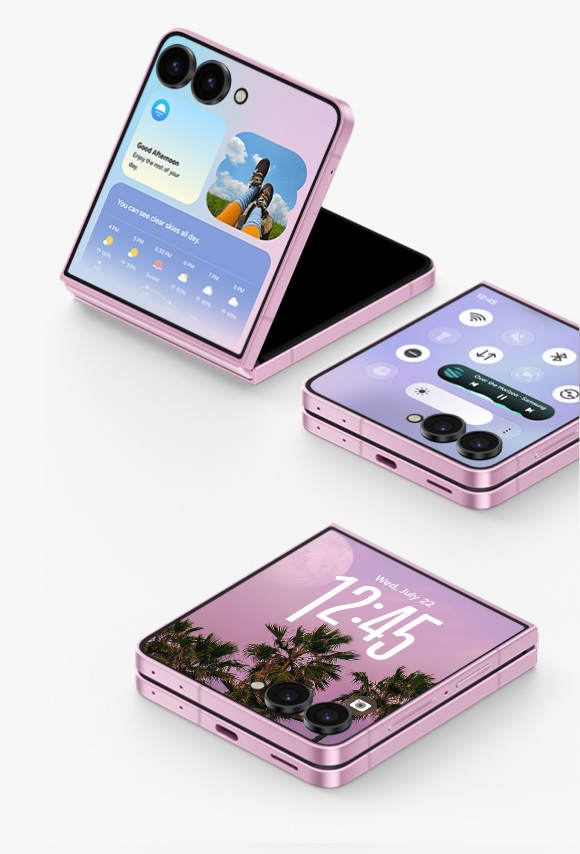
Fortunately, early reports surrounding One UI 9's feature set suggest a heavy focus on deep, functional productivity. A major highlight of the upcoming interface is the complete overhaul of system widgets. Early evaluations indicate that these new interactive widgets are so robust that they can successfully replace up to four standalone productivity applications. By integrating advanced scheduling, real-time task tracking, quick-note captures, and contextual system shortcuts directly onto the home screen, One UI 9 minimizes the need to jump between sluggish third-party apps. This seamless integration optimizes device performance, improves battery efficiency, and drastically enhances daily user workflows.
For large-format devices like the Galaxy Z Fold 7, these productivity enhancements will be a defining feature. The expansive canvas of a folding screen is the perfect environment for One UI 9's advanced multitasking capabilities and dynamic widget layouts. If Samsung can successfully bridge the gap between high-end hardware and highly functional, lag-free software, One UI 9 could turn the tide of consumer apathy and redefine the modern mobile experience.
How do you feel about this story?
Discussion
No comments yet. Be the first to share your thoughts.
Join the discussion
Sign in to share your thoughts on this story.