BNN Summary
Google has officially introduced the Fitbit Air in India, marking a major milestone as the company's first screenless fitness tracker featuring continuous heart rate monitoring and a lightweight design. Despite its advanced health tracking capabilities and sleek form factor, industry analysts note that its premium pricing strategy might present a hurdle for mass adoption across the region.
In-Depth Analysis
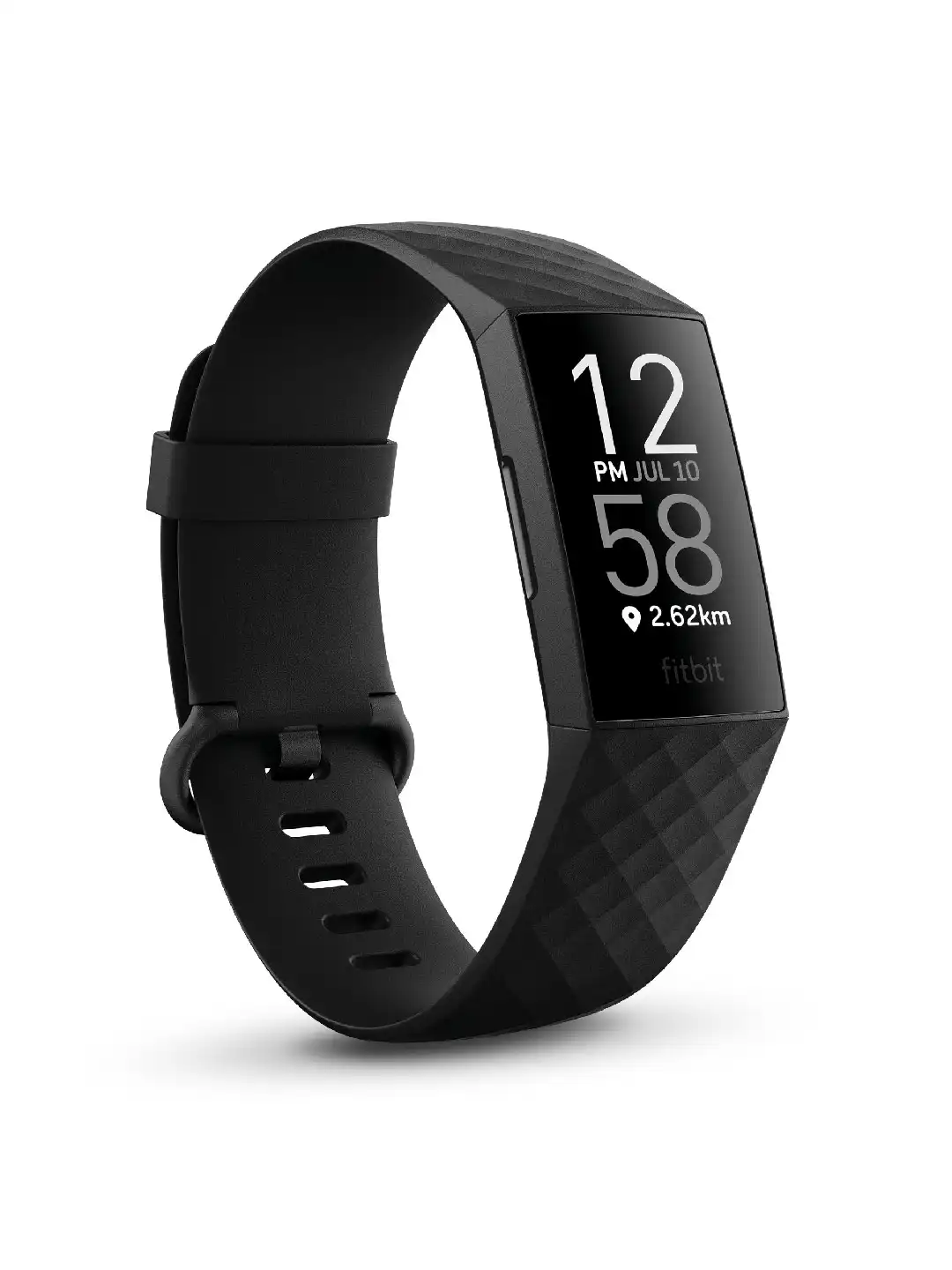
Google has officially expanded its wearable technology portfolio in India with the introduction of the all-new Fitbit Air. This release marks a significant departure from traditional smartwatch designs by introducing the company's very first screenless fitness tracker tailored specifically for users who prioritize minimalist aesthetics alongside robust health metrics. The device focuses heavily on continuous health monitoring without the typical distractions associated with smartwatches, such as incoming notifications, vibrant displays, and power-hungry applications.
At the core of the Fitbit Air is an advanced sensor suite designed to provide uninterrupted physiological tracking. The standout feature is its continuous heart rate monitoring system, which operates silently in the background to record cardiovascular activity throughout the day and night. In addition to heart rate tracking, the tracker includes automated exercise recognition, sleep tracking capabilities, and comprehensive wellness scoring designed to help users understand their overall physical condition. By omitting a display screen, engineers were able to drastically reduce power consumption, allowing the device to achieve an impressive battery life that lasts for multiple days on a single charge.
Market analysts and technology experts have expressed mixed reactions regarding the commercial prospects of the Fitbit Air in India. While the hardware design, build quality, and underlying software ecosystem have received widespread praise, the primary point of contention remains its pricing strategy. Positioned as a premium lifestyle accessory, the device carries a relatively high price tag compared to other fitness bands available in the region. Competitors in the Indian wearable market often offer color displays and smartphone notification integration at a fraction of the cost, raising questions about whether consumers will be willing to pay a premium for a screenless experience.
Despite potential pricing hurdles, Google remains confident in the appeal of the Fitbit Air. The target demographic appears to consist of fitness enthusiasts who prefer a discreet tracker that does not interfere with traditional watches or demand constant visual attention. Furthermore, the integration with the broader Fitbit application ecosystem ensures that users gain access to deep analytical insights, personalized health guidance, and trend analysis over time.
Industry watchers will be closely monitoring sales figures in the coming months to determine if the minimalist, screenless approach resonates with Indian consumers. As the wearable technology market continues to mature, manufacturers are increasingly experimenting with form factors that balance health tracking precision with user convenience. The launch of the Fitbit Air in India represents a bold bet by Google that simplicity and long battery life can outweigh the demand for traditional smartwatch features.
How do you feel about this story?
Discussion
No comments yet. Be the first to share your thoughts.
Join the discussion
Sign in to share your thoughts on this story.