BNN Summary
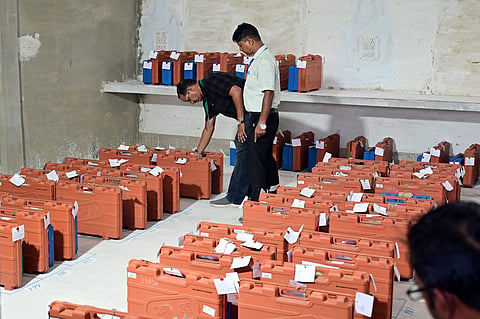
The Bharatiya Janata Party has emerged victorious in the recent Rajasthan civic elections, yet a deeper analysis of the electoral data reveals a nuanced political landscape across urban and semi-urban regions.
In-Depth Analysis
The recent civic elections in Rajasthan have concluded with the Bharatiya Janata Party claiming a notable victory, yet a meticulous examination of the underlying results reveals a vastly more complex political reality. While the ruling party celebrated its dominance across several municipal boards and corporations, political analysts point out that the margins of victory and localized setbacks indicate shifting voter sentiments across different regions of the state.
Electoral Performance Overview
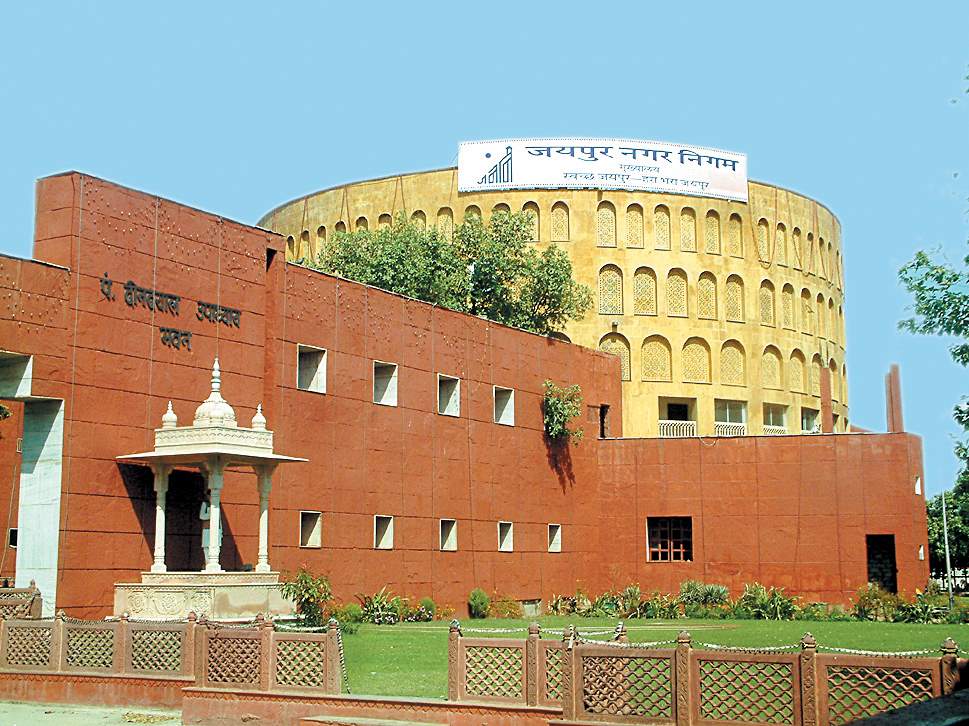
The local body polls, which are often viewed as a bellwether for grassroots political support, saw intense competition between the primary political factions in Rajasthan. The Bharatiya Janata Party managed to secure control over a significant number of civic bodies, reinforcing its organizational strength at the municipal level. However, the opposition parties mounted a formidable challenge in traditional strongholds, capturing crucial urban pockets and demonstrating that local leadership and civic grievances played a decisive role in specific wards.
Key Factors Influencing Voter Behavior
Unlike high-stakes state or national legislative elections where overarching ideological narratives often dominate, municipal polls are heavily anchored in immediate, ground-level issues. Voters across various districts expressed distinct concerns regarding urban infrastructure, sanitation services, drinking water supply, and local governance efficiency.
- Infrastructure and Development: Municipalities that witnessed rapid commercial expansion demanded better road networks and waste management systems, holding local representatives directly accountable.
- Economic Realities: Inflation and local taxation emerged as prominent talking points during door-to-door campaigning by all political formations.
- Anti-Incumbency Pressures: In several specific wards, anti-incumbency sentiments against sitting local councilors paved the way for independent candidates or opposition contenders to secure surprise victories.
Implications for Future Political Strategy
Political scientists suggest that the nuanced outcome of these civic polls serves as a critical learning experience for all major political players in Rajasthan. For the ruling Bharatiya Janata Party, the victory provides a morale boost and validates its grassroots outreach machinery, yet the localized defeats signal areas requiring urgent administrative intervention and policy recalibration. Meanwhile, the opposition finds renewed vigor in its ability to challenge the ruling establishment in urban centers, setting the stage for more fiercely contested electoral battles in the future.
As municipal administrations take charge following these results, the primary challenge for the newly elected representatives will be translating campaign promises into tangible developmental outcomes. Citizens and local business owners alike are expected to closely monitor administrative performance, ensuring that civic bodies prioritize long-term urban planning over short-term political gains.
How do you feel about this story?
Discussion
No comments yet. Be the first to share your thoughts.
Join the discussion
Sign in to share your thoughts on this story.