BNN Summary
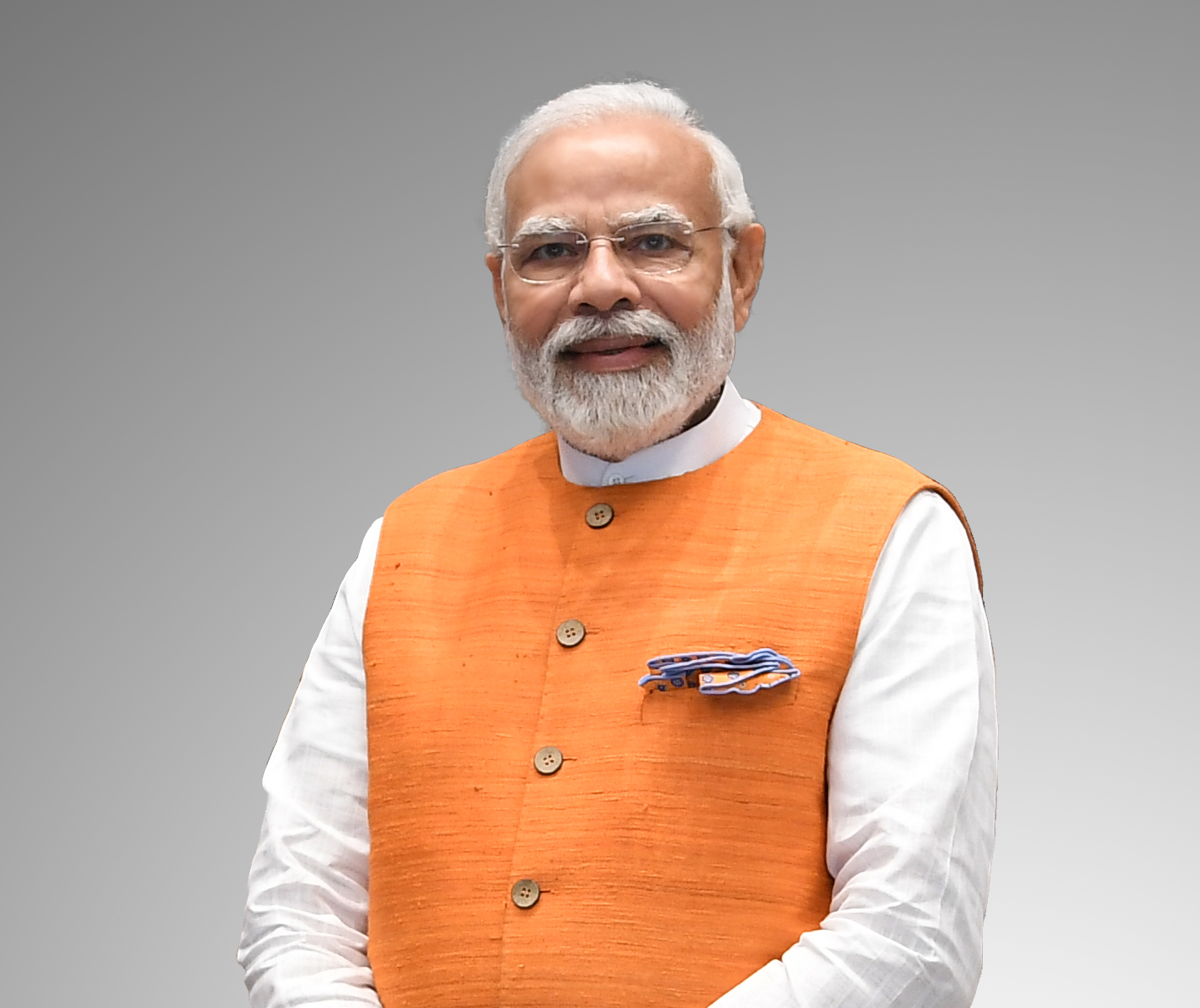
Prime Minister Narendra Modi is approaching a significant political and personal milestone as he looks toward turning seventy-six. Throughout his extensive tenure leading India, his political trajectory has continually reshaped the nation's governance, economic policies, and international standing. Observers and supporters across the country are preparing to mark the occasion, reflecting on a decades-long career defined by prominent electoral victories, administrative transformations, and a relentless focus on developmental reforms.
In-Depth Analysis
As the political landscape of India continues to evolve, Prime Minister Narendra Modi is steadily approaching a notable personal and administrative milestone, preparing to mark his seventy-sixth year. Over the course of more than two decades in high executive office—first as the long-serving Chief Minister of Gujarat and subsequently as the Prime Minister of India since 2014—his leadership has remained a central pillar of contemporary Indian politics.
Political analysts and observers note that reaching this age while maintaining an active, rigorous schedule underscores a unique brand of political endurance. Throughout his tenure, the Prime Minister has championed numerous flagship initiatives aimed at financial inclusion, digital infrastructure expansion, manufacturing growth, and social welfare delivery. Programs spanning sanitation, housing, digital payments, and direct benefit transfers have reached hundreds of millions of citizens, fundamentally altering the relationship between the Indian state and its populace.
Born in September 1950, Narendra Modi's journey from humble beginnings in Vadnagar, Gujarat, to the highest office in the world's largest democracy remains one of the most studied political narratives of the twenty-first century. His ascent through the organizational ranks of the Rashtriya Swayamsevak Sangh and the Bharatiya Janata Party established a reputation for meticulous electoral strategy, organizational discipline, and clear ideological positioning. When he first assumed the prime ministerial office in May 2014, he brought a mandate for governance reform, famously encapsulated in the slogan 'Sabka Saath, Sabka Vikas', meaning together with all, development for all.
Over successive general elections, most notably the resounding victories in 2019 and the complex coalition mandate of 2024, his political influence has proven durable. Even as political dynamics shift and opposition parties mount concerted challenges, the Prime Minister continues to set the national political agenda. Supporters credit his administrative continuity with providing stability and long-term vision to India's economic trajectory, pointing toward infrastructure investments, defense modernization, and assertive foreign policy as key hallmarks of his administration.
Internationally, his tenure has witnessed a recalibration of India's global partnerships. By actively engaging with major powers, the Global South, and multilateral forums, the administration has sought to position India as a 'vishwamitra', or friend to the world, and a crucial voice in global governance, climate discussions, and supply chain diversification. Major global events hosted by India, such as the G20 presidency, further solidified this diplomatic footprint.
As public preparations and organizational acknowledgments begin to take shape across the country, political commentators are reflecting on the enduring legacy of his leadership. Whether through grassroots outreach, digital communication strategies, or large-scale public addresses, the Prime Minister maintains a direct and potent connection with his voter base. This upcoming milestone serves not only as a personal marker for the leader but also as a moment for the nation to evaluate a transformative era in modern Indian history.
How do you feel about this story?
Discussion
No comments yet. Be the first to share your thoughts.
Join the discussion
Sign in to share your thoughts on this story.