BNN Summary
Political dynamics are heating up in Uttar Pradesh and Maharashtra as opposition parties strategize for upcoming legislative assembly battles. Alliance negotiations, contentious seat-sharing discussions, and vocal criticisms of the ruling administration have taken center stage among key regional and national political figures.
In-Depth Analysis
The political landscape in India is witnessing a surge of intense activity and strategic maneuvering as key regional and national parties prepare for upcoming electoral battles. In Uttar Pradesh and Maharashtra, leaders from various political factions are actively engaging in intense debates, public rallies, and alliance negotiations to secure a strategic advantage.
Uttar Pradesh Electoral Dynamics and Seat-Sharing Debates
In Uttar Pradesh, discussions surrounding the 2027 assembly elections have already begun to dominate political discourse. Parties are focusing heavily on grassroots mobilization and coalition-building. Recent discussions have highlighted the complexities of seat-sharing arrangements among major opposition groups, particularly involving regional heavyweights and national parties. Analysts note that coalition dynamics will play a decisive role in shaping the electoral outcome.
The 'PDA' formula—representing Pichde (backward classes), Dalits, and Alpasankhyak (minorities)—has emerged as a central pillar of opposition messaging in the state. Leaders are emphasizing social justice and inclusive development to counter the ruling party's developmental and ideological narrative. At the same time, ruling party functionaries are dismissing the opposition alliances as opportunistic, asserting that voters favor stable governance and continuous infrastructure growth.
Maharashtra Political Stir and Opposition Protests
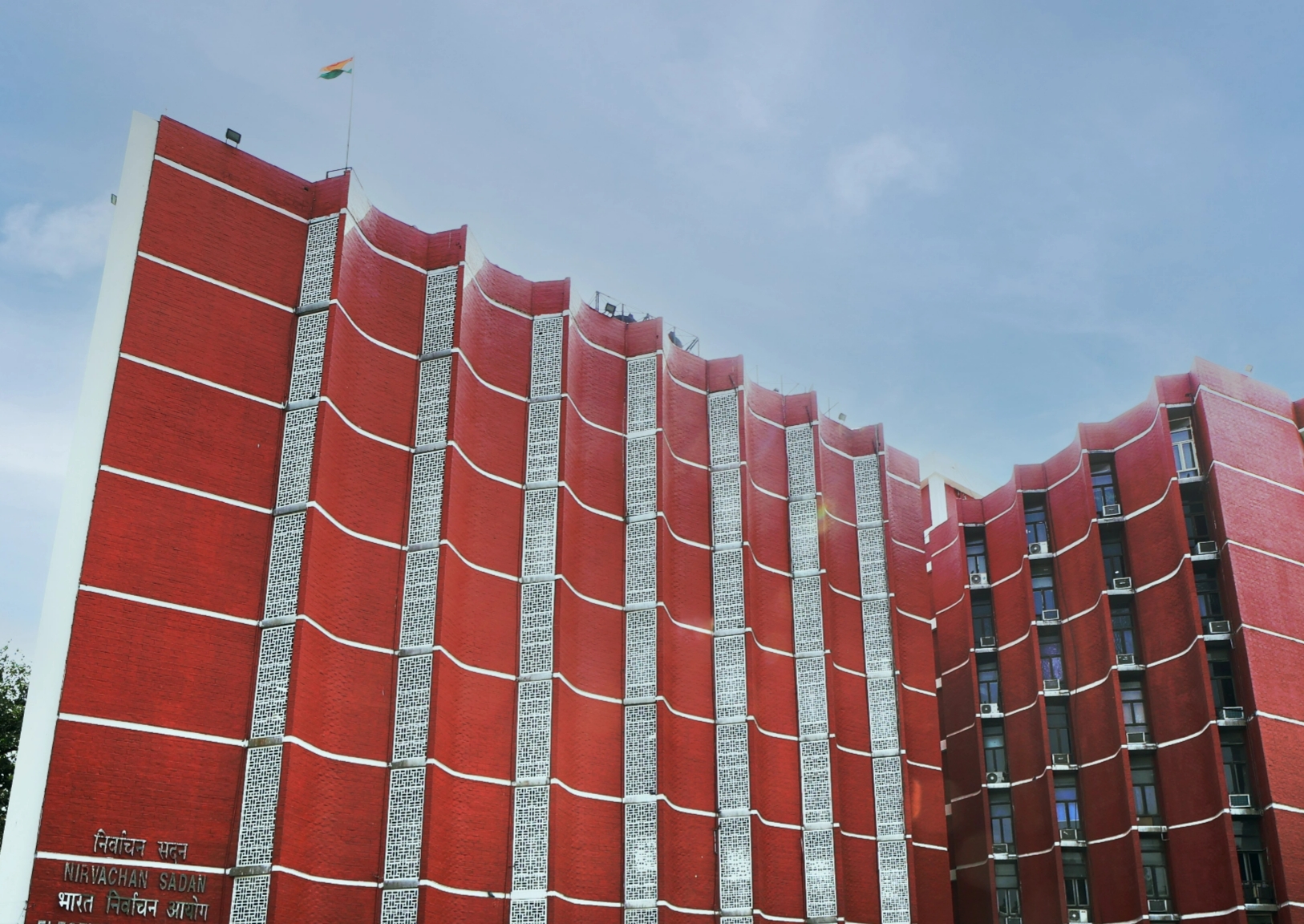
Meanwhile, in Maharashtra, political tensions have reached a fever pitch following sharp criticisms from opposition leaders directed at the electoral process and the ruling administration. Prominent leaders have voiced strong concerns regarding election management and democratic integrity, drawing historical parallels to emphasize the urgency of their political resistance.
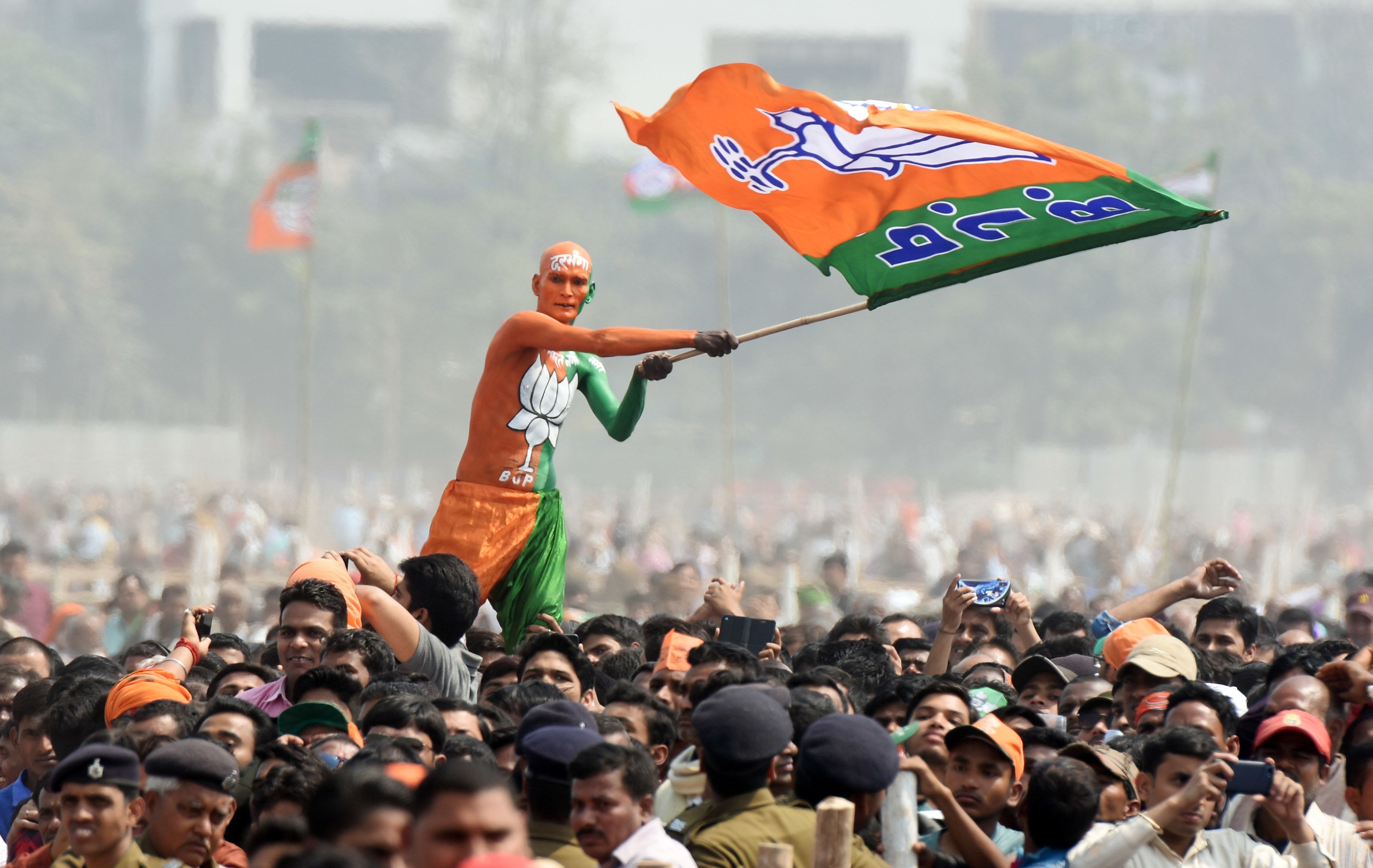
Recent demonstrations and public marches organized by opposition factions have drawn significant crowds, signaling deep-seated political polarization in the western state. Party leaders have called upon citizens to remain vigilant, framing the upcoming political contests as crucial battles for the preservation of democratic institutions. These rallies are designed to galvanize the cadre and build momentum ahead of local and state-level polls.
Strategic Implications for National Politics
Both Uttar Pradesh and Maharashtra hold critical weight in the broader national political framework due to their high number of parliamentary and legislative constituencies. Outcomes in these states often serve as bellwethers for national sentiment. Consequently, national leadership from all major parties is closely monitoring developments, offering strategic guidance, and ramping up campaign preparations.
Political analysts observe that as election dates draw closer, campaigns are likely to become increasingly polarized. Issues related to employment, inflation, social welfare schemes, and regional development will remain at the forefront of voter concerns. Both the ruling coalitions and the opposition alliances are fine-tuning their communication strategies to address these core issues effectively, ensuring a fiercely contested electoral season ahead.
How do you feel about this story?
Discussion
No comments yet. Be the first to share your thoughts.
Join the discussion
Sign in to share your thoughts on this story.