BNN Summary
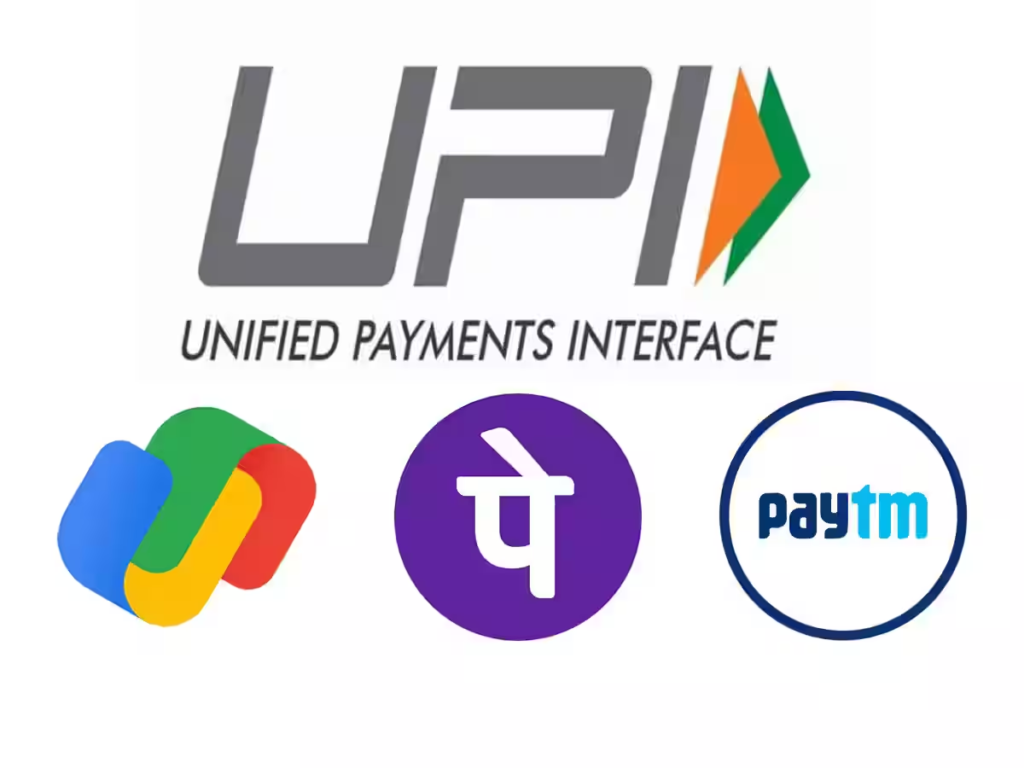
Amajor political confrontation has erupted between the ruling Bharatiya Janata Party and the opposition Congress party following the introduction of updated Unified Payments Interface fee guidelines. Opposition leaders accuse the government of yielding to foreign corporate interests, while the administration defends the regulatory adjustments as necessary for the long-term sustainability of the country's digital financial infrastructure.
In-Depth Analysis
The introduction of a revised fee framework for the Unified Payments Interface has triggered an intense political controversy across India, drawing sharp criticisms from opposition parties and a robust defense from the central government. The debate centers around the evolving economic structure of digital transactions, which have become a cornerstone of daily commerce and financial inclusion for hundreds of millions of citizens throughout the nation.
Rahul Gandhi, a prominent leader of the Indian National Congress, launched a blistering attack against the administration led by Prime Minister Narendra Modi. In his public statements, the opposition leader claimed that the new regulatory framework represents a capitulation to foreign interests and international corporate pressures. He argued that introducing any form of friction or transaction charges undermines the foundational promise of a completely free and accessible digital public good, which has revolutionized banking and retail transactions over the past several years.
Political analysts note that the Unified Payments Interface has been widely celebrated as a monumental technological success story for India, driving unprecedented levels of financial inclusion, reducing cash dependency, and streamlining tax compliance. Consequently, any policy modifications touching upon transaction costs or merchant discount rates tend to evoke strong reactions from both consumer advocacy groups and political factions seeking to champion the interests of common citizens and small-scale merchants.
In response to the mounting political pressure, leaders and spokespersons from the Bharatiya Janata Party forcefully rejected the allegations leveled by the opposition. The ruling party maintained that the updated framework is designed to ensure the financial viability and technological resilience of the payment ecosystem. Government defenders emphasized that backend transaction processing involves substantial operational costs for banks and fintech service providers, and a balanced regulatory approach is essential to prevent systemic strain while maintaining user convenience.
Furthermore, the political discourse quickly expanded beyond purely economic arguments, drawing in broader ideological debates regarding nationalism, economic self-reliance, and governance priorities. Senior BJP figures accused opposition critics of spreading misinformation and attempting to politicize a purely technical and financial regulatory update aimed at securing the future of India's digital economy. They pointed out that consumer-facing transactions remain largely insulated and that the system continues to grow at a phenomenal pace, outperforming traditional financial models globally.
As the debate continues to unfold in media forums and parliamentary discussions, financial experts stress the importance of maintaining a delicate balance between encouraging digital adoption and ensuring that payment service providers can sustainably invest in robust cybersecurity infrastructure. The outcome of this ongoing political tussle may well influence future policy directions regarding digital public goods and regulatory oversight in India's rapidly expanding fintech sector.
How do you feel about this story?
Discussion
No comments yet. Be the first to share your thoughts.
Join the discussion
Sign in to share your thoughts on this story.