BNN Summary
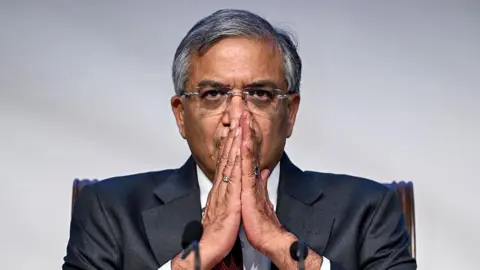
Widespread protests erupted in New Delhi as opposition parties and youth activist organizations gathered to demand the immediate resignation of Chief Election Commissioner Gyanesh Kumar. Demonstrators allege institutional bias and integrity issues within the Election Commission of India.
In-Depth Analysis
The capital city of New Delhi witnessed intense political demonstrations on Tuesday as opposition political parties, youth student organizations, and civic activist groups staged coordinated rallies demanding the immediate resignation of India's Chief Election Commissioner, Gyanesh Kumar. The protests mark a significant escalation in the ongoing friction between opposition coalitions and the country's top electoral body over allegations of procedural irregularities, institutional bias, and electoral integrity concerns.
Demonstrators gathered in large numbers near major government thoroughfares in central Delhi, carrying placards and chanting slogans calling for transparency and reform within the Election Commission of India. Youth organizations, including prominent student unions, organized creative and high-profile symbolic demonstrations across educational campuses and public squares, drawing public attention to what they characterize as a systemic erosion of democratic norms.
The core grievance articulated by the opposition leadership centers on allegations that the Election Commission under Gyanesh Kumar has failed to act neutrally during crucial electoral processes. Critics have repeatedly voiced concerns regarding the handling of model code of conduct violations, constituency delimitation exercises, and the management of voting mechanisms. Opposition spokespersons claimed that multiple complaints submitted regarding partisan rhetoric and unfair campaigning practices during recent election cycles were either dismissed or met with delayed enforcement action, thereby undermining a level playing field for all political contenders.
Addressing the media during the protest march, leaders from various opposition parties emphasized that an independent electoral arbiter is essential for maintaining constitutional democracy. They asserted that public faith in the electoral framework has reached an unprecedented low and argued that the current Chief Election Commissioner must step down to restore confidence in upcoming democratic processes. Several youth protest leaders noted that student groups intend to expand their agitation nationwide if the government and the election panel fail to address their demands for impartial oversight and comprehensive reforms.
Security measures across New Delhi were significantly heightened in response to the mobilization. Law enforcement agencies deployed extra personnel, set up multi-tiered barricades around vital administrative buildings, and temporarily restricted traffic movement along key avenues leading toward Parliament and the Election Commission headquarters. While police authorities reported that the protests remained largely peaceful, several student activists were briefly detained after attempting to breach security perimeters near central government offices.
The Election Commission of India has consistently rejected charges of partiality, maintaining that all statutory decisions are executed strictly in accordance with constitutional provisions and established guidelines. Officials close to the commission reiterated that the poll body operates with total independence and that allegations leveled by political parties are politically motivated. However, as political tensions build ahead of future state and regional polls, the growing public agitation highlights the severe challenges facing the institution in maintaining stakeholder trust across the political spectrum.
How do you feel about this story?
Discussion
No comments yet. Be the first to share your thoughts.
Join the discussion
Sign in to share your thoughts on this story.

/theprobe/media/media_files/2026/09/23/cec-gyanesh-kumar-eci-controversy-2026-09-23-17-07-14.jpg)