BNN Summary
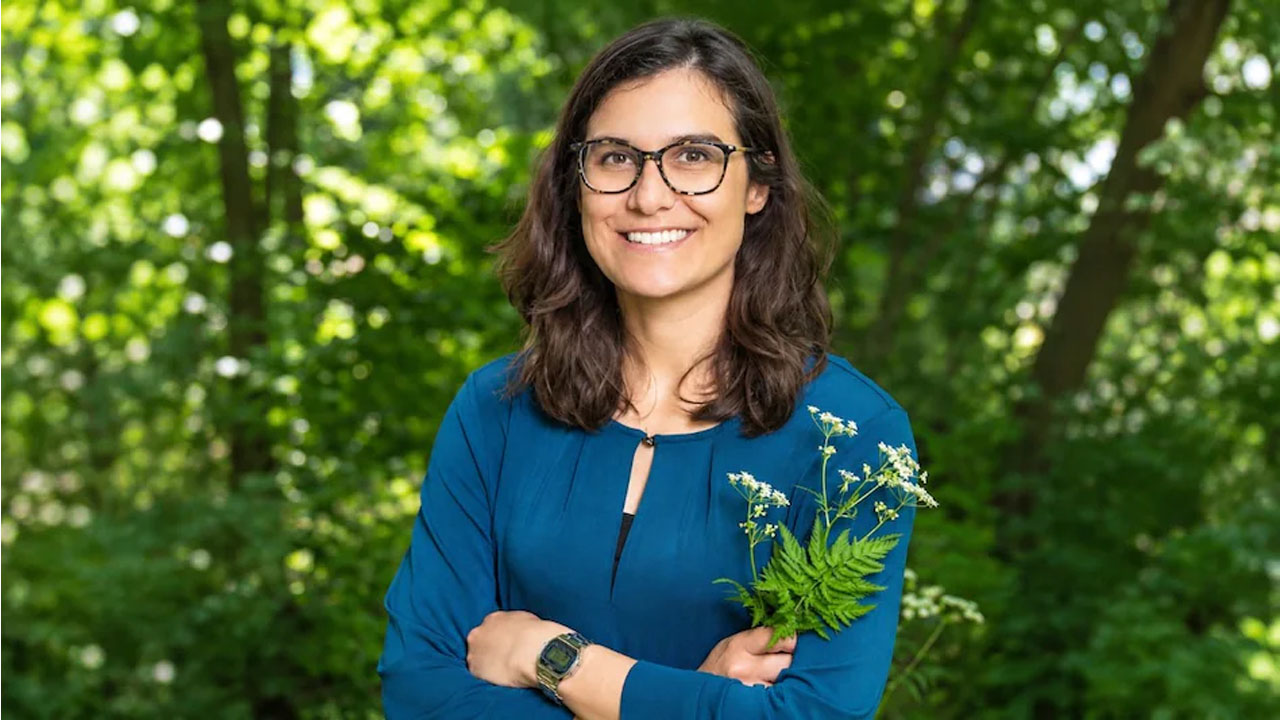
Nila Vikhe Patil, with deep educational and familial roots in Maharashtra, India, has been elected to the Swedish Parliament. She represents a remarkable cross-cultural bridge, carrying forward a legacy of public service and education from her family background in Ahmednagar to the European legislative arena.
In-Depth Analysis
The global political landscape has witnessed a remarkable milestone as Nila Vikhe Patil officially secured her position as a member of the Swedish Parliament. Hailing from a distinguished background with strong ancestral and cultural ties to the Ahmednagar district in Maharashtra, India, her victory has sparked immense pride and widespread celebration across both Sweden and her ancestral homeland.
Familial Legacy and Educational Roots
Nila Vikhe Patil belongs to a family renowned for its monumental contributions to education, social development, and public service. Her father, a prominent educationist, and her extended family have long been pillars of institutional development in western India, notably managing extensive educational networks that have empowered thousands of students over several decades. Her uncle holds a significant position as a BJP minister in Maharashtra, further cementing the family's deep-rooted involvement in political and administrative spheres. Growing up in such an environment instilled in Nila a profound sense of civic responsibility, leadership, and public accountability.
Despite relocating to Europe and immersing herself in the sociopolitical fabric of Sweden, Nila maintained a strong connection to her heritage. Her transition into Swedish politics highlights the increasing success of the diaspora in international governance, proving that cross-cultural backgrounds can enrich modern policymaking. Observers note that her upbringing equipped her with a unique global perspective, blending Indian values of community welfare with Scandinavian principles of transparent governance and social democracy.
Journey Into Swedish Politics
Sweden is widely recognized for its highly progressive, egalitarian, and competitive political system. Entering the Swedish Parliament requires extensive grassroots engagement, deep policy understanding, and relentless dedication to public causes. Nila navigated this rigorous environment by focusing on key societal issues that resonate deeply with modern European voters, including sustainable economic development, educational reform, technological innovation, and robust social welfare programs.
Throughout her campaign, she emphasized the importance of inclusivity and cross-cultural dialogue. Her ability to connect with diverse voter demographics has been widely praised by political analysts in Stockholm. By addressing the everyday concerns of working-class families and advocating for forward-thinking legislative frameworks, she successfully carved out a distinct political identity independent of her prominent family background.
Reactions From India and Sweden
The news of her election reverberated quickly across Indian media outlets and social platforms, with leaders from various political parties extending their heartfelt congratulations. Local communities in Maharashtra, particularly in Ahmednagar where the Vikhe Patil family name is synonymous with educational philanthropy, celebrated the achievement with traditional festivities, sweets, and public gatherings. Local educational institutions organized special assemblies to honor her success, presenting her journey as an inspiring testament to dedication, hard work, and global ambition for the younger generation of students.
Meanwhile, in Stockholm, political colleagues and parliamentary members welcomed her into the legislative body, highlighting the fresh perspectives she brings to the parliamentary floor. As she embarks on this significant legislative term, Nila Vikhe Patil stands as a shining example of leadership, bridging two distinct cultures and demonstrating the profound global impact of the Indian diaspora in contemporary international affairs.
How do you feel about this story?
Discussion
No comments yet. Be the first to share your thoughts.
Join the discussion
Sign in to share your thoughts on this story.