BNN Summary
Google has officially launched the Fitbit Air in India, marking a significant shift toward ultra-minimalist, screenless wearable technology. Set to go on sale starting October 2, the Fitbit Air aims to capture health-conscious consumers who prefer a distraction-free tracking experience over traditional smartwatches. The device focuses on core health metrics, boasting long battery life and a lightweight design.
In-Depth Analysis
Google has officially expanded its wearable portfolio in India with the introduction of the Fitbit Air, a highly compact and screenless fitness tracker designed for users who seek a distraction-free health monitoring experience. Scheduled to go on sale starting October 2, this new device represents a strategic pivot for the Google-owned brand, emphasizing long battery life, lightweight comfort, and continuous biometric tracking without the constant notifications and screen glare of traditional smartwatches.
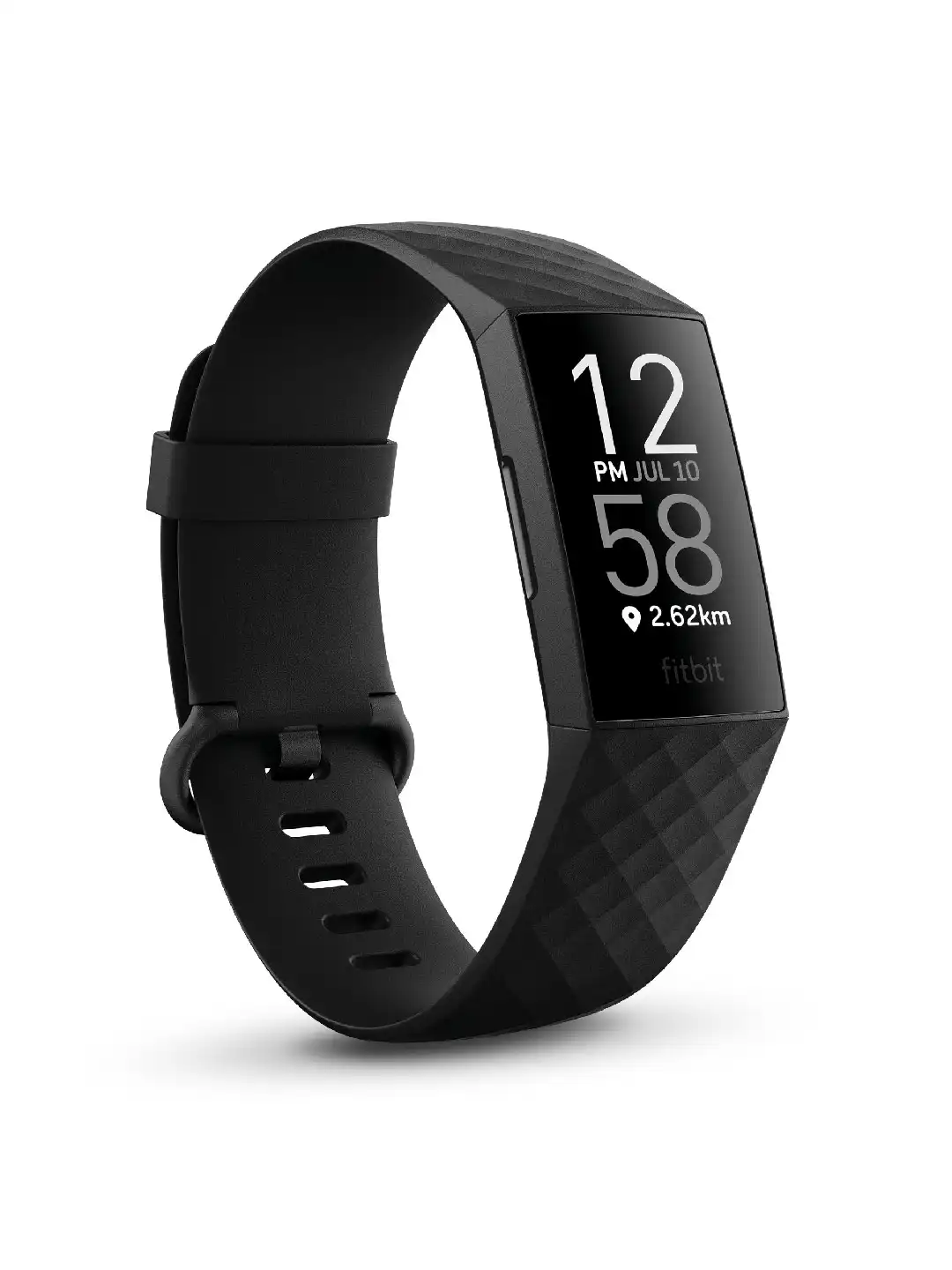
The Fitbit Air stands out as the brand's smallest wearable to date. By removing the display entirely, Google has engineered a device that looks more like a sleek wristband than a piece of high-tech hardware. This screenless design philosophy is intended to address screen fatigue, a growing concern among modern consumers who want to track their physical metrics without being tethered to another digital display. The device relies entirely on advanced internal sensors to gather data, which is then seamlessly synced with the companion Fitbit application on Android and iOS smartphones.
In terms of functionality, the Fitbit Air does not compromise on core health monitoring. It comes equipped with an array of sensors capable of tracking heart rate, skin temperature variations, sleep quality, and daily physical activities. By monitoring heart rate variability and sleep cycles, the device provides users with comprehensive daily readiness scores and sleep quality breakdowns within the app. Furthermore, without a power-hungry display to support, the Fitbit Air boasts an exceptional battery life that is expected to outlast conventional smartwatches by several days, making it an ideal companion for uninterrupted 24/7 health tracking.
Google's decision to launch the Fitbit Air in India on October 2 highlights the growing demand in the region for versatile and affordable wellness gadgets. The Indian wearable market has seen massive growth, dominated largely by budget-friendly smartwatches with large screens. However, Google is betting on a counter-trend: a niche yet growing segment of health enthusiasts who find large screens obtrusive during workouts or sleep. By offering a screenless alternative, the company aims to capture consumers who prioritize physical comfort and deep physiological insights over on-wrist notifications and digital widgets.
In addition to tracking physical metrics, the Fitbit Air integrates tightly with Google's broader software ecosystem, offering deep insights through the Fitbit Premium subscription service. This includes personalized coaching, guided workouts, and advanced sleep profiling. The band itself is constructed from premium, hypoallergenic silicone and aluminum, ensuring durability during intense swimming sessions or outdoor runs. With water resistance up to 50 meters, the Fitbit Air is built to endure diverse environmental conditions, appealing to swimmers, runners, and everyday users alike.
Industry analysts suggest that the success of the Fitbit Air will largely depend on its pricing strategy in the competitive Indian market. If priced attractively, it could serve as an excellent entry point into the Fitbit ecosystem, or act as a secondary tracker for users who already own a traditional watch but want a discreet tracker for sleep or high-intensity sports. As October 2 approaches, tech enthusiasts and fitness communities alike are eager to see if this minimalist approach will redefine how consumers interact with personal health data.
How do you feel about this story?
Discussion
No comments yet. Be the first to share your thoughts.
Join the discussion
Sign in to share your thoughts on this story.