:max_bytes(150000):strip_icc()/whitehouse-585846756-589f288c5f9b58819c0ea85f.jpg)
BNN Summary
Recent developments highlight a series of high-profile omissions across international politics and consumer technology. Russian President Vladimir Putin plans to skip the G20 summit while attending APEC, political friction overshadowed a new White House helipad inauguration, and repairability concerns led experts to suggest skipping upcoming hardware upgrades.
In-Depth Analysis
Aseries of independent developments across international diplomacy, political infrastructure, and consumer technology have highlighted a growing trend of strategic absences and critical evaluations. From high-stakes geopolitical maneuvering on the world stage to hardware repairability assessments in the consumer electronics sector, decision-makers and consumers alike are increasingly choosing to bypass traditional milestones and established norms.
Geopolitical Realignments and Summit Attendance
On the international stage, diplomatic strategies are shifting as world leaders carefully select which global forums to attend. Reports indicate that Russian President Vladimir Putin plans to travel to Beijing to attend the Asia-Pacific Economic Cooperation (APEC) summit hosted by Chinese President Xi Jinping. However, diplomatic analysts note that Putin intends to bypass the upcoming G20 summit, a decision closely watched by Western powers, particularly in light of potential interactions involving United States leadership.
This selective participation underscores the complex web of international relations and bilateral alliances currently reshaping global diplomacy. By choosing specific multilateral platforms, leaders are signaling their foreign policy priorities and diplomatic preferences, often favoring engagements with strategic partners over broader, more contentious international gatherings where consensus has become increasingly difficult to achieve.
Domestic Infrastructure and Media Tensions
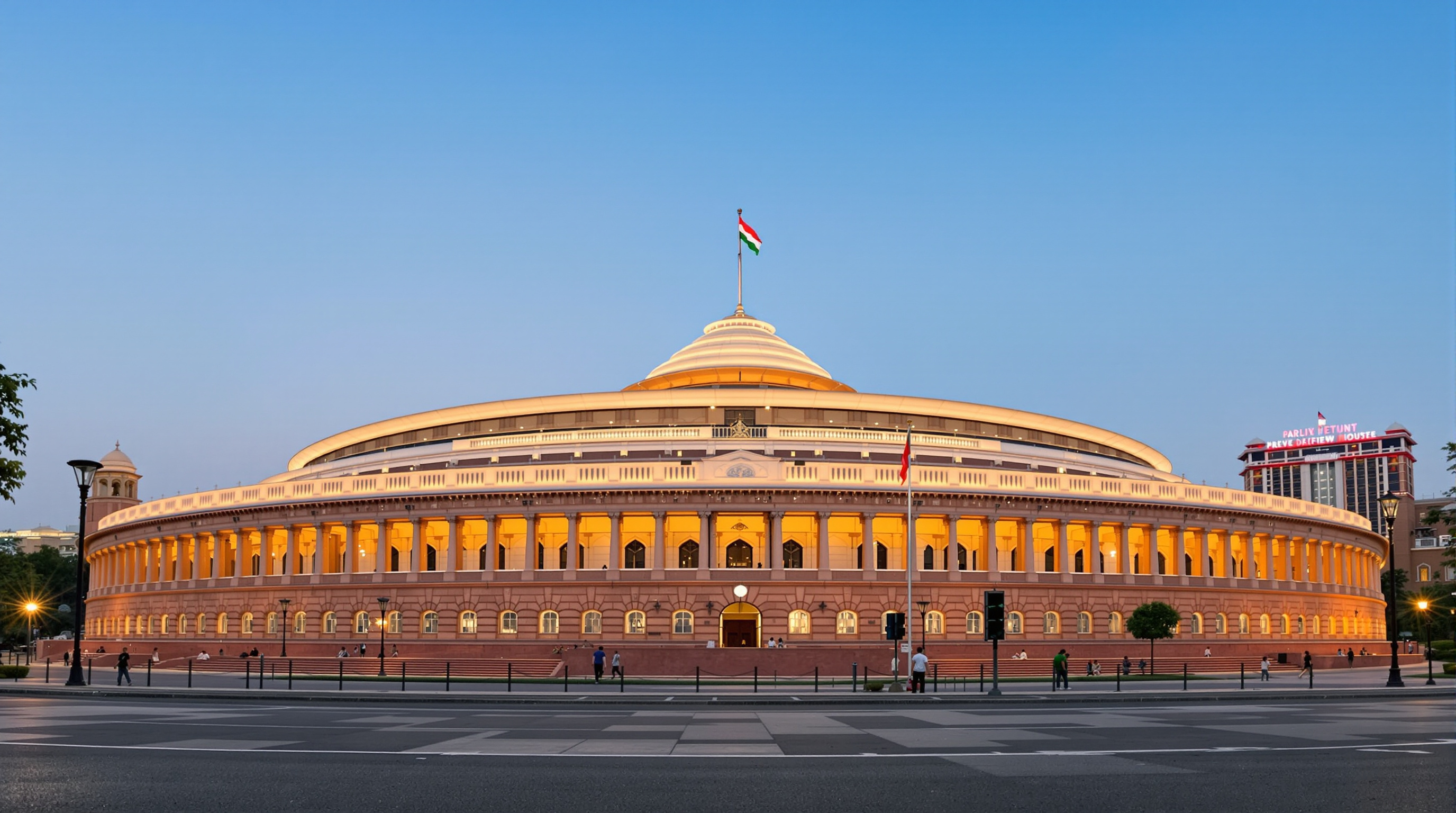
Meanwhile, in Washington, domestic politics intersected with media relations during the recent inauguration of a new White House helipad. The infrastructure update, designed to enhance presidential transport capabilities, drew significant attention not only for its engineering aspects but also for the notable absence of major news network coverage.
The lack of broadcast presence was widely attributed to an ongoing First Amendment dispute between media organizations and the administration regarding press access and reporting restrictions. Observers noted that the silent rollout of the helipad project served as a visible manifestation of the strained relationship between the executive branch and the national press corps, turning a routine administrative milestone into a notable flashpoint for press freedom debates.
Consumer Technology and Hardware Sustainability
In the realm of consumer electronics, similar themes of evaluation and hesitation are playing out among tech enthusiasts and repair advocates. Following preliminary teardown analyses and durability assessments by independent repair communities such as iFixit, experts have raised serious concerns regarding the internal architecture of upcoming flagship smartphones, specifically pointing to the rumored iPhone 18 Pro.
According to the findings, the device's optical aperture and internal component layout are increasingly integrated, rendering them virtually unrepairable by third parties or end-users. The extreme use of proprietary adhesives, soldered modular units, and software-locked components has drawn sharp criticism from right-to-repair advocates.
As repair costs escalate and device longevity diminishes due to these design choices, industry analysts report a growing consumer sentiment favoring device retention. Many tech commentators are actively advising consumers to consider skipping the next hardware upgrade cycle, arguing that incremental technological improvements do not justify the financial cost or the environmental impact associated with premature device replacement.
Conclusion
Whether through diplomatic maneuvering on the global stage, political standoffs in national capitals, or consumer resistance against planned obsolescence, the theme of strategic omission remains a dominant narrative. As stakeholders across various industries navigate these challenges, the decision to step back, bypass traditional protocols, or forgo anticipated upgrades reflects a broader recalibration of priorities in an increasingly complex world.
How do you feel about this story?
Discussion
No comments yet. Be the first to share your thoughts.
Join the discussion
Sign in to share your thoughts on this story.