BNN Summary
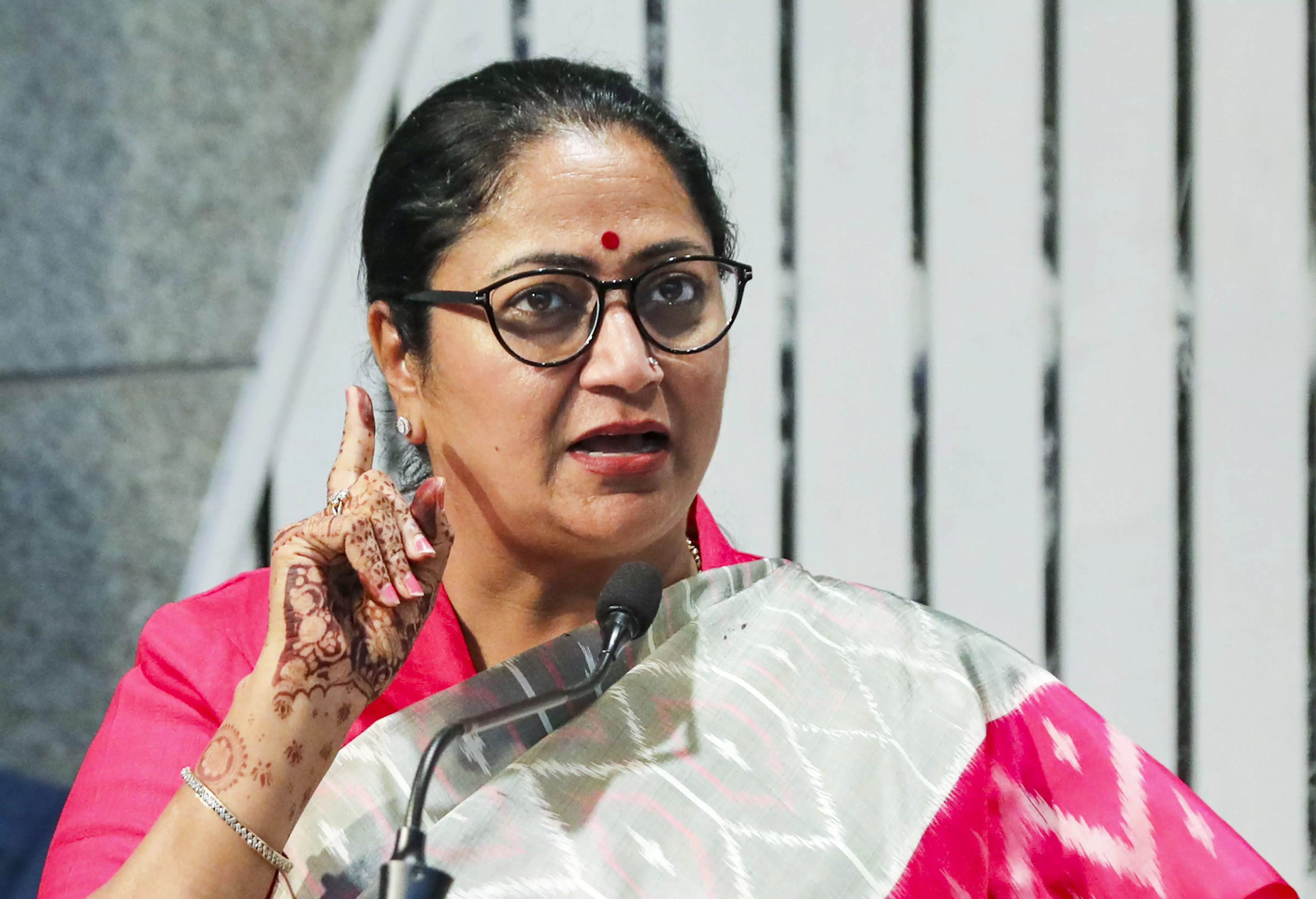
An exploration into the political journey of Rekha Gupta, tracing her roots from serving as the Delhi University Students Union president navigating on a scooter to achieving high political office, alongside reflections on her early political rivalries.
In-Depth Analysis
The political landscape of India often features fascinating trajectories of leaders who rise from grassroots student politics to occupy monumental executive positions. Among these compelling narratives is the journey of Rekha Gupta, whose early days in public life were defined by the bustling corridors of Delhi University and the humble mobility of a scooter. Long before her elevation to the role of Chief Minister of Delhi, Gupta was a prominent student leader, serving as the president of the Delhi University Students Union (DUSU).
During her tenure at the helm of DUSU, university politics in the national capital was fiercely competitive, ideological, and deeply grounded in physical campaigning. Unlike the heavily mechanized and digitalized campaigns of modern student elections, leaders of that era relied heavily on personal connections, street-level mobilization, and relentless grassroots outreach. Rekha Gupta became a familiar face across various university colleges, often recognized navigating the sprawling campus and city streets on a scooter. This unpretentious mode of transportation symbolized a connection to the common student and set the tone for a career characterized by hands-on engagement.
Every formidable political journey is defined by the adversaries and contemporaries who shape it. During her student politics days, Gupta shared the political stage with several notable figures who would later carve out significant careers in mainstream Indian politics. Among them was a prominent Congress leader who emerged as her primary rival during the intense DUSU presidential electoral battle. This rivalry was not merely a contest of personalities but represented a clash of differing political ideologies and visions for student welfare within the university.
The competitive environment of Delhi University has historically served as a rigorous training ground for national and regional politicians. For Gupta, the challenges faced during the DUSU elections provided vital administrative and leadership lessons. Managing diverse student bodies, negotiating with university authorities, and rallying support across varied academic departments honed her crisis management and public speaking skills.
Transitioning from student politics to mainstream governance is rarely a straightforward path. Many former student leaders fade into obscurity once they graduate, but those with enduring resilience and deep organizational roots manage to climb the ranks of their respective political parties. Gupta's subsequent ascent through local civic bodies and party organizations reflected a sustained commitment to public service. Her grassroots foundation laid decades ago during her scooter-riding days as DUSU president equipped her with an intimate understanding of Delhi's pulse, its residents, and its administrative complexities.
As political analysts look back at the formative years of contemporary leaders, stories like that of Rekha Gupta highlight the enduring relevance of student politics in Indian democracy. The struggles, alliances, and fierce rivalries of university elections continue to forge the backbone of the nation's political leadership, proving that early dedication to public service often paves the way for historic responsibilities later in life.
How do you feel about this story?
Discussion
No comments yet. Be the first to share your thoughts.
Join the discussion
Sign in to share your thoughts on this story.