BNN Summary
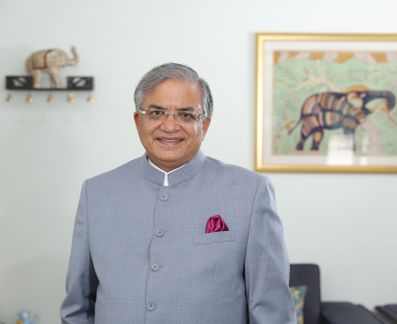
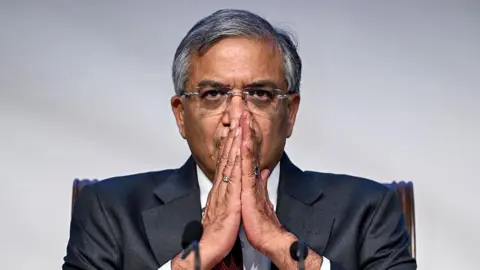
Amajor political controversy has emerged as a former Kerala Chief Secretary claimed that Gyanesh Kumar offered him a Bharatiya Janata Party ticket during the 2016 assembly elections. The allegations have drawn sharp reactions across political circles, adding to ongoing discussions surrounding the high-profile bureaucrat turned Election Commissioner.
In-Depth Analysis
Asignificant political controversy erupted recently following explosive claims made by a former Chief Secretary of Kerala regarding Election Commissioner Gyanesh Kumar. The retired bureaucrat alleged that Kumar, who was serving in a senior administrative capacity at the time, had approached him in 2016 with an offer to contest the upcoming assembly elections on a Bharatiya Janata Party (BJP) ticket. This startling revelation has immediately captured national attention, prompting widespread debate over bureaucratic neutrality, political appointments, and the intersection of civil service and electoral politics in the country.
According to the former Kerala Chief Secretary, the interaction occurred ahead of the state legislative assembly polls. At that juncture, the political landscape in Kerala was intensely competitive, with national parties making aggressive inroads into the southern state. The allegations suggest that high-ranking officials within the central governance apparatus occasionally engaged in political outreach to recruit prominent administrative figures into mainstream electoral politics. While the retired official chose to decline the purported offer, bringing the incident to light years later has injected fresh momentum into partisan debates.
Political parties across the spectrum have reacted sharply to the development. Opposition leaders seized upon the claim to question the impartiality and independence of key constitutional authorities, raising fresh concerns about the appointments of high-ranking electoral officials. Critics argue that any historical entanglement or perception of political proximity can potentially cast a shadow on the absolute neutrality required for overseeing the democratic machinery of the nation. They have demanded greater transparency and accountability regarding the background of individuals appointed to critical oversight positions.
Conversely, defenders of the electoral apparatus and supporters of the administration have dismissed the allegations as politically motivated and timed to create unnecessary friction. They emphasized that career bureaucrats routinely interact with diverse stakeholders during their long years of public service, and isolated retrospective claims made years after the fact lack substantive verification. Furthermore, supporters highlighted the impeccable professional track record of Gyanesh Kumar, pointing to his extensive administrative experience across multiple critical ministries and departments under successive governments.
Gyanesh Kumar, a retired Indian Administrative Service officer of the 1988 batch from the Kerala cadre, has held several prestigious and demanding portfolios throughout his illustrious career. Before assuming his current responsibilities as an Election Commissioner alongside Sukhbir Singh Sandhu, Kumar served in pivotal central government roles, including Secretary in the Ministry of Cooperation and the Ministry of Parliamentary Affairs. During his tenure in the home ministry, he was notably associated with handling several high-profile legislative and administrative decisions. His transition into the Election Commission of India had earlier been marked by commendations regarding his administrative acumen and ability to manage complex logistics.
The timing of these fresh allegations coincides with other ongoing controversies involving trade unions and farm organizations, which have previously voiced concerns and demanded institutional reviews regarding the top leadership of the Election Commission. Various civil society groups and labor fronts have intermittently expressed reservations on administrative policies, further fueling the complex socio-political discourse surrounding governance institutions.
As the political fallout from the former Chief Secretary's claims continues to unfold, legal experts and constitutional analysts have weighed in on the broader implications. Many have underscored that while civil servants possess fundamental rights and engage with various political figures as part of their official duties, maintaining a clear line between administrative service and partisan politics remains paramount for preserving public trust in democratic institutions. The latest episode highlights the intense scrutiny that current and former public officials face in an increasingly polarized political environment, where historical interactions are frequently re-examined through contemporary partisan lenses.
How do you feel about this story?
Discussion
No comments yet. Be the first to share your thoughts.
Join the discussion
Sign in to share your thoughts on this story.