BNN Summary
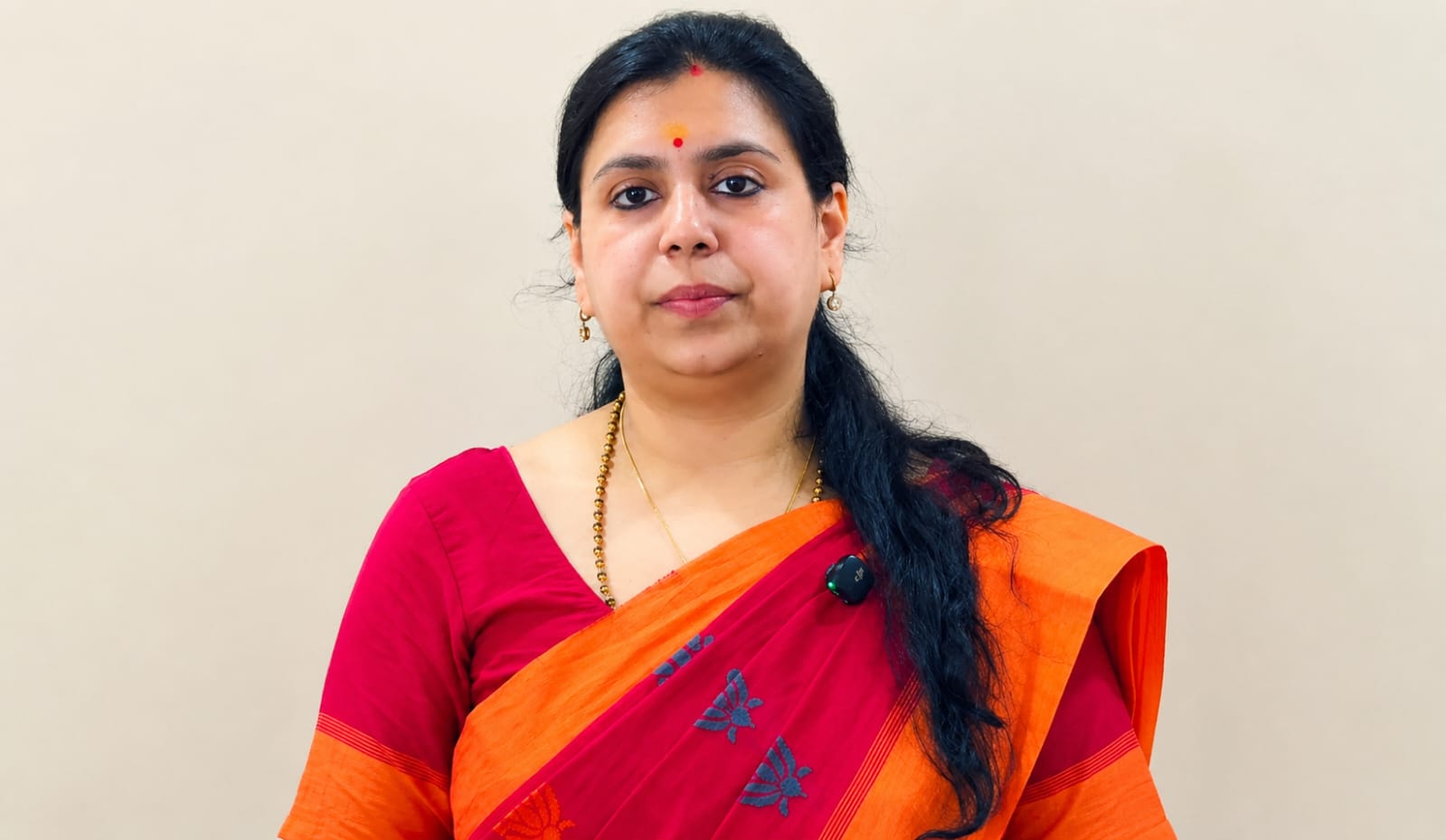
Former Uttar Pradesh cadre IAS officer Divya Mittal has officially entered politics, choosing to launch an independent path rather than joining any established political party. Declaring the state as her karmabhoomi, the bureaucrat-turned-politician aims to champion grassroots governance and public service following her controversial resignation from civil services.
In-Depth Analysis
In a development that has sent ripples through the political landscape of Uttar Pradesh, former Indian Administrative Service (IAS) officer Divya Mittal has officially transitioned into public life by entering politics. Putting an end to weeks of intense speculation regarding whether she would align herself with any of the major national or regional political outfits, Mittal has explicitly ruled out joining any established political party, choosing instead to chart an independent course.
Transition from Bureaucracy to Politics
Divya Mittal's decision to enter the political arena comes roughly a month after her controversial resignation from the civil services, a move that had already captured considerable media attention across the country. Known for her administrative acumen and high-profile postings during her tenure as an IAS officer, Mittal had cultivated a reputation as a proactive and hands-on bureaucrat. Her departure from the government machinery and subsequent entry into public service through the electoral and political domain marks a significant career pivot.
Speaking to supporters and the media, Mittal emphasized her deep-rooted connection to the region. Declaring that 'Uttar Pradesh is my karmabhoomi', she outlined her vision for public service unencumbered by traditional party lines. Analysts note that entering politics as an independent allows her to maintain an untainted stance, free from the baggage often associated with mainstream political formations, while appealing directly to voters on the strength of her administrative background.
Ending Speculation Over Party Affiliations
Ever since her resignation, political circles in Lucknow and New Delhi were abuzz with rumors regarding her potential induction into various political parties. Speculation ranged from her joining the ruling dispensation to alignment with opposition groups eager to leverage her administrative expertise and clean public image. However, by firmly shutting the door on partisan affiliations, Mittal has chosen a challenging yet autonomous path.
Political commentators observe that launching an independent political career in India is a formidable undertaking, typically requiring deep grassroots mobilization and extensive local support. Nevertheless, Mittal's background as a senior bureaucrat who has managed complex administrative machinery gives her a unique vantage point. Her campaigns are expected to focus heavily on governance reform, transparency, and efficient delivery of public welfare schemes—areas where she accumulated hands-on experience during her years in the civil service.
Future Outlook and Public Reception
The announcement has elicited mixed reactions from political watchers and the general public. While supporters view her independent entry as a refreshing break from conventional politics and a victory for merit-based public service, skeptics question the viability of mounting a successful political campaign without the backing of a well-oiled party apparatus. As Divya Mittal prepares to lay down the groundwork for her political future, all eyes will be on her constituency strategy, potential alliances with local civil society groups, and how she translates her bureaucratic experience into populist appeal across Uttar Pradesh.
How do you feel about this story?
Discussion
No comments yet. Be the first to share your thoughts.
Join the discussion
Sign in to share your thoughts on this story.