BNN Summary
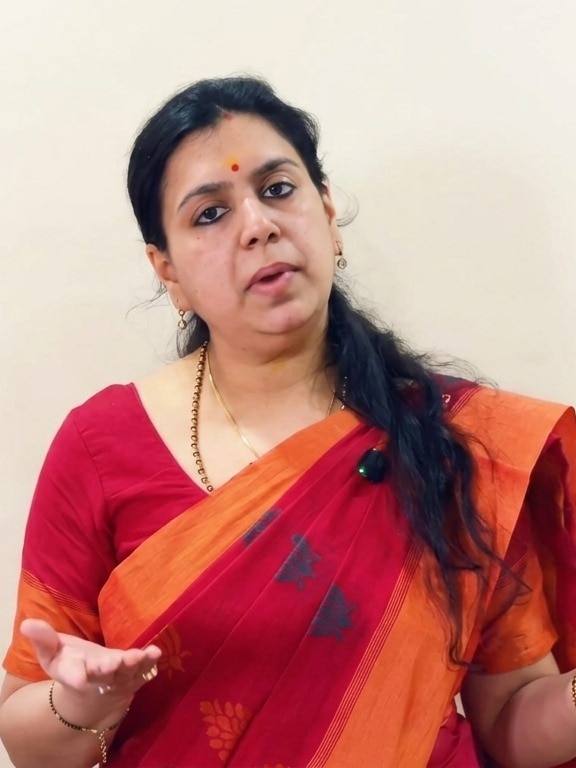
Former Indian Administrative Service officer Divya Mittal has announced her entry into politics as an independent candidate in Uttar Pradesh. Ending weeks of speculation following her controversial resignation from the bureaucracy, Mittal declared that she has no intentions of joining any existing political party, choosing instead to chart an independent path to serve the public.
In-Depth Analysis
Former Indian Administrative Service (IAS) officer Divya Mittal has officially announced her entry into the political arena, bringing an end to weeks of intense speculation regarding her future. Breaking her silence following her high-profile and controversial resignation from the civil services, Mittal declared her intention to contest elections as an independent candidate, firmly ruling out any plans to align with established political parties.
Addressing the public and the media, Mittal stated that Uttar Pradesh is her 'karmabhoomi' and that her decision to enter public service through politics stems from a deep-rooted desire to continue developmental work at the grassroots level. Her announcement has generated significant buzz within political circles across the state, as bureaucrats turning politicians often attract immense public attention, particularly when they choose a completely independent route rather than joining the ruling or opposition factions.
Mittal's resignation from the IAS had previously made headlines, triggering widespread debate regarding the growing trend of bureaucrats transitioning into public life. Throughout her administrative career, she earned a reputation as a dynamic and proactive officer, handling various challenging assignments across Uttar Pradesh. Her administrative achievements and approachable style during her tenure as district magistrate in multiple districts built a strong public rapport, which she now hopes to leverage in her electoral journey.
Political analysts are closely monitoring her independent entry, noting that cutting ties with major political platforms presents both unique challenges and distinct advantages. While contesting without the backing of a major party machinery requires substantial grassroots mobilization and financial resources, it also allows a leader to remain entirely unencumbered by party discipline and conventional political compromises. Mittal emphasized that her campaign will focus strictly on governance, transparency, and inclusive development, aiming to address the core issues faced by common citizens.
As the electoral landscape in Uttar Pradesh prepares for heated contests, the entry of a seasoned former bureaucrat introduces a fresh dynamic. Supporters have welcomed her decision, expressing confidence that her administrative acumen will translate into effective representation. Meanwhile, traditional political parties are recalibrating their local strategies to account for the potential disruption an independent candidate of her stature might cause in her chosen constituency.
Mittal has indicated that she will soon outline her detailed policy agenda and campaign roadmap, urging youth, professionals, and marginalized communities to support her mission of transformative politics. Her transition from civil servant to independent political contender marks a fascinating chapter in the intersection of bureaucracy and governance in contemporary Indian politics.
How do you feel about this story?
Discussion
No comments yet. Be the first to share your thoughts.
Join the discussion
Sign in to share your thoughts on this story.