BNN Summary
An analytical look at the United Nations reveals its role not as a governing world authority, but rather as a complex global stage for international diplomacy, debate, and sometimes frustrating diplomatic stalemates.
In-Depth Analysis
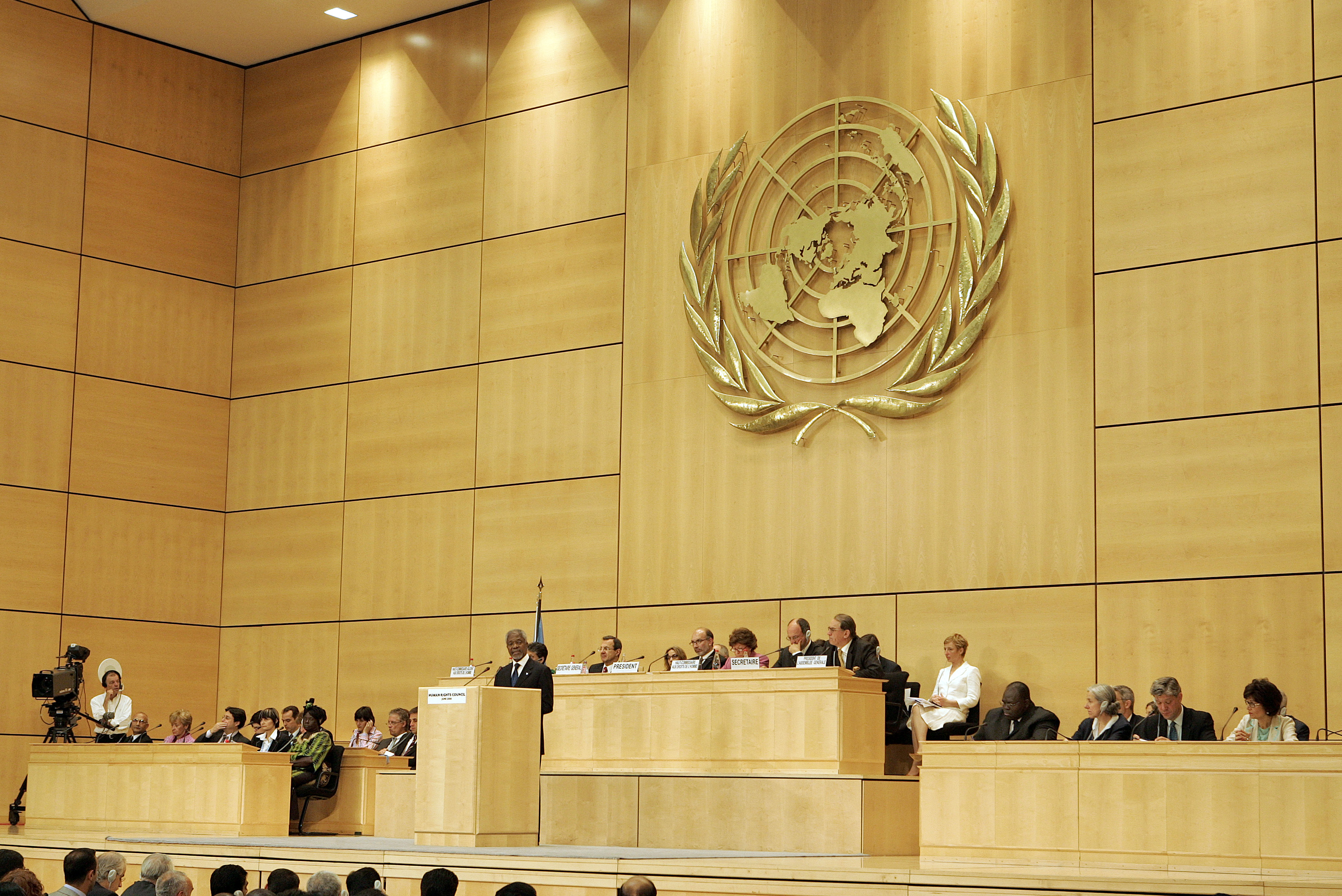
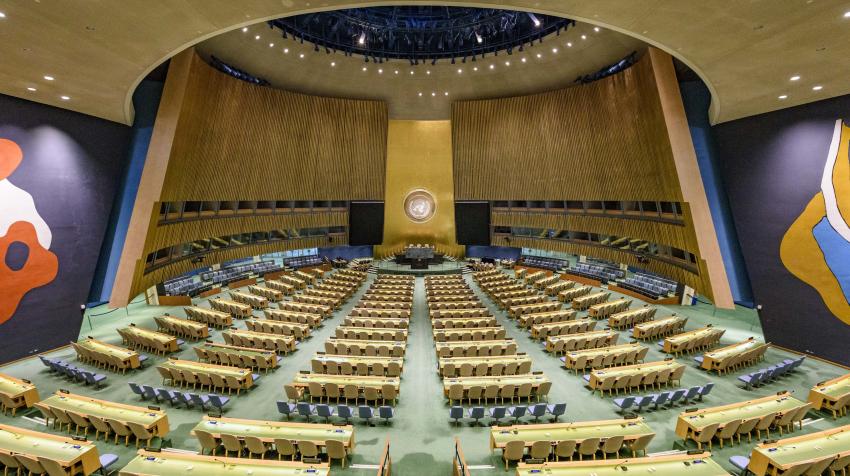
The United Nations stands as one of the most prominent international organizations in modern history, yet its true function, effectiveness, and ultimate purpose frequently spark intense global debate. Often misunderstood by the general public as a governing world authority, the institution is fundamentally a diplomatic forum—a global stage where sovereign nations meet to negotiate, argue, and attempt to forge consensus on pressing international issues.
The Illusion of World Government
A primary source of public disillusionment with the United Nations stems from the persistent misconception that the organization possesses executive power akin to a national government. When conflicts erupt, humanitarian crises deepen, or international laws are violated, critics frequently condemn the UN for failing to intervene decisively or enforce compliance. However, the UN Charter explicitly preserves the sovereignty of its member states. The organization lacks a standing military force of its own, relying instead on voluntary contributions of troops and resources from member nations. Consequently, the UN cannot compel powerful sovereign states to alter their strategic trajectories when national interests clash with international directives.
A Vital Global Stage for Diplomacy
Despite its structural limitations and numerous high-profile failures, dismissing the United Nations as entirely useless overlooks its critical day-to-day functions. The institution provides an indispensable permanent venue for multilateral diplomacy. In an era marked by rising geopolitical tensions, having a neutral physical space where adversaries can maintain diplomatic channels remains invaluable. Beyond high-stakes Security Council showdowns, the UN system encompasses a vast array of specialized agencies and programs dedicated to global health, refugee protection, environmental monitoring, and economic development. Organizations like the World Health Organization, UNICEF, and the UN High Commissioner for Refugees deliver essential humanitarian aid and coordinate global responses to transnational crises that individual nations cannot tackle alone.
Structural Gridlock and Reform Challenges
The architecture of the United Nations, particularly the composition and veto power of the UN Security Council, reflects the geopolitical realities of the post-World War II era rather than the multipolar distribution of power in the twenty-first century. This structural rigidity often leads to severe institutional gridlock. When permanent members of the Security Council hold opposing strategic interests, passing binding resolutions on critical security matters becomes nearly impossible. Calls for comprehensive reform—ranging from expanding permanent Council membership to curtailing or eliminating the veto power—have persisted for decades. Yet, any meaningful structural reform requires consensus among the very powers that benefit most from the current arrangement, creating a difficult paradox that continuously frustrates reformers.
Conclusion: Assessing Utility Beyond Perfection
Ultimately, evaluating the United Nations requires moving past the binary narrative of utopian success or total failure. It is neither a world government capable of unilaterally enforcing global peace nor a redundant talking shop devoid of practical impact. As a complex global stage, its successes and failures are ultimately a reflection of the political will and cooperation of its member states. By managing expectations and recognizing its true nature as a forum for ongoing negotiation rather than a supreme enforcement authority, the international community can better utilize its strengths while continuing to push for necessary institutional evolution.
How do you feel about this story?
Discussion
No comments yet. Be the first to share your thoughts.
Join the discussion
Sign in to share your thoughts on this story.