BNN Summary
Small states across the international arena increasingly rely on diplomacy as an essential instrument to secure justice, protect sovereignty, and amplify their voices in global governance forums. By leveraging multilateral institutions, building strategic alliances, and adhering strictly to international law, these nations navigate complex geopolitical landscapes and counter power imbalances.
In-Depth Analysis
In the contemporary global order, international relations are frequently dominated by major powers possessing vast economic and military resources. However, small states are proving that national might is not the sole determinant of global influence. Through astute diplomacy, strategic positioning, and adherence to international legal frameworks, small nations are carving out vital spaces to advocate for justice, secure equitable resource distribution, and protect their sovereign rights.
The Strategic Value of Multilateralism
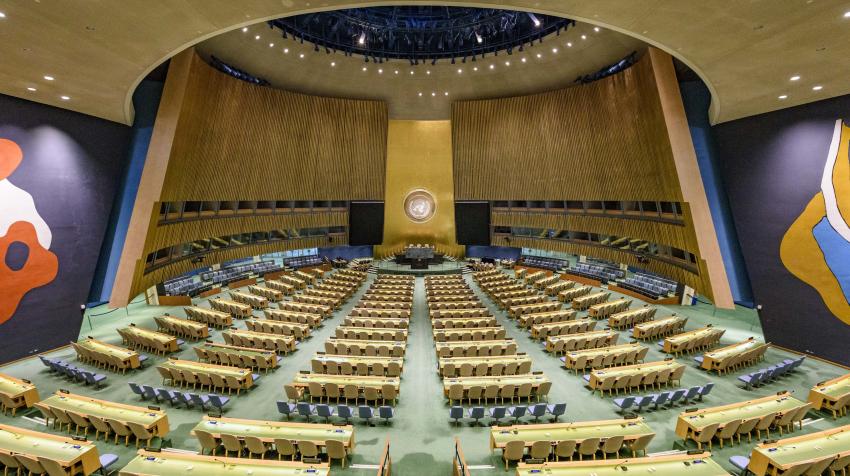
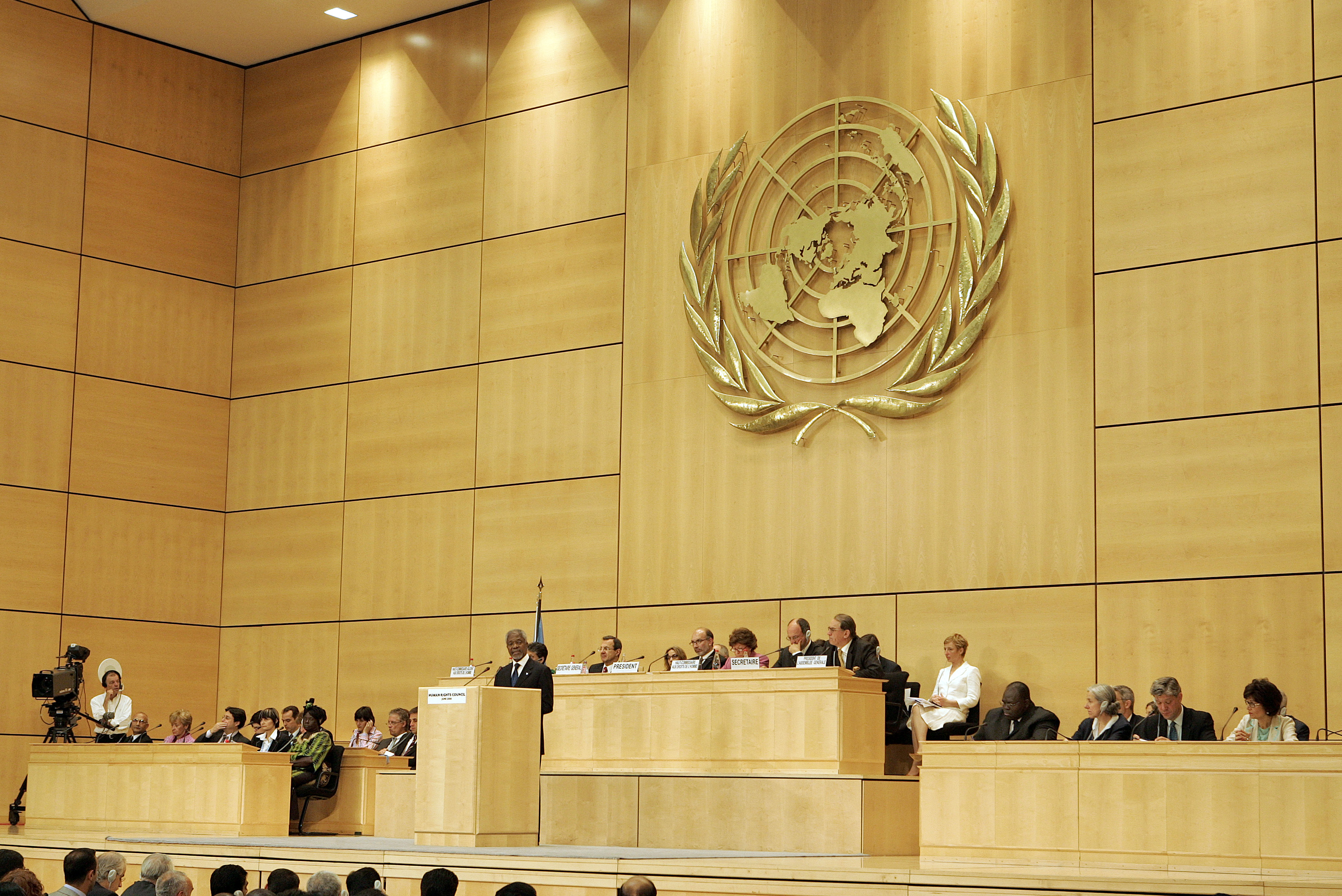
For smaller nations, unilateral action on the global stage is rarely effective. Consequently, multilateral platforms—ranging from the United Nations General Assembly to specialized international tribunals—serve as the primary equalizer. Within these frameworks, the principle of sovereign equality empowers small states to participate in rulemaking and policy formulation on an equal footing with superpowers.
By forming coalitions of shared interests, such as the Alliance of Small Island States or regional blocs, these countries aggregate their diplomatic weight. These coalitions allow small nations to command attention on existential global challenges, most notably climate change, sustainable development, and maritime security. Through collective bargaining, they can shape international treaties and compel larger economies to acknowledge environmental and economic vulnerabilities.
International Law as a Shield and Sword
Diplomacy for small states is inextricably linked to the rule of law. While major powers may occasionally rely on hard power projection, smaller countries depend heavily on the codification and enforcement of international norms. Mechanisms such as the International Court of Justice and the International Tribunal for the Law of the Sea provide essential venues for peaceful dispute resolution.
When territorial disputes or economic rights violations arise, diplomatic engagement paired with legal advocacy ensures that might does not automatically make right. Landmark cases brought forward by small nations have historically shaped international maritime law and environmental jurisprudence, demonstrating that judicial recourse is a powerful component of modern statecraft.
Soft Power and Specialized Diplomacy
Beyond traditional political negotiation, small states often invest heavily in soft power assets. Cultural diplomacy, environmental leadership, and transparency in governance enhance international reputation and goodwill. Furthermore, specialized diplomacy—focusing on niche areas such as digital governance, cybersecurity, or peace mediation—allows smaller nations to position themselves as indispensable neutral brokers in regional and global conflicts.
Nations that maintain a consistent foreign policy anchored in neutrality and mediation often earn the trust of conflicting parties, facilitating peace talks that larger, partisan powers cannot host. This diplomatic niche not only elevates their international standing but also deters potential aggression by integrating the small state deeply into the fabric of regional stability.
Challenges and the Path Forward
Despite these strategic advantages, small states face persistent hurdles. Resource constraints often limit the size of diplomatic corps, making it difficult to maintain robust representation across all international capitals and bodies. Additionally, financial dependencies can expose developing small states to diplomatic coercion from major donor nations.
To overcome these vulnerabilities, the future of small-state diplomacy lies in digital innovation, regional cooperation, and capacity-building initiatives. By training specialized diplomats and utilizing virtual diplomatic engagement, small nations can maximize their outreach while minimizing operational costs.
Ultimately, diplomacy remains the ultimate equalizer in international affairs. By prioritizing multilateral collaboration, ethical foreign policy, and unwavering commitment to international justice, small states continue to demonstrate that peaceful dialogue and strategic alliances are formidable instruments for global equity and security.
How do you feel about this story?
Discussion
No comments yet. Be the first to share your thoughts.
Join the discussion
Sign in to share your thoughts on this story.