BNN Summary
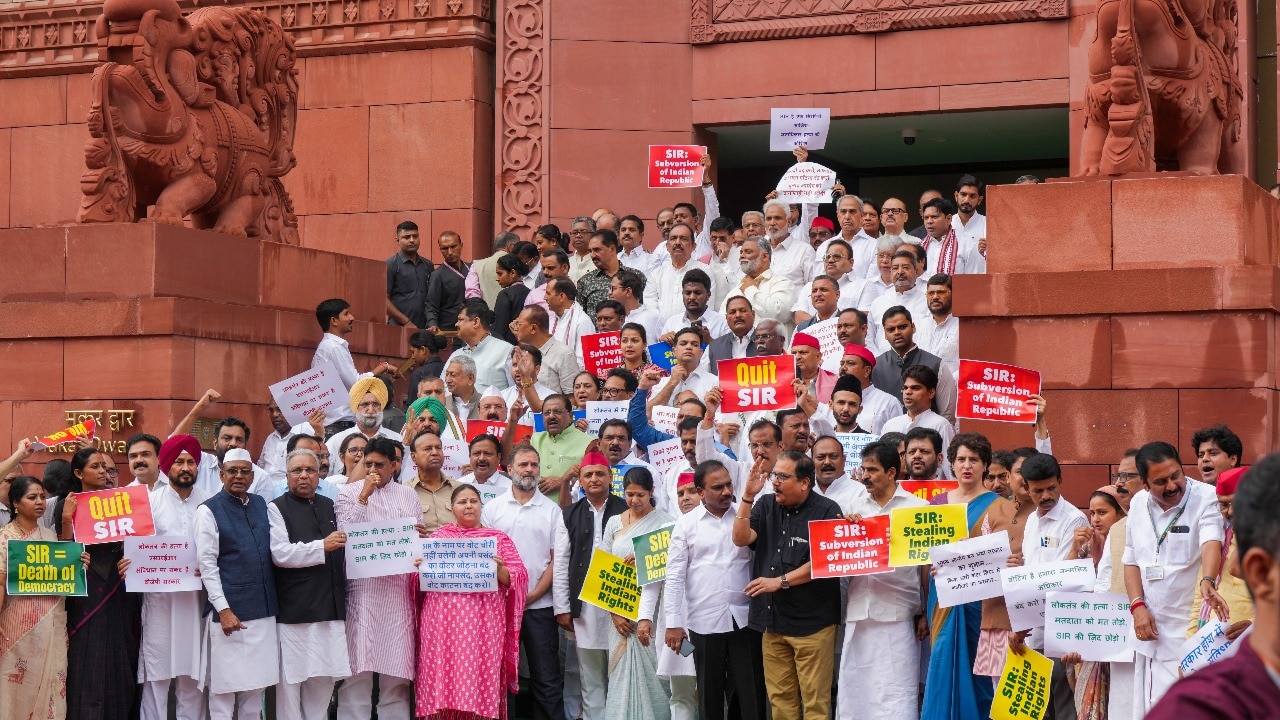
The Election Commission of India has announced the schedule for a special summary revision of electoral rolls across seventeen states and union territories, beginning on November 2. This administrative exercise is designed to update and purify voter registries, ensuring that eligible citizens are properly enrolled and any discrepancies, such as duplicate entries or outdated demographic details, are systematically addressed ahead of upcoming electoral engagements in the participating regions.
In-Depth Analysis
The Election Commission of India has officially announced the commencement schedule for a comprehensive special summary revision of electoral rolls, spanning seventeen states and union territories across the country, with the process set to kick off on November 2. This crucial administrative undertaking is aimed at maintaining the integrity, accuracy, and completeness of the voters list, ensuring that every eligible citizen possesses the opportunity to exercise their democratic right to vote without facing administrative hurdles.
Scope and Objectives of the Revision
The special summary revision covers a diverse group of seventeen states and union territories, including Punjab, where electoral machinery will be mobilized to meticulously verify existing voter data. The primary objective is to update the electoral rolls by incorporating newly eligible voters who have attained or will attain the qualifying age of eighteen years, while simultaneously removing the names of deceased electors, permanent migrants, and duplicate entries.
Election officials across the participating regions have been directed to conduct door-to-door surveys, set up special camps at polling stations, and engage with local communities to raise awareness about the revision process. Citizens will have ample opportunity to file claims and objections regarding entries in the draft electoral rolls, which will be published at the beginning of the exercise.
Key Timelines and Procedures
According to the timeline released by the Election Commission, the draft publication of the electoral rolls will be made available on November 2, marking the formal launch of the filing period for claims and objections. Voters, political parties, and civil society organizations can inspect the rolls at designated polling locations and online portals to verify details such as names, ages, addresses, and assembly constituency numbers.
During the designated period following the draft publication, individuals can submit Form 6 for new registrations, Form 7 for objecting to any inclusion or seeking deletion of a name, and Form 8 for making corrections to existing entries. Booth Level Officers will be deployed extensively to assist citizens in filling out these forms correctly and gathering the necessary supporting documents, such as identity proofs and residence verification.
Ensuring Electoral Transparency
The Election Commission has emphasized transparency and inclusivity throughout the special summary revision process. Special emphasis is being placed on enrolling marginalized sections of society, including women, young voters, persons with disabilities, and remote populations. District election officers have been instructed to organize special awareness campaigns in educational institutions to encourage first-time voters to register actively.
Political parties have also been urged to appoint booth-level agents to collaborate with election authorities, ensuring that the verification process remains rigorous and reflective of ground realities. Once all claims and objections are resolved and duly processed by the electoral registration officers, the final publication of the updated electoral rolls will take place, ensuring a pristine and reliable database for future democratic exercises.
How do you feel about this story?
Discussion
No comments yet. Be the first to share your thoughts.
Join the discussion
Sign in to share your thoughts on this story.