BNN Summary
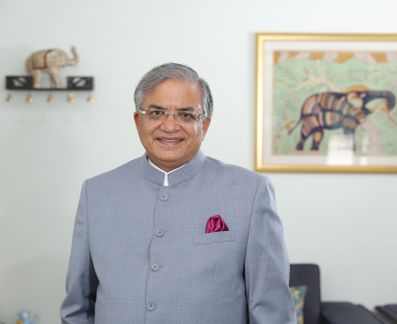
The Biju Janata Dal has renewed its calls for the resignation of Chief Election Commissioner Gyanesh Kumar, pointing to severe controversies surrounding the Special Intensive Revision of electoral rolls in Odisha. Political analysts and leaders continue to question the transparency and autonomy of the Election Commission under his tenure, sparking intense nationwide debates on institutional accountability.
In-Depth Analysis
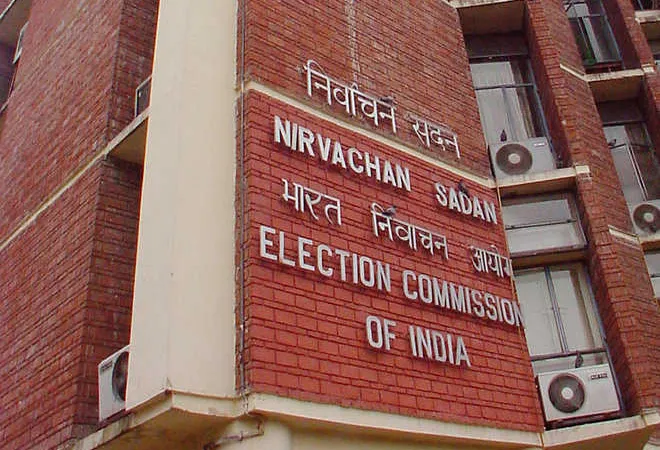
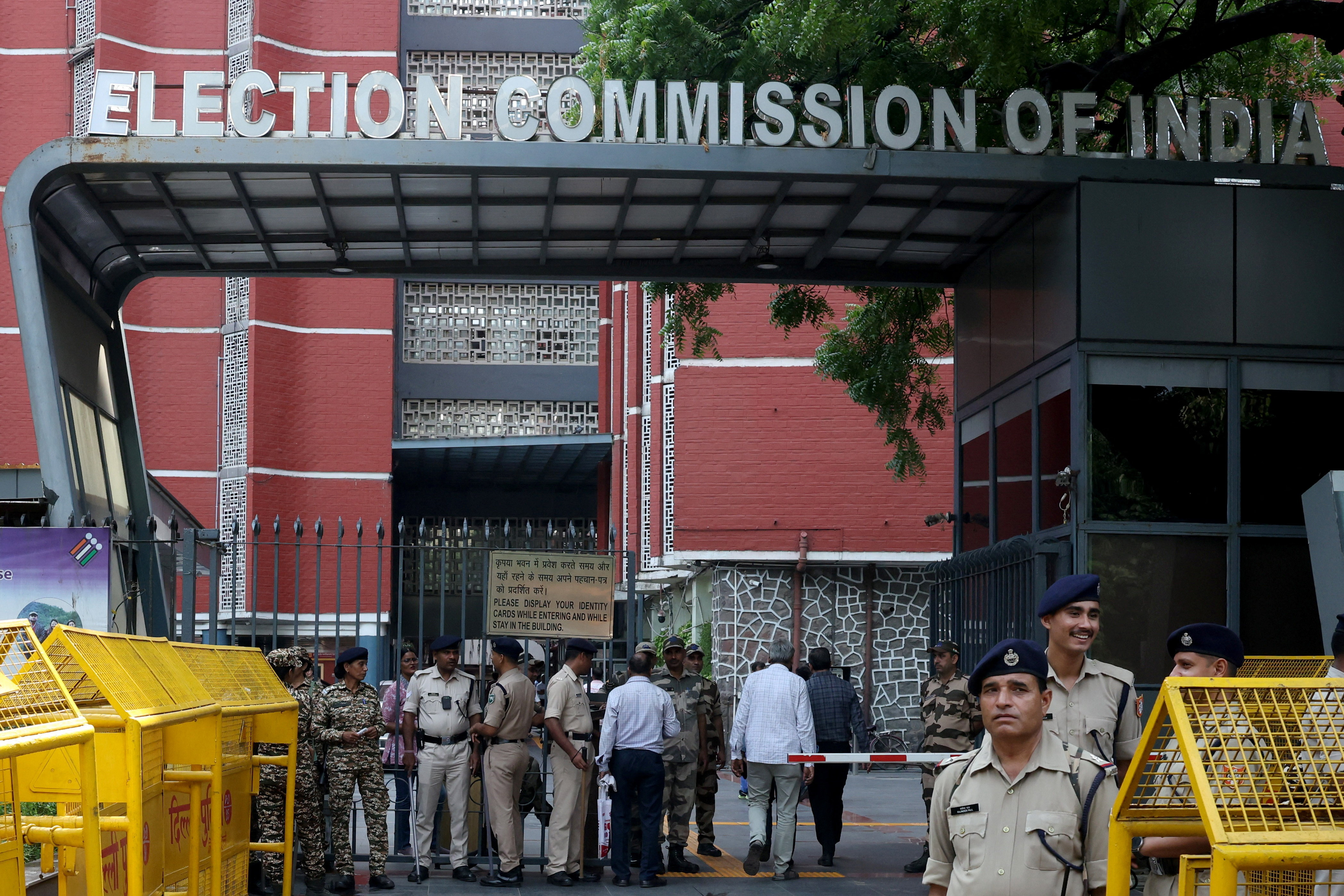
The political landscape in India has witnessed a fresh wave of controversy as the Biju Janata Dal (BJD) renewed its insistent calls for the resignation of Chief Election Commissioner Gyanesh Kumar. This escalation follows deeply contentious issues surrounding the Special Intensive Revision (SIR) of electoral rolls in the eastern state of Odisha. Regional parties and political commentators alike have expressed mounting frustration over administrative decisions made by the poll panel, raising fundamental questions about the neutrality, transparency, and operational autonomy of India's premier electoral watchdog.
The Catalyst: Electoral Roll Revisions in Odisha
The immediate trigger for the BJD's aggressive stance stems from alleged anomalies, omissions, and procedural lapses observed during the recent Special Intensive Revision of voter lists in Odisha. Party leaders argue that the massive exercise disenfranchised numerous genuine voters, disproportionately affecting specific constituencies. The regional outfit claims that despite multiple representations submitted to the Election Commission of India (ECI), systemic grievances went unaddressed, prompting a direct loss of faith in the leadership of Chief Election Commissioner Gyanesh Kumar.
Critics from various political spectrums have echoed similar sentiments, suggesting that the timing and execution of the revision process lacked adequate consultation with local stakeholders. The BJD leadership maintains that an institution as vital as the ECI must operate with absolute impartiality, free from any perception of executive influence or administrative oversight failures.
Broader Political Backlash and Expert Critique
The outcry is not confined to Odisha alone. Prominent political commentators, analysts, and opposition figures have begun scrutinizing recent decisions rendered by the poll body under Kumar's watch. Media figures and public intellectuals, including veteran journalist Ashutosh, have publicly questioned the rationale behind several administrative directives issued by the Election Commission, going as far as asserting that structural reforms and accountability measures are urgently required at the highest levels of the institution.
At the heart of the national debate lies a critical constitutional query: Who watches the Election Commission? As the guardian of the world's largest democracy, the ECI's credibility is paramount. When political parties and civil society organizations begin to openly question the integrity of the Chief Election Commissioner, it signals a deeper institutional crisis that threatens public trust in democratic processes.
The Question of Institutional Accountability
Legal experts and constitutional scholars point out that while the Election Commission enjoys constitutional protection, the mechanisms for holding commissioners accountable remain sparse and heavily debated. The appointment process, tenure security, and administrative oversight have all become subjects of intense legislative and public scrutiny in recent months.
Opponents of the current leadership argue that administrative decisions must be subjected to rigorous judicial and parliamentary review to ensure that the electoral machinery remains impervious to partisan pressures. Conversely, supporters of the poll panel emphasize the mammoth logistical challenges involved in managing elections and continuous roll revisions across a diverse nation of over a billion people.
Looking Ahead: The Path for the Election Commission
As the pressure mounts on Chief Election Commissioner Gyanesh Kumar, the ECI faces a formidable challenge in restoring faith among regional political entities and the broader electorate. The demand for transparency is louder than ever, and political factions have vowed to keep the pressure alive through parliamentary forums, public campaigns, and potential legal challenges.
Ultimately, the ongoing standoff serves as a stark reminder of the delicate balance required to maintain democratic integrity in India. Whether the Election Commission will take corrective administrative steps to address the grievances raised by the BJD and other critics remains to be seen, but the spotlight on its leadership will undoubtedly remain intense in the months leading up to upcoming electoral cycles.
How do you feel about this story?
Discussion
No comments yet. Be the first to share your thoughts.
Join the discussion
Sign in to share your thoughts on this story.