BNN Summary
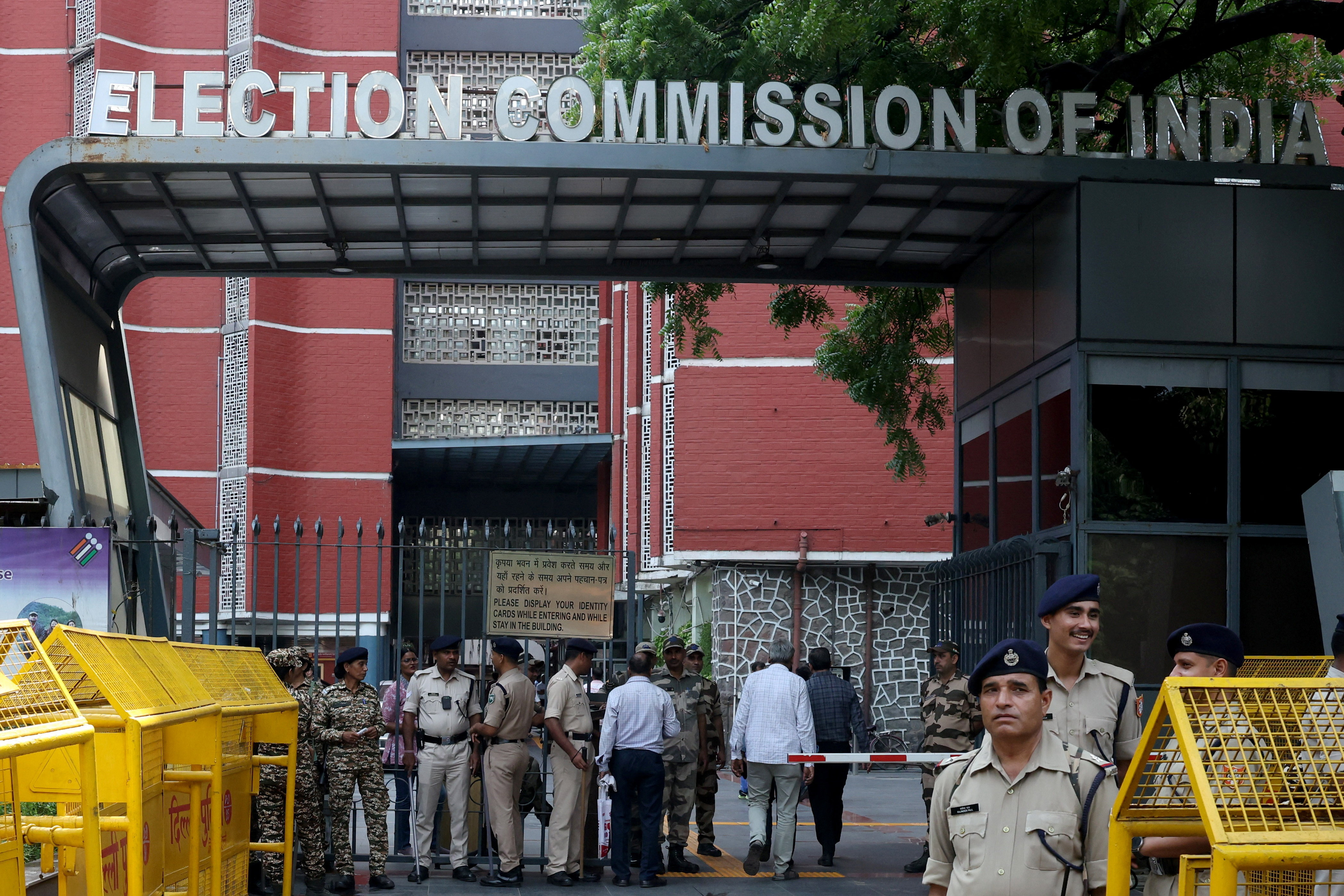
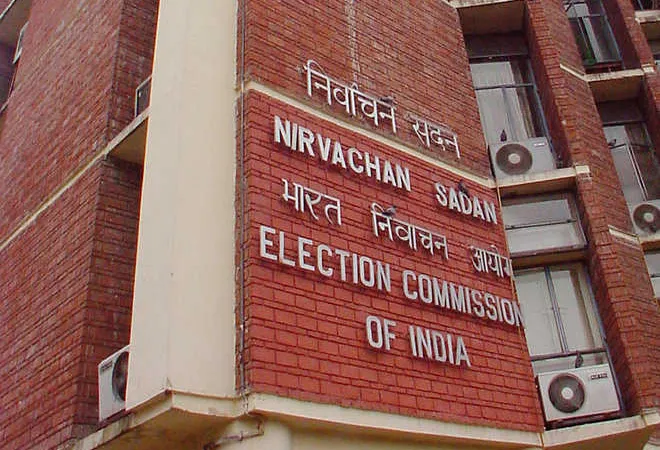
The High Court has questioned the Election Commission regarding the sudden removal of six names from the electoral rolls in Goa. The court demanded a detailed explanation of the technical or administrative glitch that caused the voter disenfranchisement, prompting concerns over the accuracy and reliability of voter databases ahead of upcoming elections.
In-Depth Analysis
The judiciary has stepped into a growing controversy surrounding electoral database management as the High Court formally questioned the Election Commission over the unexplained deletion of multiple voters from official rolls.
Judicial Scrutiny Over Voter Deletions
In a recent hearing that has drawn widespread public and political attention, the High Court directed strict queries toward election authorities regarding how six legitimate names vanished from the electoral rolls in the state of Goa. The bench pressed officials to identify the exact nature of the error, asking directly 'What is the glitch?' that allowed active voters to be dropped from the active registry without proper notification or verifiable cause.
The removal of voter names from official electoral rolls is a critical issue that touches directly upon the fundamental democratic right to vote. Legal experts and civil society groups have repeatedly emphasized that maintaining an accurate and transparent voter list is the absolute bedrock of a free and fair electoral process. When voters discover their names missing on election day, it not only disenfranchises individuals but also casts a shadow of doubt over the administrative competence of the supervising bodies.
Response From Election Authorities
Representatives of the Election Commission appeared before the court to address the grievances. While initial submissions pointed toward routine database updates and software maintenance as potential factors, the court found these explanations insufficient. The bench noted that administrative oversights of this magnitude cannot be dismissed lightly, especially given the sophisticated digital infrastructure currently employed for managing voter databases across the country.
The court has mandated that the Election Commission submit a comprehensive status report detailing the systemic workflow that led to the removal of these specific names. Furthermore, the authorities have been instructed to outline preventive measures to ensure that similar errors do not recur in future electoral cycles. This judicial intervention is expected to trigger a broader audit of voter verification procedures in the region, ensuring greater accountability among local electoral registration officers.
Broader Implications for Electoral Integrity
Incidents of voter roll discrepancies often spark intense political debates regarding administrative transparency. Opposition parties and watchdog organizations have utilized this judicial inquiry to demand greater scrutiny of the software and data entry protocols used by election offices. They argue that even a minor technical flaw can lead to the disenfranchisement of numerous citizens if left unchecked.
As the case proceeds, all eyes remain on the Election Commission's forthcoming submission to the High Court. The outcome of this legal scrutiny could set a vital precedent for how administrative errors in voter registration are investigated, corrected, and redressed in the future, reinforcing public trust in the democratic machinery.
How do you feel about this story?
Discussion
No comments yet. Be the first to share your thoughts.
Join the discussion
Sign in to share your thoughts on this story.