BNN Summary
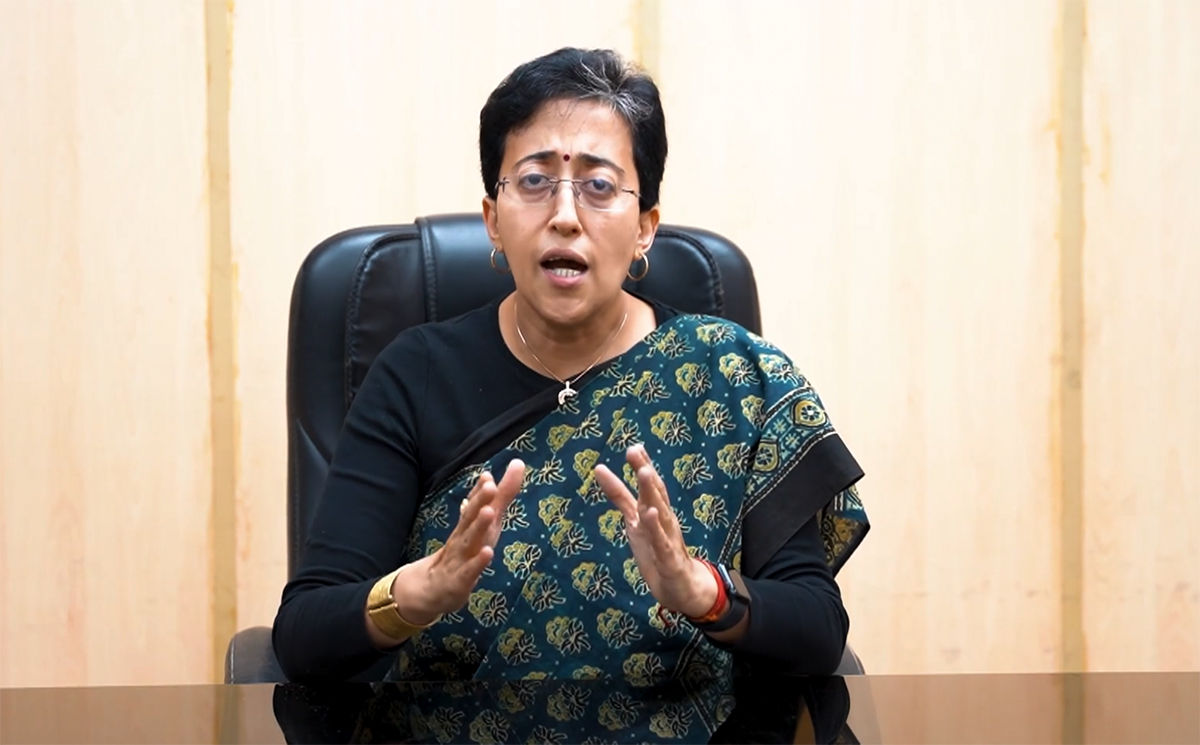
Delhi Police detained over 700 protesters, including prominent political figures like former Delhi Chief Minister Atishi and various student organization members, during a massive demonstration near Jantar Mantar. The protesters defied prohibitory orders to demand the resignation of the Chief Election Commissioner, leading to widespread disruptions across the national capital.
In-Depth Analysis
Amassive political standoff unfolded in the national capital as hundreds of demonstrators, organized under the banner of the Aam Aadmi Party alongside multiple allied student unions, took to the streets to voice their vehement opposition to the leadership of the Election Commission of India. The intense protest, which aimed to march toward the historic Jantar Mantar site, was abruptly halted by heavy security deployments and barricades erected by the Delhi Police.
Despite stringent prohibitory orders and heavy advance warnings issued by local law enforcement agencies, more than 700 individuals pressed forward, attempting to breach security perimeters. Among those detained during the aggressive police crackdown was former Delhi Chief Minister Atishi, along with several high-ranking party officials, lawmakers, and student leaders. Protesters chanted slogans demanding the immediate resignation of the Chief Election Commissioner, alleging institutional bias and demanding sweeping reforms in the electoral oversight process.
The demonstration began early in the morning as gathering crowds swelled across various key transit points in central Delhi. Activists carrying banners and placards rushed toward the designated protest zones, only to find heavy police cordons blocking access. Security personnel deployed water cannons, anti-riot gear, and barricades to contain the escalating crowd. Scuffles broke out at multiple locations as determined protesters attempted to climb over metal barricades, prompting swift police action and subsequent mass detentions.
Law enforcement officials stated that the gathering was entirely unauthorized, citing Section 144 of the Code of Criminal Procedure, which prohibits large assemblies in the area due to ongoing security sensitivities and high-profile diplomatic events in the city. Senior police officers maintained that adequate warnings were issued to the leadership before taking enforcement action. The detained protesters were swiftly loaded into waiting buses and transported away from the flashpoint to maintain public order and prevent traffic gridlock across central corridors.
The political fallout from the day's events was immediate. Senior leaders of the Aam Aadmi Party condemned the detentions, calling the police action an attack on democratic rights and freedom of expression. They asserted that citizens and political entities hold a fundamental right to peaceful assembly and dissent against constitutional functionaries when grievances arise. The student groups involved echoed these sentiments, vowing to intensify their agitation across university campuses and urban centers if their demands for institutional accountability are ignored by federal authorities.
Traffic movement through central New Delhi experienced severe delays throughout the day as key arterial roads, metro station entry points, and connecting junctions near Parliament Street and Janpath remained heavily guarded or partially closed. Commuters faced massive congestion, prompting traffic advisories from city authorities urging the public to avoid the affected zones. As the situation gradually normalized by late evening, political analysts suggested that the confrontation would likely fuel a fresh round of political friction between the ruling national establishment and regional opposition forces.
How do you feel about this story?
Discussion
No comments yet. Be the first to share your thoughts.
Join the discussion
Sign in to share your thoughts on this story.