BNN Summary
Brazil's leading presidential candidates chose to skip the final televised debate ahead of the upcoming Sunday election. The decision by the frontrunners to snub the high-profile broadcast reshapes the final days of campaigning, shifting political strategies toward direct voter contact and digital platforms as the nation prepares to head to the polls.
In-Depth Analysis
As Brazil hurtles toward a highly polarized and intensely contested general election, the political landscape was shaken by a dramatic development as the leading presidential candidates opted to skip the final high-profile television debate.
The decision by the frontrunners to snub the broadcast, which is traditionally viewed as a crucial crucible for voter engagement and cross-examination, immediately altered the strategic dynamics of the final campaign stretch. Analysts and political observers noted that frontrunning campaigns increasingly favor controlled environments, direct-to-voter digital messaging, and targeted rallies over traditional televised face-offs that carry high risks and unpredictable moments.
Television debates have historically served as defining moments in Brazilian electoral history, offering millions of citizens a side-by-side comparison of competing visions, policy proposals, and leadership styles. However, modern campaign strategies have evolved significantly. Candidates leading in the polls often calculate that participating in a contentious debate with trailing opponents provides little upside while offering critics ammunition for attack ads.
Instead of taking the podiums, the major campaigns redirected their energies toward mass street rallies, targeted social media broadcasts, and localized town halls. This shift highlights a broader global trend in modern politics where traditional media gatekeepers are increasingly bypassed in favor of direct communication channels with the electorate.
The absence of the primary contenders did not entirely cancel the broadcast; organizers adapted the format to allow lesser-known candidates an uninterrupted platform to present their platforms. Nonetheless, the diminished stature of the event deprived voters of the direct confrontation that typically marks the climax of a democratic campaign season.
Civil society organizations and media associations expressed disappointment over the snub, arguing that debates are a fundamental pillar of democratic accountability. They emphasized that direct questioning forces candidates to defend their past records and articulate complex policy solutions under pressure.
Meanwhile, electoral authorities urged voters to remain focused on the core issues facing the nation, including economic stability, social welfare programs, healthcare reform, and environmental protection. As the campaign silence period approaches, both leading and minor campaigns are making their final push to sway undecided voters.
Opinion polls heading into the weekend suggest a tight race, making every strategic decision in the final hours critical. With millions of ballots yet to be cast, the true impact of the debate boycott will only become clear when election results are tallied and announced.
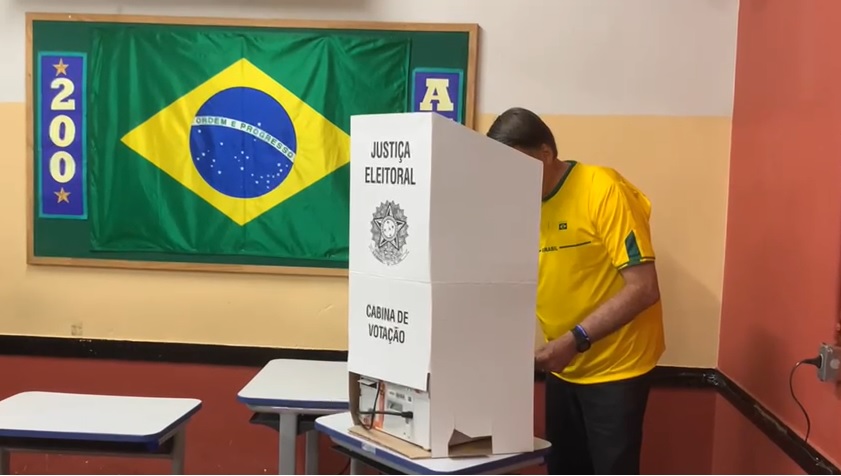
The electoral infrastructure across the vast nation is reported to be fully prepared for Sunday's vote, with electronic voting machines deployed to remote regions and security measures heightened to ensure a peaceful and orderly democratic exercise. Observers from international organizations are closely monitoring the proceedings to guarantee transparency and adherence to international standards.
How do you feel about this story?
Discussion
No comments yet. Be the first to share your thoughts.
Join the discussion
Sign in to share your thoughts on this story.