BNN Summary
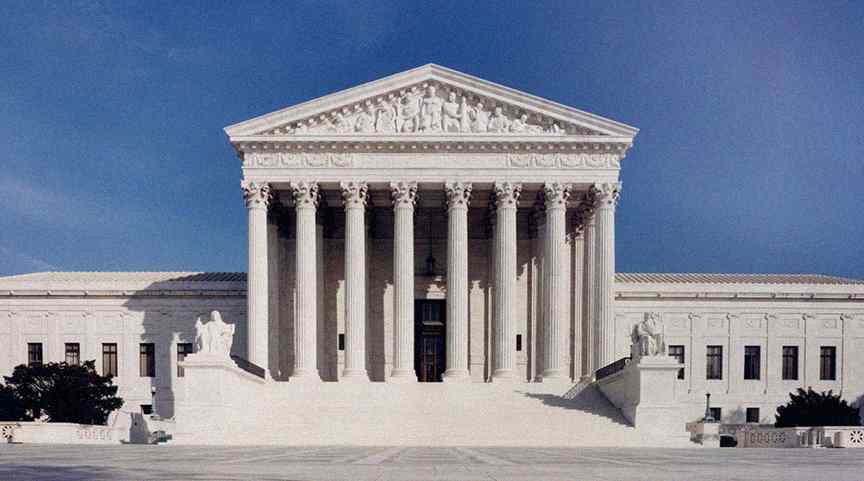
The United States Supreme Court has announced it will review a controversial mandatory detention policy implemented during the Trump administration. The high court will examine whether certain noncitizens facing deportation are entitled to bond hearings after prolonged periods of confinement while challenging their removal proceedings.
In-Depth Analysis
The United States Supreme Court has agreed to take up a major legal battle concerning immigration enforcement, announcing that it will review a controversial mandatory detention policy established during the Trump administration. The upcoming legal proceedings will center on the extent of the government's authority to hold noncitizens in custody indefinitely without providing them an individualized bond hearing during their deportation defense.
At the core of the dispute is the interpretation of federal immigration statutes governing the detention of individuals who are facing removal from the country. Under the policy in question, the Department of Homeland Security has maintained that certain categories of immigrants—including asylum seekers and individuals with past criminal convictions—must remain locked in detention facilities throughout the entirety of their immigration proceedings, which can often stretch on for many months or even years.
Lower federal courts had previously ruled against the government's strict interpretation, finding that prolonged detention without the possibility of a bond hearing violates fundamental due process rights protected under the United States Constitution. These appellate rulings mandated that immigration authorities must provide detained individuals with a hearing before an immigration judge after a specific period of confinement, allowing the judge to evaluate whether the person poses a danger to the community or a flight risk.
Human rights advocates, civil liberties organizations, and legal scholars have widely criticized the mandatory detention framework, arguing that it inflicts severe psychological and physical harm on detainees while wasting valuable government resources. Critics point out that many individuals subjected to prolonged confinement ultimately win their cases or obtain legal relief, proving that their detention was unnecessary in the first place. Furthermore, prolonged detention facilities have frequently faced scrutiny regarding substandard conditions, inadequate medical care, and restricted access to legal counsel.
Conversely, supporters of the enforcement policy argue that mandatory detention is a critical tool for maintaining national security and ensuring that individuals slated for deportation do not abscond into the general population before their cases are finalized. Government attorneys have consistently maintained that federal immigration statutes grant executive agencies broad discretion in managing detention protocols without judicial interference.
Legal analysts note that the Supreme Court's decision to grant review could have far-reaching implications for tens of thousands of immigrants currently held in facilities across the nation. A ruling in favor of the government would uphold sweeping detention powers, whereas a decision affirming the lower court rulings would establish a constitutional safeguard requiring regular reviews of custody status.
Oral arguments in the case are expected to be scheduled in the coming months, with a final decision anticipated before the conclusion of the current term. The outcome will likely redefine the balance of power between executive immigration enforcement agencies and the federal judiciary in matters concerning personal liberty and constitutional rights.
How do you feel about this story?
Discussion
No comments yet. Be the first to share your thoughts.
Join the discussion
Sign in to share your thoughts on this story.