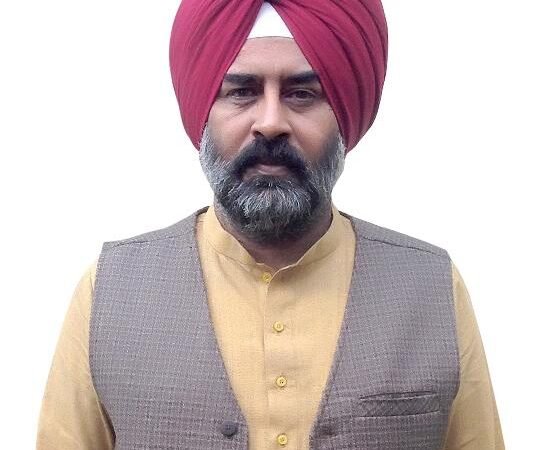
BNN Summary
An in-depth analysis of the organizational strengths and vulnerabilities of the Punjab Congress under the leadership of Pargat Singh, evaluating grassroots connection, factional dynamics, and upcoming political challenges in the state.
In-Depth Analysis
The political landscape of Punjab continues to evolve rapidly, placing political parties under intense scrutiny as they prepare for future electoral battles. Within the Punjab Congress, the leadership role of Pargat Singh has brought both renewed energy and structural challenges to the forefront. Understanding the internal dynamics, organizational capabilities, and strategic positioning of the party requires a comprehensive examination of its core strengths and persistent weaknesses.
Core Strengths of Punjab Congress
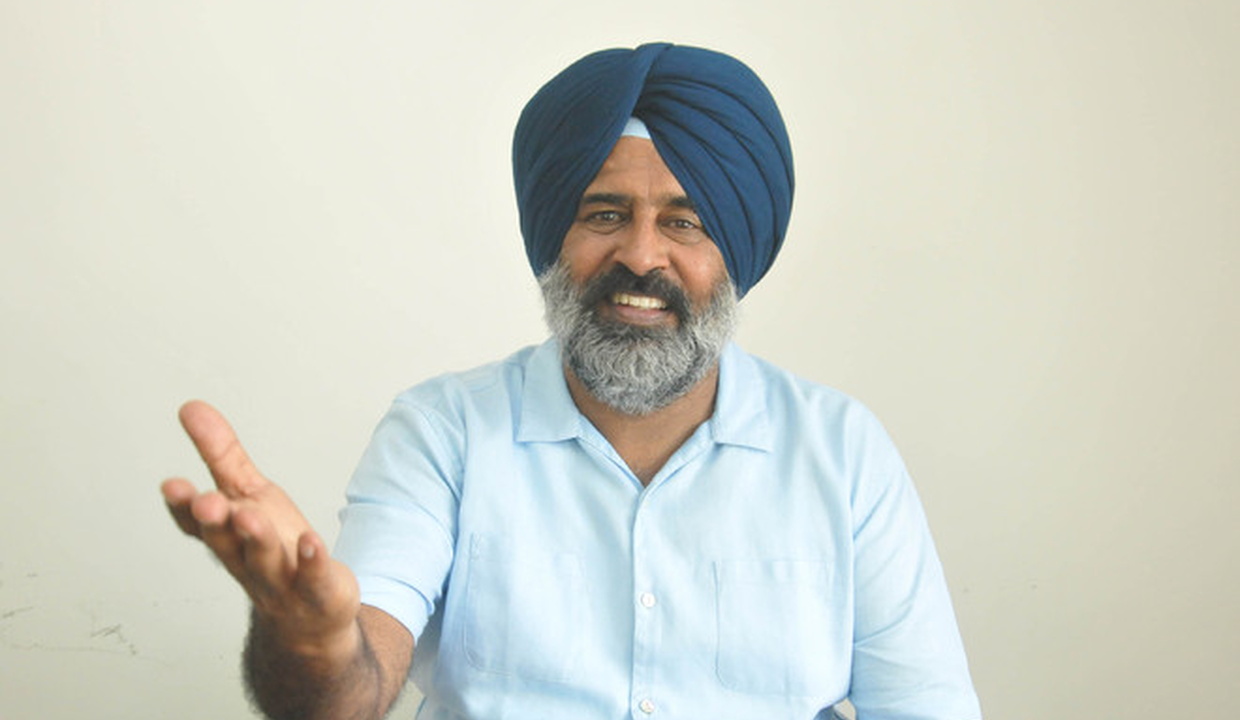
One of the most notable advantages of having Pargat Singh at the helm is his clean public image and background as a former Indian hockey captain. This legacy grants him considerable credibility among the youth and sports enthusiasts across the state. Unlike traditional career politicians, his entry into public service was marked by a distinct reputation for integrity and administrative determination.
Furthermore, the party possesses a deep-rooted organizational network that spans across rural and urban constituencies in Punjab. This grassroots infrastructure allows the leadership to connect directly with farmers, laborers, and local traders. Pargat Singh has frequently leveraged his accessibility to address regional grievances, organizing targeted campaigns that highlight local infrastructural deficits and economic concerns.
Another significant strength lies in the intellectual capital and experienced cadre within the state unit. The party features seasoned legislators and administrators who understand the nuanced socio-political fabric of Punjab, including the complex interplay between agrarian communities, urban business hubs, and religious institutions. When effectively mobilized, this collective experience forms a formidable opposition force capable of challenging rival political entities.
Persistent Weaknesses and Internal Challenges
Despite these advantages, the Punjab Congress under Pargat Singh faces critical weaknesses that could hinder its electoral prospects. Foremost among these is factionalism. Internal rivalries and competing power centers have historically plagued the state unit, often diluting the collective impact of the party's campaigns. Bridging the gap between rival factions remains a formidable hurdle for the current leadership.
Additionally, the party struggles with narrative consistency. While local issues are highlighted effectively, formulating a unified, forward-looking economic and social policy framework that resonates across all demographics has proven difficult. The resurgence of competing regional and national political forces has also fractured traditional vote banks, requiring a more aggressive and innovative outreach strategy.
Strategic Outlook for the Future
As Punjab politics grows increasingly competitive, the ability of Pargat Singh to navigate internal dissent while capitalizing on his personal credibility will determine the trajectory of the Punjab Congress. Addressing organizational bottlenecks, strengthening booth-level coordination, and presenting a cohesive vision for the state's economic development are essential steps for sustainable growth. The coming months will test the political acumen of the leadership as they strive to rebuild trust and consolidate their support base across the region.
How do you feel about this story?
Discussion
No comments yet. Be the first to share your thoughts.
Join the discussion
Sign in to share your thoughts on this story.