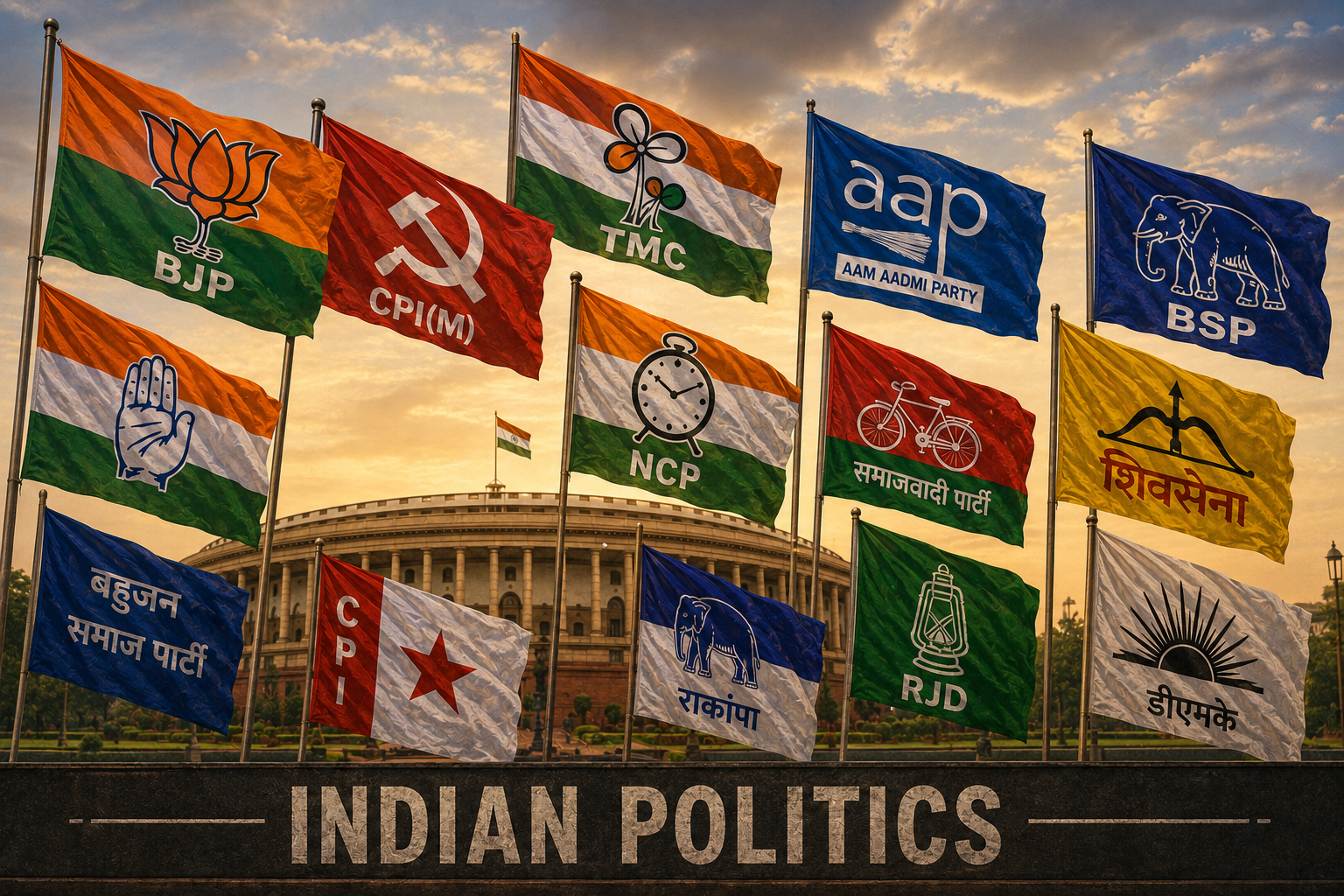
Image: Wikipedia
BNN Summary
ABharatiya Janata Party youth leader has filed a criminal contempt petition in the Punjab and Haryana High Court against Saurav Das, associated with the Centre for Public Interest, over a social media post targeting the High Court's Chief Justice regarding a judicial verdict.
In-Depth Analysis
Apolitical and legal confrontation has unfolded in the Punjab and Haryana High Court as a prominent Bharatiya Janata Party youth leader filed a formal criminal contempt petition against Saurav Das, who is associated with the Centre for Public Interest. The legal action stems from a controversial post published on the social media platform X, formerly known as Twitter, which allegedly targeted the High Court Chief Justice in connection with a recent disproportionate assets verdict.
According to the details emerging from the legal filings, the petitioner contends that the online commentary went beyond legitimate legal critique and amounted to 'scandalising the bench'. The petition argues that public posts of this nature undermine the dignity, independence, and institutional integrity of the judiciary, thereby warranting strict action under the Contempt of Courts Act. The controversial social media remarks specifically focused on a judicial pronouncement regarding a disproportionate assets case, igniting a debate on the boundaries of online speech and judicial accountability.
Legal experts note that criminal contempt proceedings are initiated to maintain public confidence in the administration of justice. When statements are made that tend to lower the authority of a court or interfere with the due course of any judicial proceeding, the court possesses the inherent constitutional jurisdiction to take cognizance. In this matter, the petitioner asserts that the statements made by Saurav Das were calculated to cast unwarranted aspersions on the integrity of the Chief Justice of the Punjab and Haryana High Court.
The development has drawn significant attention from legal practitioners, civil society organizations, and political observers alike. It highlights the growing tension between digital commentary on judicial verdicts and the stringent legal frameworks governing contempt of court in India. While free speech advocates argue for expansive room for public debate and critical analysis of judicial orders, proponents of strict contempt laws maintain that unchecked attacks on judges erode the very foundation of the rule of law.
The Punjab and Haryana High Court is expected to review the maintainability and merits of the criminal contempt petition in the coming days. The court will examine whether the expressions used in the disputed social media post cross the threshold of fair criticism and enter the realm of scandalous abuse capable of obstructing the administration of justice. As the case proceeds, it is likely to serve as a crucial test case regarding the regulation of online speech directed at high-ranking judicial authorities and individual judges.
How do you feel about this story?
Discussion
No comments yet. Be the first to share your thoughts.
Join the discussion
Sign in to share your thoughts on this story.