Image: Wikipedia
BNN Summary
Recent political developments and judicial rulings have sparked national debates regarding the administrative efficacy and political momentum of the Union government. Observers note a shifting landscape in governance, citizen engagement, and regional policy execution, particularly in sensitive regions like Jammu and Kashmir, raising questions about modern policy direction.
In-Depth Analysis
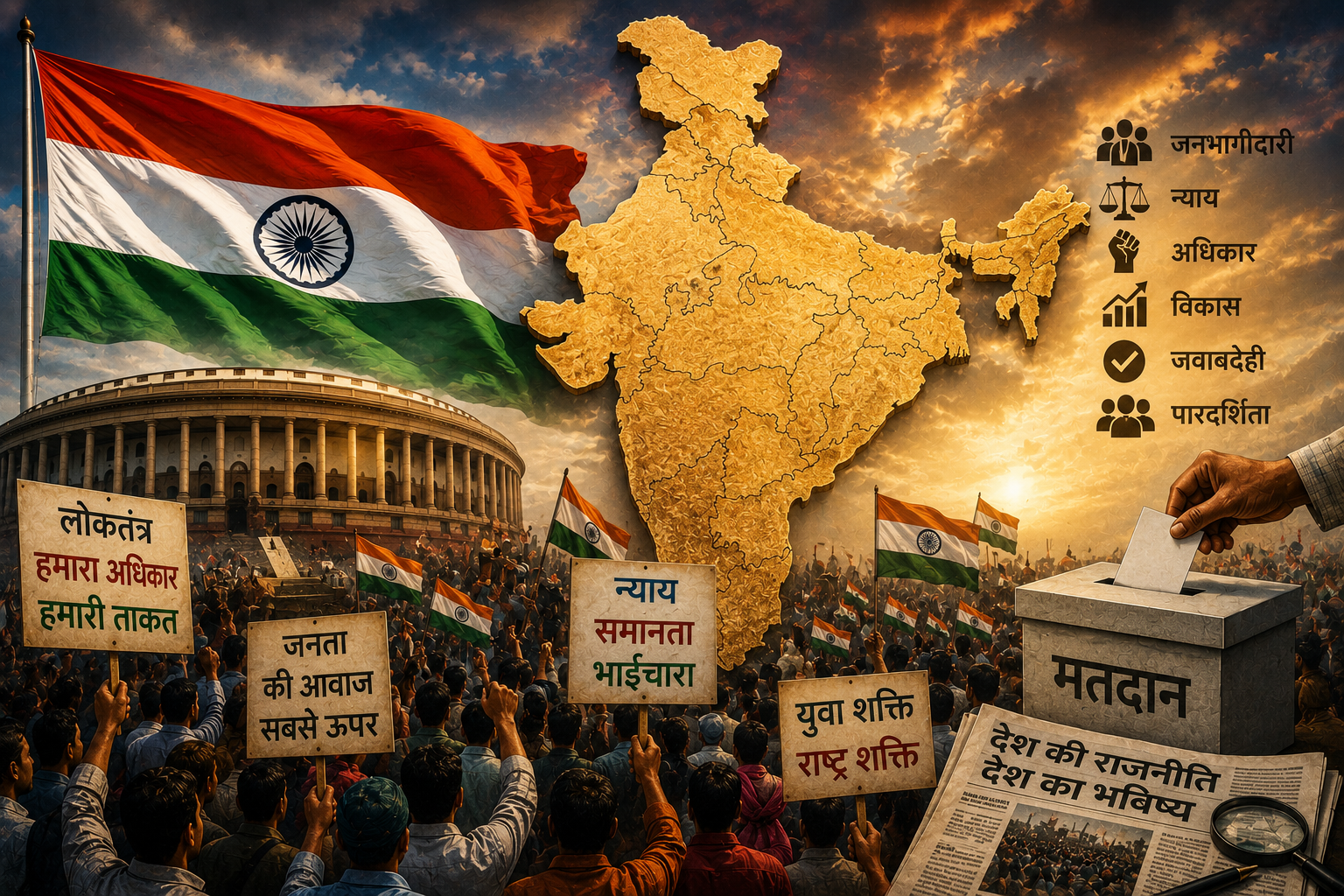
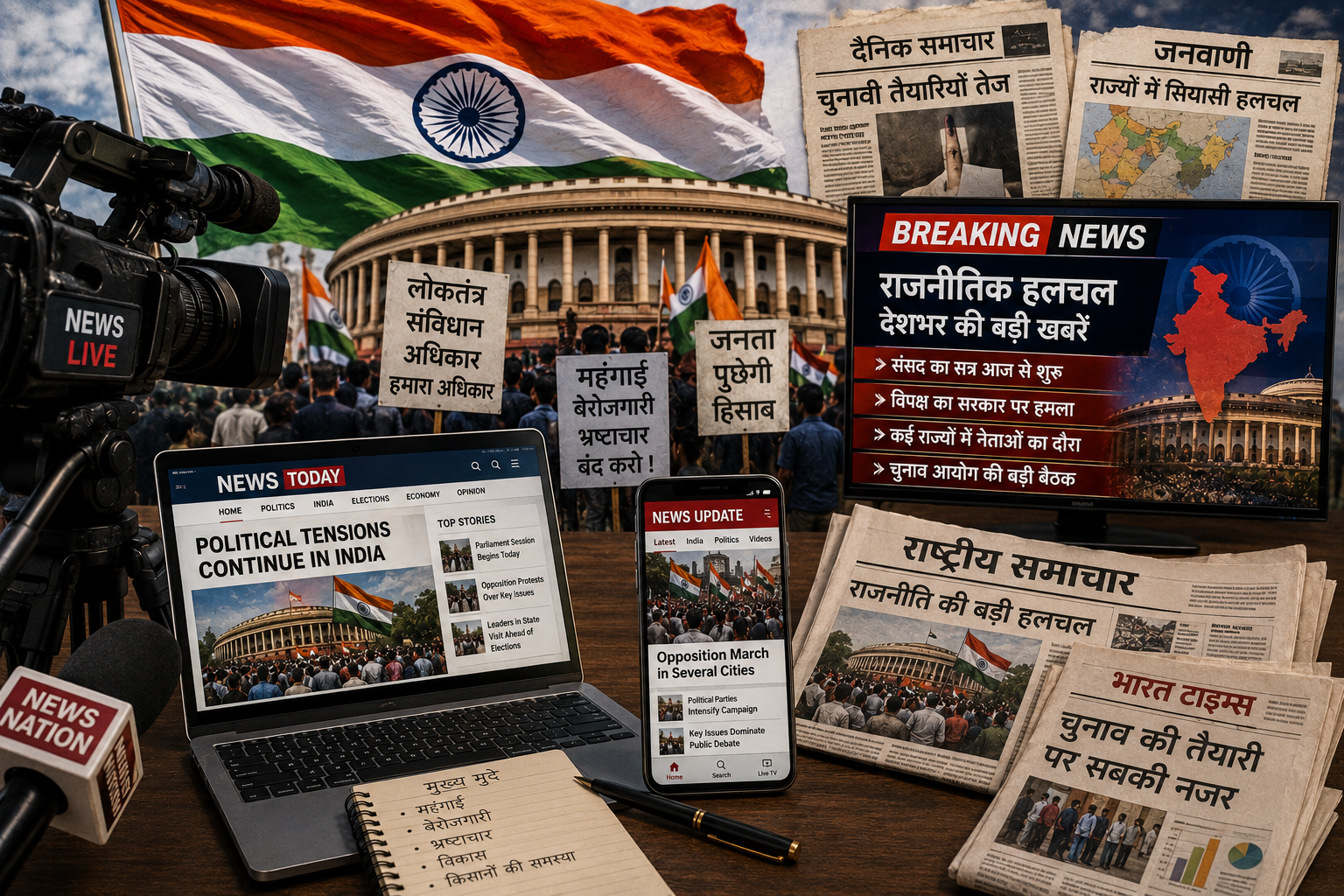
The contemporary political and administrative landscape of India is witnessing a profound phase of introspection, driven by shifting policy outcomes, critical judicial observations, and evolving regional dynamics. Political analysts, civil society members, and constitutional experts are increasingly debating whether the Union government has experienced a noticeable shift in its traditional administrative momentum, often colloquially referred to as its 'mojo'. This discourse has been fueled by a series of recent judicial pronouncements, policy rollouts, and the complex socio-political realities on the ground, especially in regions governed by unique constitutional frameworks.
Judicial Interventions and Constitutional Scrutiny
In recent months, the higher judiciary has delivered several notable and robust judgments that have directly engaged with executive actions and legislative implementations. Legal scholars point out that these judicial decisions reflect a healthy separation of powers and a willingness of the courts to examine the constitutional validity of major administrative steps. While some commentators view these rulings as a necessary check on executive overreach, others analyze them as indicators of a changing dynamic between the central administration and the judiciary. The articulation of bold viewpoints from the bench has underscored the complexity of governance in a diverse federal democracy, where central authority constantly negotiates with constitutional safeguards.
Regional Governance and the Jammu and Kashmir Context
Particular attention has been focused on regions like Jammu and Kashmir, where the transition toward new administrative structures has brought unique socio-economic and political challenges to the forefront. Critics and local observers have frequently raised concerns regarding the political integration process, economic opportunities, and the active participation of the youth in democratic frameworks. Discussions often center on whether the political systems currently in place sufficiently address local aspirations or inadvertently lead to political disenfranchisement. The exploitation of youth sentiment within regional political narratives remains a critical talking point for analysts who argue that sustainable governance requires deep-rooted grassroots engagement rather than purely top-down administrative measures.
The Debate Over Administrative Momentum
The central question of whether the ruling administration has maintained its earlier reformist zeal or slowed down is a subject of intense debate. Supporters of the government argue that large-scale infrastructure projects, digital transformation initiatives, and targeted welfare schemes continue at an unprecedented pace, demonstrating steady administrative resolve. They point to macroeconomic indicators and international standing as proof of continuous progress.
Conversely, critics contend that policy fatigue, rising unemployment concerns, and growing friction with regional entities suggest a dilution of foundational governance goals. They argue that true administrative strength is measured not just by legislative speed, but by the inclusivity of policy-making and the preservation of democratic norms.
Conclusion
As India navigates these multifaceted domestic challenges, the ongoing discourse regarding the Union government's administrative capacity remains vital. Whether viewed as a temporary lull or a structural transformation in how power is exercised, the current phase highlights the enduring resilience and complexity of Indian democracy. The interplay between judicial oversight, executive policy, and regional aspirations will undoubtedly shape the political trajectory of the nation in the years to come.
How do you feel about this story?
Discussion
No comments yet. Be the first to share your thoughts.
Join the discussion
Sign in to share your thoughts on this story.