Image: Wikimedia
BNN Summary
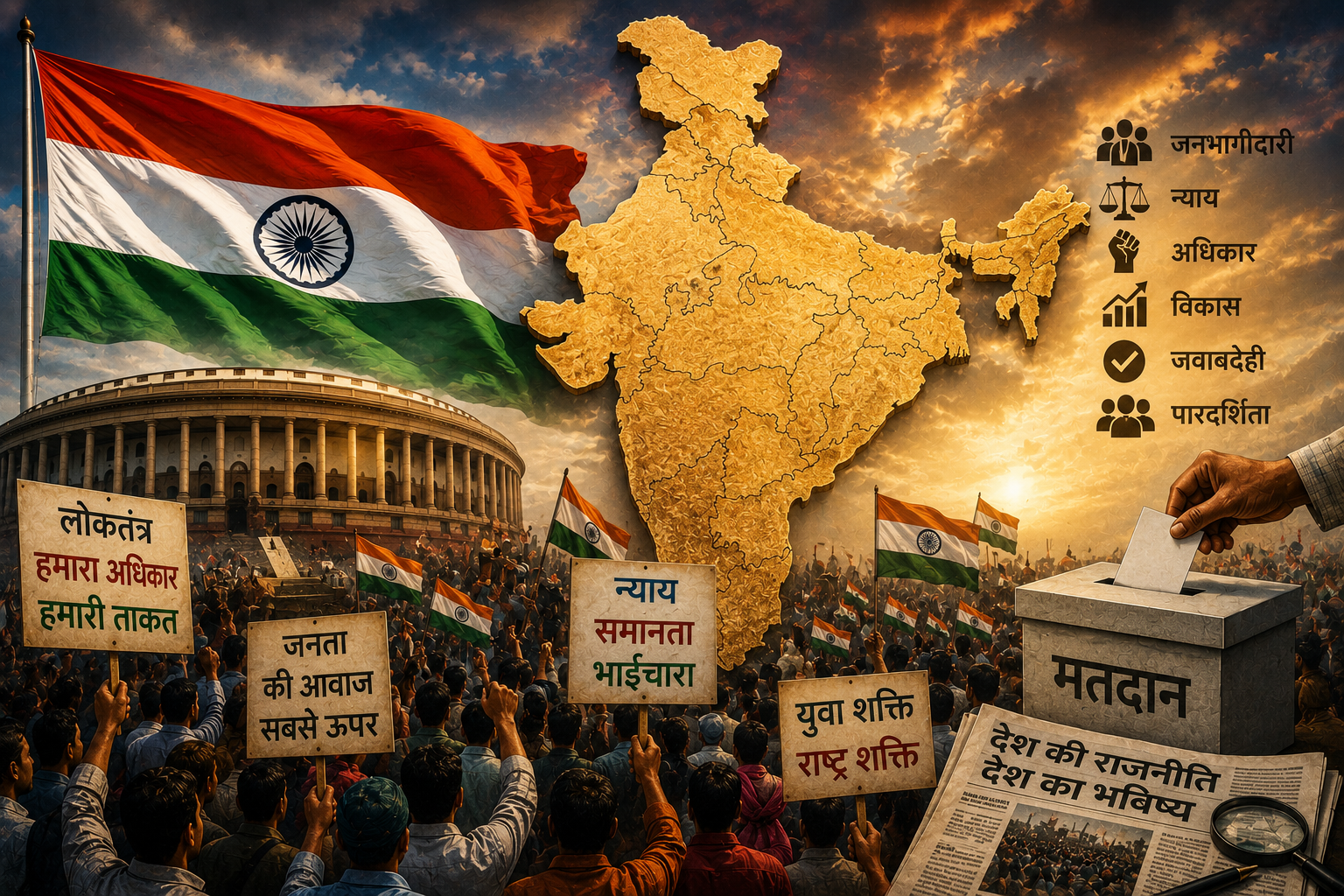
Aprominent political speaker has called upon Delhi University students to step out of the sidelines and actively engage in the political process. Emphasizing the importance of youth leadership, the address encouraged academic minds to shape the future of governance through direct involvement.
In-Depth Analysis
In a recent address directed at the vibrant student community of Delhi University, a prominent speaker issued a powerful call to action, urging young academics not to remain passive observers of the political landscape but to step forward and actively participate in the democratic process. The interaction, which drew a large crowd of enthusiastic undergraduates and postgraduates, focused heavily on the vital role that the younger generation plays in shaping the future trajectory of the nation.
The Need for Youth Leadership
The speaker emphasized that modern politics desperately requires the fresh perspectives, uncompromised idealism, and high energy that university students naturally possess. By watching from the sidelines, young intellectuals risk letting decisions that directly impact their futures be made entirely by others. True democratic vitality depends on continuous renewal through the infusion of thoughtful, educated, and passionate voices into civic and political arenas.
Breaking Stereotypes
Addressing common misconceptions about political engagement, the speaker pointed out that politics is frequently viewed with cynicism or dismissed as an undesirable career path due to negative stereotypes. However, it was stressed that public service and political stewardship are noble callings when approached with integrity and a genuine desire to serve society. Students were encouraged to look past the superficial noise of contemporary political discourse and focus on structural reform, policy formulation, and grassroots community building.
Fostering Critical Thinking
Delhi University has historically been a crucible for political activism, student movements, and intellectual debate in India. The speaker highlighted this rich legacy, reminding the audience that academic institutions have always served as the breeding grounds for national leaders, reformers, and thinkers. Universities provide a unique ecosystem where critical thinking is nurtured, making them the ideal launching pad for individuals who wish to question the status quo and introduce innovative solutions to persistent socio-economic challenges.
Practical Steps for Engagement
Active participation does not necessarily mean immediately contesting elections or joining partisan campaigns. The speaker outlined several ways students can begin their journey into civic leadership:
- Engaging in campus governance and student union activities to understand the mechanics of representation and consensus-building.
- Participating in public policy debates, Model United Nations conferences, and essay competitions focused on national development.
- Volunteering for social initiatives, literacy drives, and community outreach programs to understand ground-level realities.
- Reading widely, staying informed about legislative processes, and holding elected representatives accountable through peaceful and constructive dialogue.
Looking Ahead
As the interactive session concluded, students were left with a renewed sense of responsibility. The overarching message resonated deeply with many attendees: the future of any democracy is intrinsically tied to the caliber and commitment of its youth. By bridging the gap between academia and public life, Delhi University students were urged to take ownership of their destiny and contribute meaningfully to the democratic fabric of the nation.
How do you feel about this story?
Discussion
No comments yet. Be the first to share your thoughts.
Join the discussion
Sign in to share your thoughts on this story.