BNN Summary
Opposition leaders, including those from Congress and NCP (SP), have challenged the BJP to reconcile its treatment of student protesters with RSS Chief Mohan Bhagwat's recent public defense of Gen Z as not being anti-national.
In-Depth Analysis
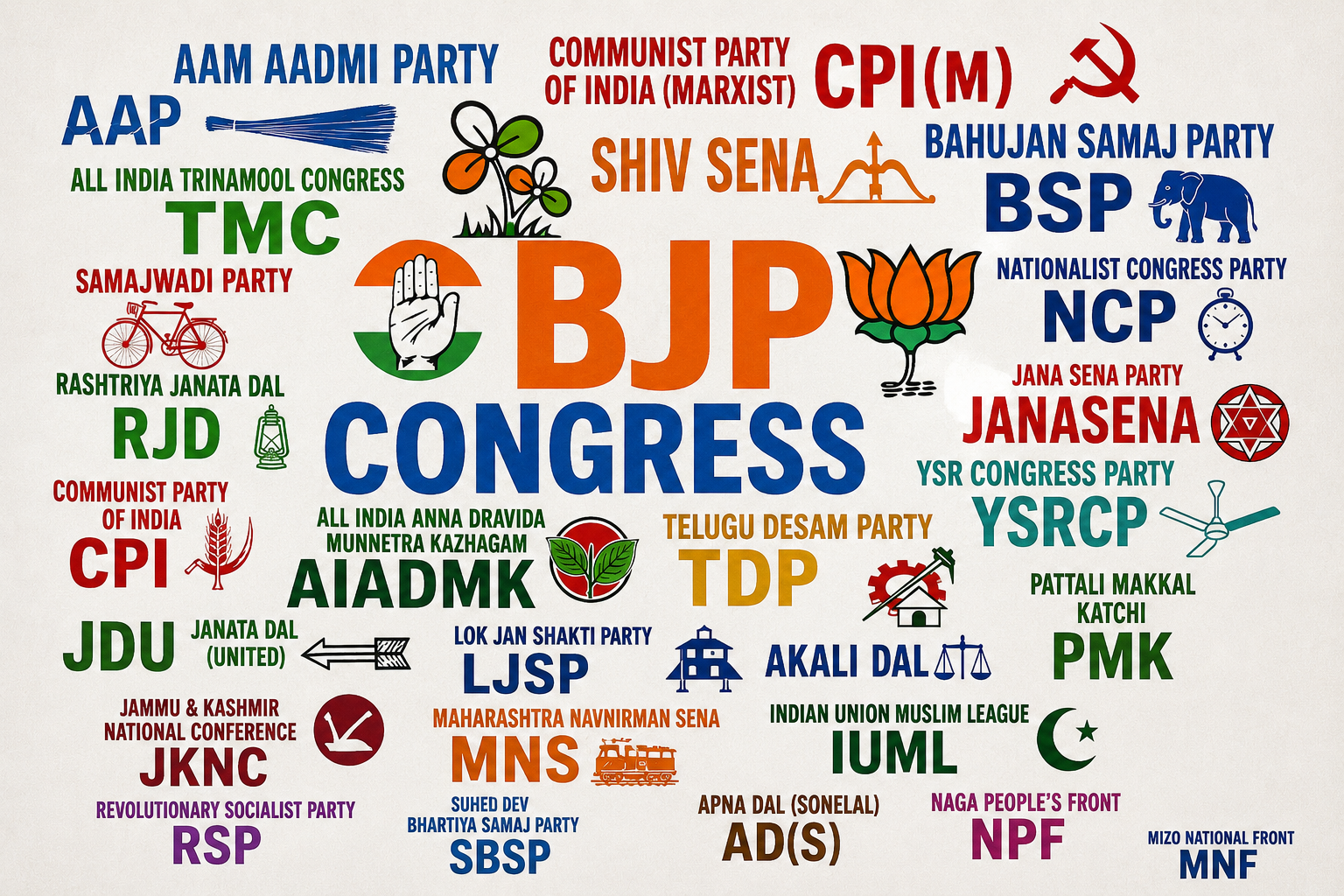
Apolitical storm has erupted following recent remarks by Rashtriya Swayamsevak Sangh (RSS) Chief Mohan Bhagwat, who publicly stated that the younger generation, commonly referred to as Gen Z, should not be branded as 'anti-national' for voicing their concerns. This statement has provided fresh ammunition for the opposition, particularly the Congress party and the Nationalist Congress Party (Sharad Pawar faction), who are questioning the ruling Bharatiya Janata Party (BJP) over its past actions against student protesters.
The Opposition's Critique
The opposition claims that while the ideological head of the Sangh Parivar has expressed a more moderate view toward the youth, the government has historically taken a hardline stance against students who dissent. Leaders have pointed to numerous instances where student protests—ranging from campus fee hikes to national policy demonstrations—were met with heavy-handed police responses and accusations of sedition or anti-national activities.
Congress leaders argued that if the RSS chief believes Gen Z is essentially patriotic, then the state machinery must stop criminalizing student activism. Former Maharashtra Chief Minister Prithviraj Chavan specifically highlighted the disconnect between the government and the youth, calling for a full-time Union Education Minister who possesses the temperament and foresight to connect meaningfully with the aspirations and grievances of this digital-native generation. According to Chavan, the current climate of hostility on campuses is alienating the nation's future leaders.
The Philosophical Divide
The comments by Mohan Bhagwat were interpreted by political analysts as an attempt to soften the image of the ideological parivar amidst rising youth unemployment concerns and digital activism. However, critics argue that the 'anti-national' label has been a preferred tool for BJP-affiliated social media wings and party spokespersons to delegitimize any form of protest. The opposition is now demanding that the BJP clarify its position: does the party leadership align with Bhagwat's newfound empathy, or will they continue to maintain a zero-tolerance policy toward student dissent?
Impact on Campus Politics
The dialogue comes at a sensitive time for the education sector in India, which has seen a series of high-profile disputes over university autonomy and political discourse. Student unions across the country have long maintained that their dissent is rooted in the constitutional right to freedom of speech, yet they often face legal repercussions that threaten their academic careers. The opposition parties are now using this 'Bhagwat doctrine' to pressure the government into reconsidering how it interacts with the student demographic. As the discourse evolves, it remains to be seen whether the BJP will adjust its communication strategy to avoid further alienating younger voters, or if the internal dissonance between the RSS and the party will continue to provide the opposition with a potent avenue for political mobilization.
How do you feel about this story?
Discussion
No comments yet. Be the first to share your thoughts.
Join the discussion
Sign in to share your thoughts on this story.