BNN Summary
India's massive democratic exercise provides critical insights for the world on how to drive civic engagement. Through community-led outreach, decentralized administration, and cultural integration, India successfully mobilizes hundreds of millions of voters, offering a blueprint for other nations struggling with democratic apathy.
In-Depth Analysis
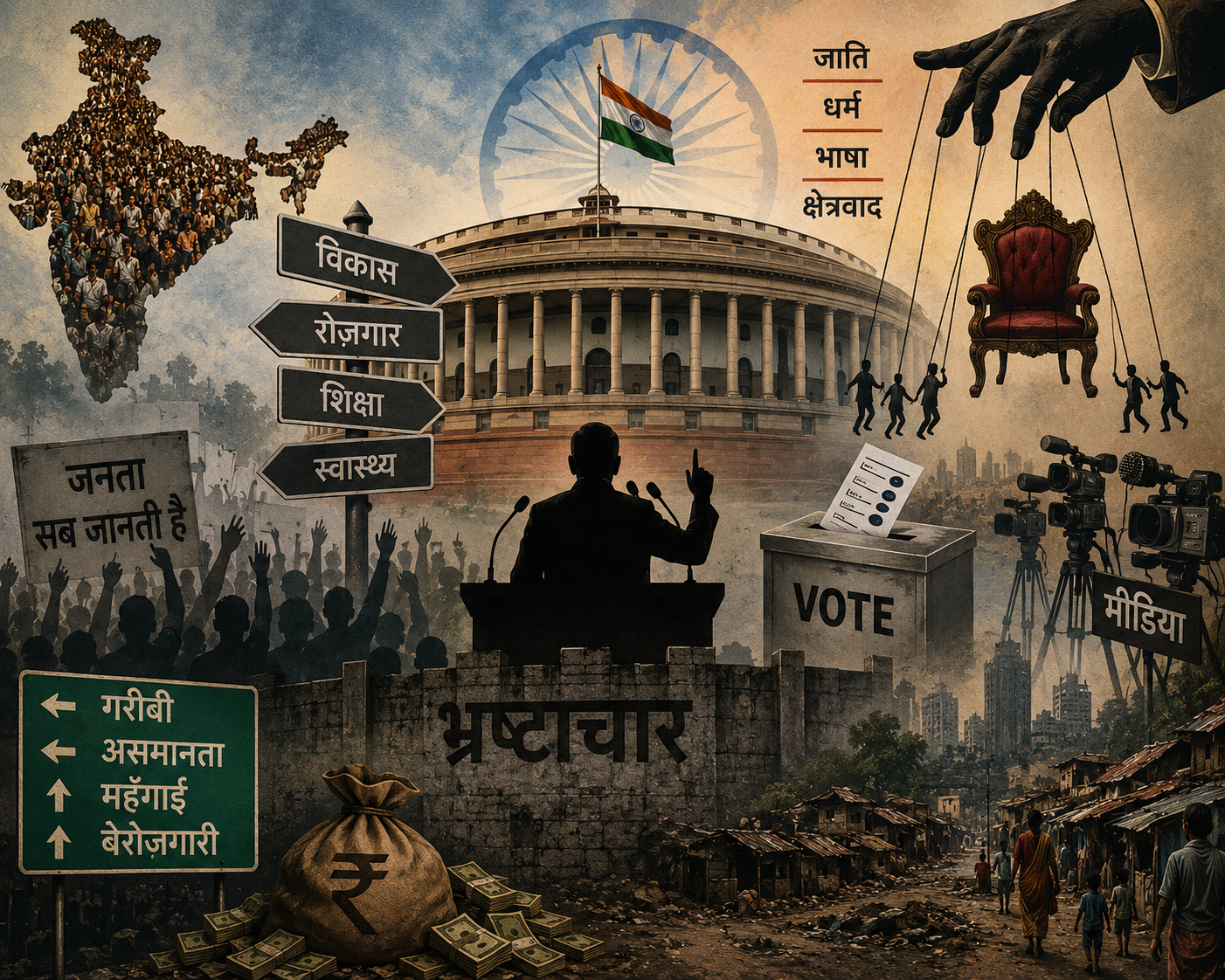
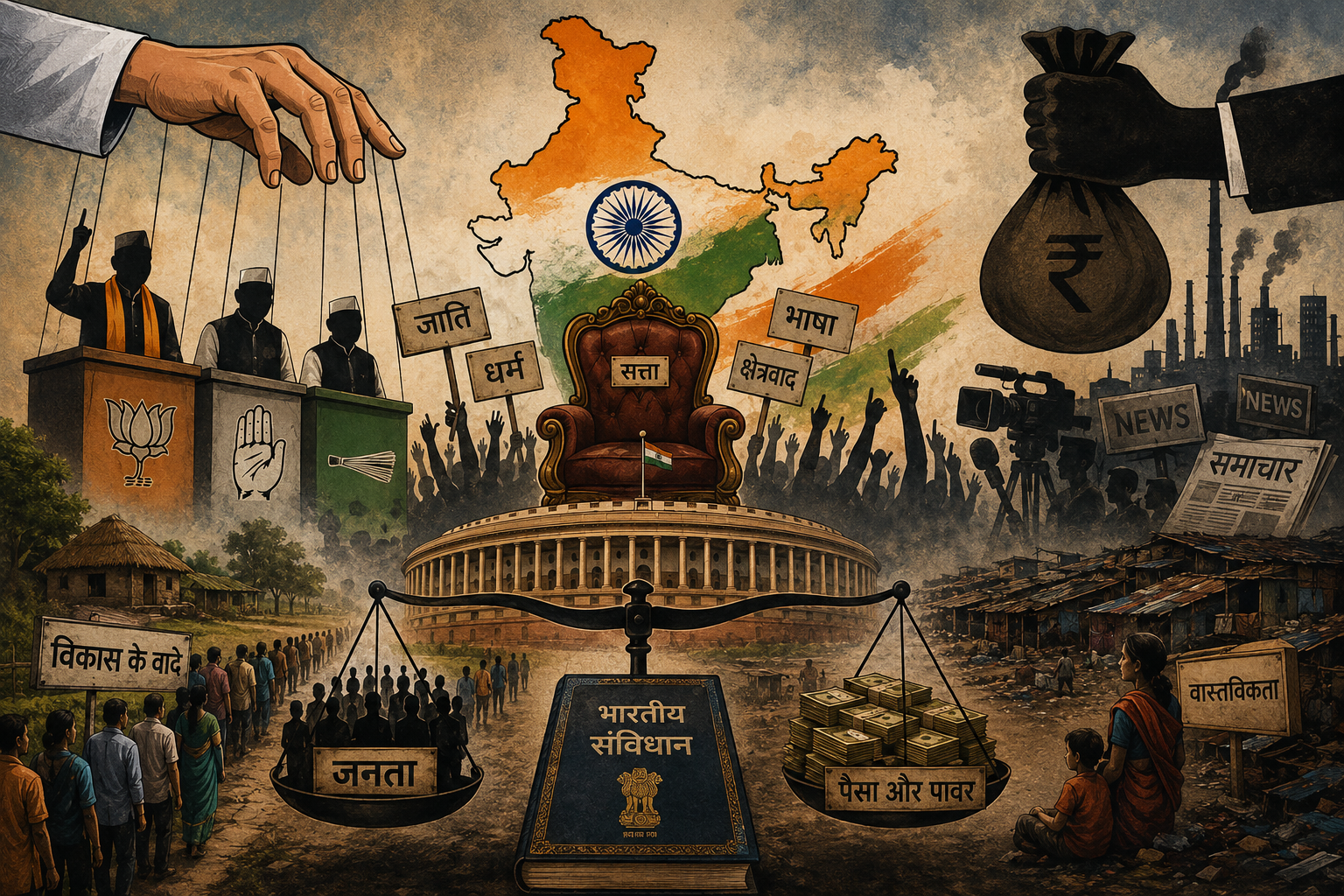
As democratic nations across the globe grapple with stagnant or declining voter turnout, the Indian model of elections stands as a fascinating case study in mobilization. With a electorate surpassing 900 million individuals, the sheer scale of India's 'festival of democracy' serves as a testament to the power of systemic inclusion and localized community engagement. While many Western nations rely heavily on mail-in ballots and automated reminders, India utilizes a multi-dimensional strategy that weaves the act of voting into the very fabric of social and cultural life.
The Human Touch in Voter Mobilization
At the heart of India's success is the principle of accessibility. The Election Commission of India (ECI) maintains a mandate that no voter should have to travel more than two kilometers to reach a polling station. This commitment to physical accessibility is paired with an exhaustive door-to-door outreach program. Booth-level officers, who are often members of the local community, ensure that electoral rolls are updated and that every eligible citizen is not only registered but informed of their rights. This hyper-local approach transforms the abstract concept of 'civic duty' into a tangible neighborhood event.
Overcoming Hurdles Through Innovation
India's ability to turn out voters in extreme environments—ranging from the high-altitude glaciers of the Himalayas to the dense, sprawling urban centers of Mumbai and Delhi—is unparalleled. The use of 'mobile polling teams' and temporary stations ensures that nomadic tribes, forest dwellers, and those in remote regions are not sidelined. By deploying thousands of teams across diverse terrains, the ECI demonstrates that voter apathy is often a result of infrastructure failure rather than a lack of interest. When the state brings the ballot box to the people, the barrier to participation drops significantly.
Cultural Integration and the 'Festival' Narrative
Perhaps the most potent lesson from India is the branding of the election. It is not merely described as a administrative procedure, but as a 'Mahotsav' or a festival. By celebrating the voting process through public art, school awareness programs, and extensive media campaigns, the nation fosters a sense of pride in participation. Iconic celebrities and local leaders frequently participate in public messaging campaigns, reinforcing the idea that voting is a social badge of honor. This cultural narrative shift has proven effective in countering the cynicism that often plagues modern political discourse.
Institutional Independence and Public Trust
Trust remains the bedrock of turnout. The ECI's reputation for being an autonomous, non-partisan body is central to voter confidence. By utilizing tamper-proof Electronic Voting Machines (EVMs) and implementing strict observation protocols, the electoral body ensures that the process is transparent. When voters believe that their ballot is counted correctly, they are far more likely to return to the polls in subsequent cycles.
Lessons for the World
For nations looking to revitalize their democratic processes, the Indian experience highlights three core pillars:
- Localized Infrastructure: Prioritize the proximity of polling stations to residential areas.
- Community-Led Outreach: Move beyond digital advertising and engage with citizens through neighborhood-level representatives.
- Cultural Branding: Reframe voting as a collective celebration of national identity rather than a dry bureaucratic requirement.
Ultimately, India proves that if you lower the logistical barriers and elevate the cultural significance of the ballot, the electorate will respond. In an era where digital noise often drowns out civic engagement, the Indian model demonstrates that the human connection remains the most effective tool for sustaining a vibrant democracy.
How do you feel about this story?
Discussion
No comments yet. Be the first to share your thoughts.
Join the discussion
Sign in to share your thoughts on this story.