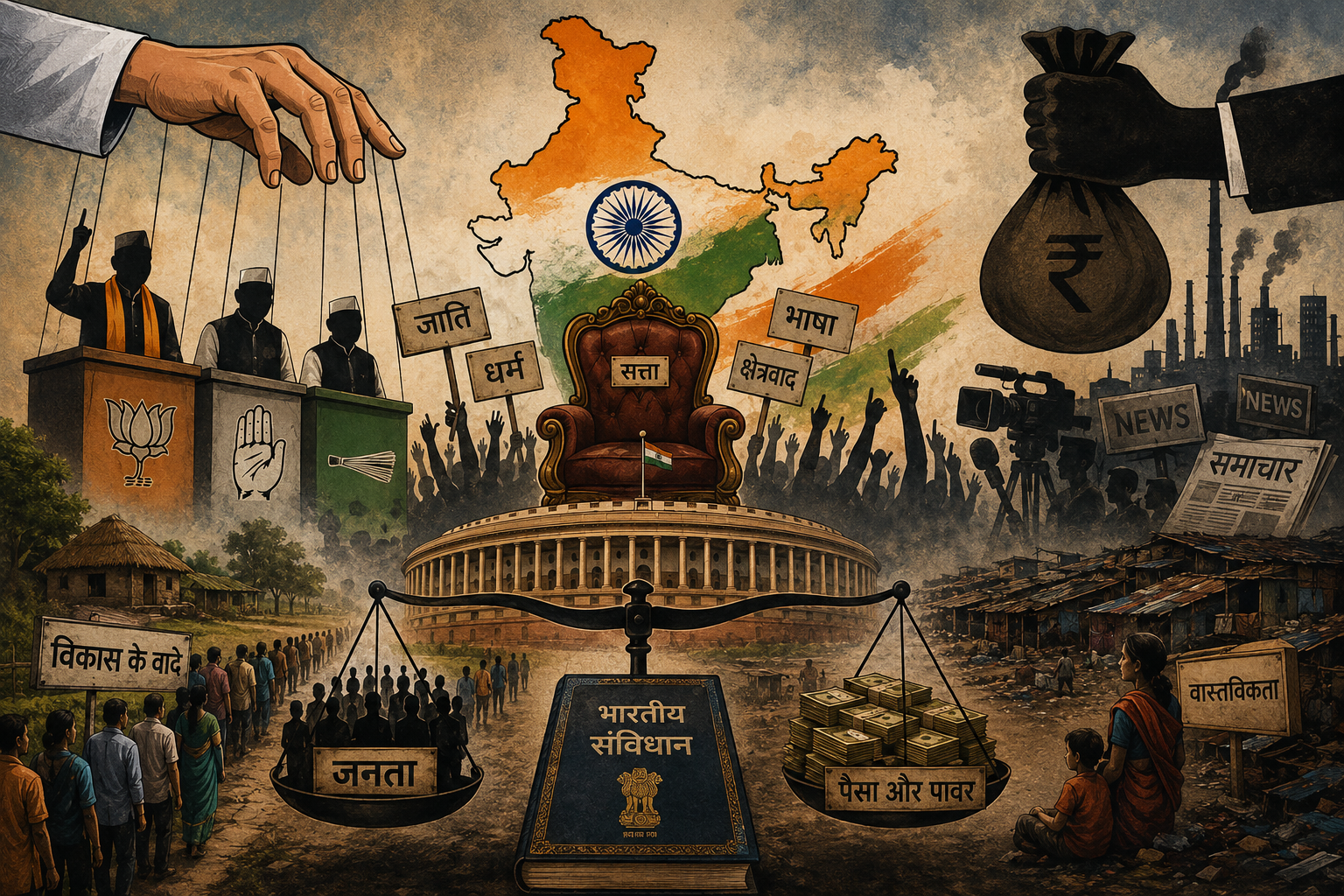
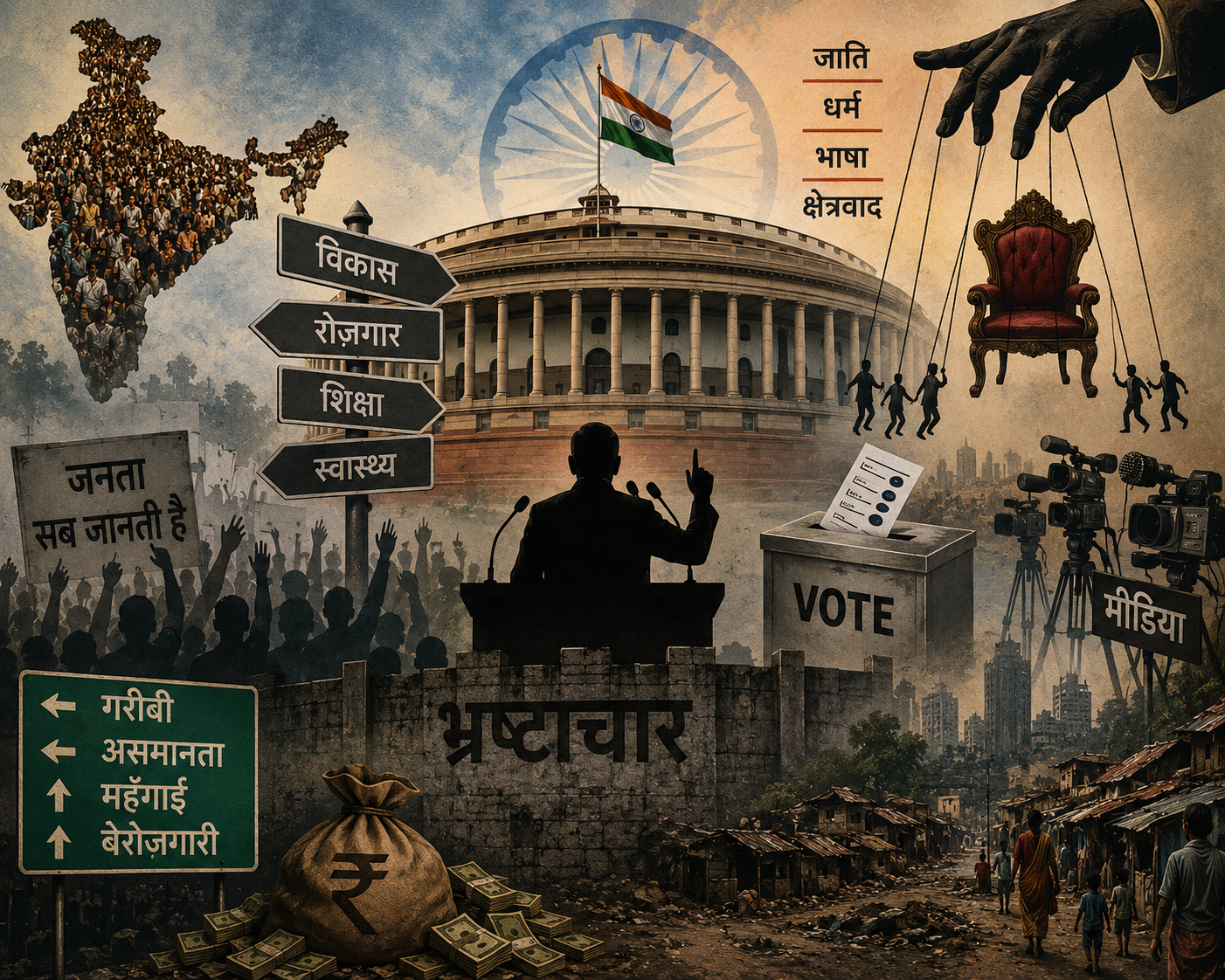
Image: Wikimedia
BNN Summary
Political strategist turned activist Prashant Kishor is reshaping Bihar's electoral landscape. His recent influence, particularly in urban strongholds like Bankipur, signals a potential shift in voter sentiment that poses a direct challenge to the Bharatiya Janata Party's traditional dominance in the region.
In-Depth Analysis
The political landscape in Bihar is undergoing a seismic shift that has left the Bharatiya Janata Party (BJP) grappling with a newfound sense of vulnerability. At the center of this transformation is Prashant Kishor, the renowned political strategist who has transitioned from a backroom operator for major national parties to the architect of his own grassroots movement, the Jan Suraaj. As his influence begins to permeate traditionally safe electoral territories, the question arises: Is the recent activity surrounding seats like Bankipur a harbinger of a broader, more turbulent electoral wind for the saffron party?
The Rise of a New Political Variable
For years, Prashant Kishor was known as the 'master of the win', helping various political entities secure mandate after mandate. However, his decision to return to his home state of Bihar and embark on a state-wide march has changed the narrative. By focusing on long-term engagement rather than short-term campaign tactics, Kishor has managed to build a coalition of voters that transcends traditional caste-based loyalties. This bottom-up approach is being viewed by analysts as a direct threat to the BJP's established hegemony in urban centers.
The Bankipur Conundrum
Bankipur, long considered a bastion of the BJP, has suddenly become the focal point of intense political speculation. The party has historically relied on a solid urban voter base that prioritizes national narratives and developmental stability. Yet, the current environment suggests that local grievances are bubbling to the surface. Observers note that Kishor's emphasis on education, employment, and migration-related issues resonates deeply with the younger demographic in cities. If the BJP cannot address these specific local concerns, the stability of their urban strongholds may be compromised.
A Reckoning for the BJP
The BJP is now facing a strategic dilemma. Should they continue to rely on their traditional national platforms, or do they need to pivot toward addressing the granular, state-specific critiques leveled by Kishor's camp? The party's internal assessments likely indicate that the 'Kishor factor' is not merely a passing phase but a structural challenge that threatens to peel away segments of the middle-class urban vote.
The Broader Implications
If Bankipur acts as a straw in the wind, it indicates that the political maturity of the electorate is evolving. Voters are increasingly demanding accountability for local infrastructure and educational quality, issues that often get sidelined in national discourse. The Jan Suraaj initiative, through its sustained presence, is forcing other political players to rethink their engagement strategies.
Ultimately, whether Prashant Kishor manages to dismantle the BJP's infrastructure or merely forces a necessary course correction remains to be seen. However, the optics of the situation are clear: the BJP can no longer assume that its urban strongholds are impenetrable. The coming months will be critical, as the political machinery of the state prepares for a contest that promises to be as much about ideological direction as it is about electoral math.
How do you feel about this story?
Discussion
No comments yet. Be the first to share your thoughts.
Join the discussion
Sign in to share your thoughts on this story.