Image: Wikimedia
BNN Summary
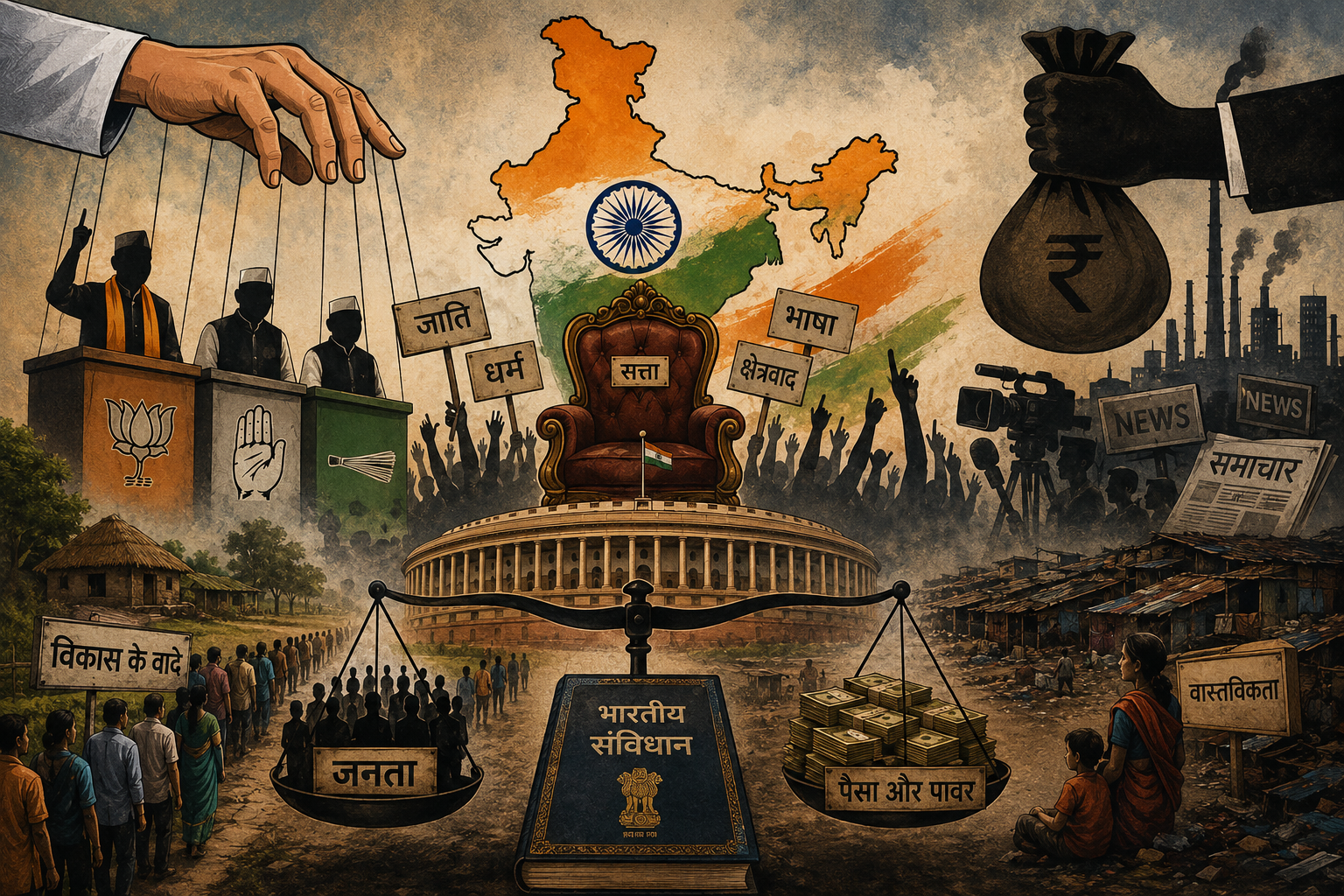
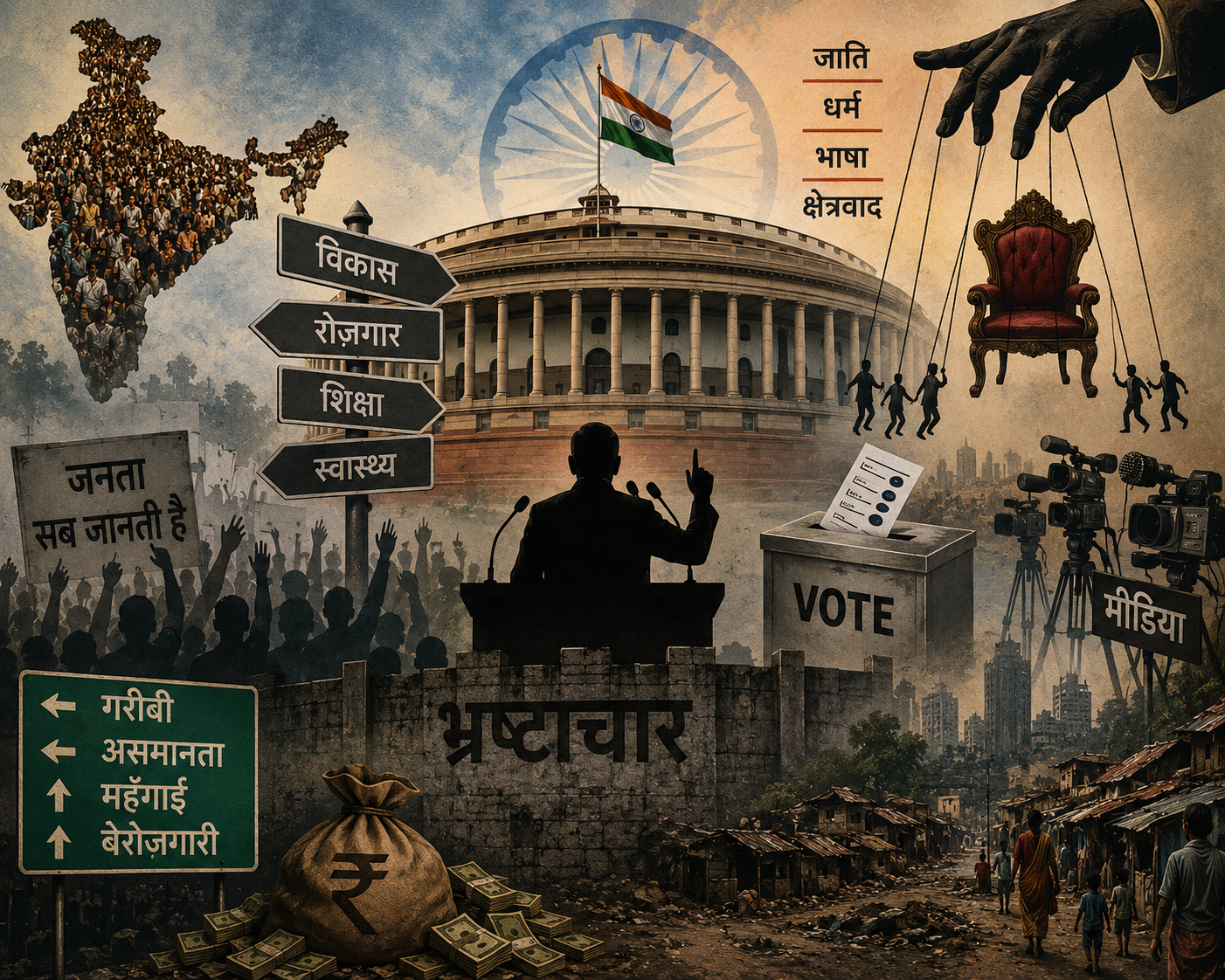
India's political landscape is undergoing a digital evolution. While the WhatsApp generation consolidated the BJP's dominance, a younger, Instagram-savvy cohort is now leveraging satire and new media to challenge the status quo, marking a significant shift in political engagement.
In-Depth Analysis
The landscape of Indian politics is currently experiencing a profound transformation, driven largely by the changing habits of digital native generations. For the past decade, the Bharatiya Janata Party (BJP) successfully utilized the sprawling, peer-to-peer nature of WhatsApp to build a formidable political base. By leveraging organizational networks, disseminating curated information, and fostering direct communication with voters, the party created a cohesive narrative that dominated the national discourse. This 'WhatsApp generation' was characterized by a preference for structured, top-down messaging and high-frequency engagement within closed communal circles.
However, a new wave of political expression is beginning to challenge these established paradigms. The 'Instagram generation'—younger, more visually inclined, and deeply skeptical of traditional party propaganda—is turning to alternative forms of political commentary. Unlike the archival-style messaging prevalent on WhatsApp, this new movement favors short-form video content, high-impact aesthetic satire, and candid, peer-to-peer critique that prioritizes irony over overt ideological signaling.
A prime example of this emerging trend is the rise of unconventional political entities like the 'Cockroach Janta Party' (CJP). Founded by Abhijeet Dipke, the CJP began as a satirical project but quickly captured the imagination of a disaffected youth demographic. By utilizing humor as a weapon against institutional rigidity, movements like these dismantle the seriousness of traditional political rhetoric. This shift represents a transition from 'ideological loyalty' to 'performative resistance,' where the power of a viral meme or an Instagram Reel often outweighs the impact of a traditional press release or a forwarded broadcast message.
The challenge for established parties is significant. The BJP's communication machinery was built for a world of static text, forwarded links, and closed groups. In contrast, the current digital ecosystem on platforms like Instagram demands authenticity, rapid visual adaptation, and a degree of self-deprecation that many legacy political structures struggle to embody. Furthermore, the nature of political scrutiny has changed. Whereas previous digital movements were often driven by institutional backing, current movements are decentralized, fragmented, and difficult to manage or contain through traditional gatekeeping.
Political analysts observe that this demographic shift is not merely about a change in platform, but a fundamental change in the relationship between the voter and the state. The Instagram generation is less interested in being told what to believe; they are increasingly focused on highlighting the gaps between official narratives and the lived reality of urban and peri-urban youth. As the influence of these platforms continues to grow, political parties will need to pivot from broadcasting to conversing. Whether they can bridge this gap—or whether they will be rendered obsolete by the agility of the new digital counter-culture—remains the defining question of the next election cycle. The era of the single-narrative digital campaign is effectively over, replaced by a complex, noisy, and highly creative landscape where satire serves as the primary currency of dissent.
How do you feel about this story?
Discussion
No comments yet. Be the first to share your thoughts.
Join the discussion
Sign in to share your thoughts on this story.