Image: Wikimedia
BNN Summary
Political analysts and opposition figures suggest that India's younger generation is increasingly defying the ruling BJP's narrative. Anish Gawande of the Nationalist Congress Party claims the 'architecture of fear' strategy is losing its efficacy as youth engagement transforms the national discourse.
In-Depth Analysis
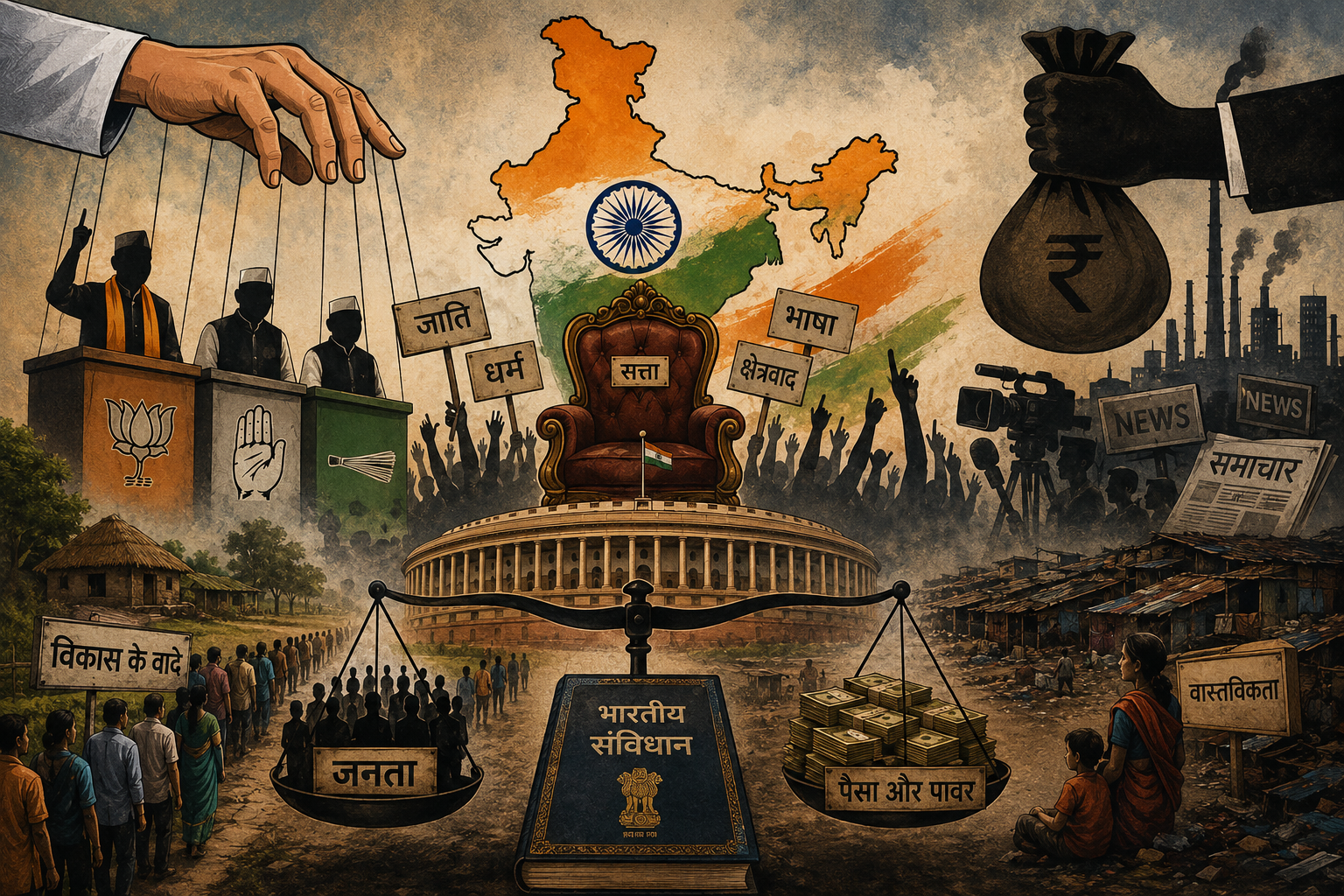
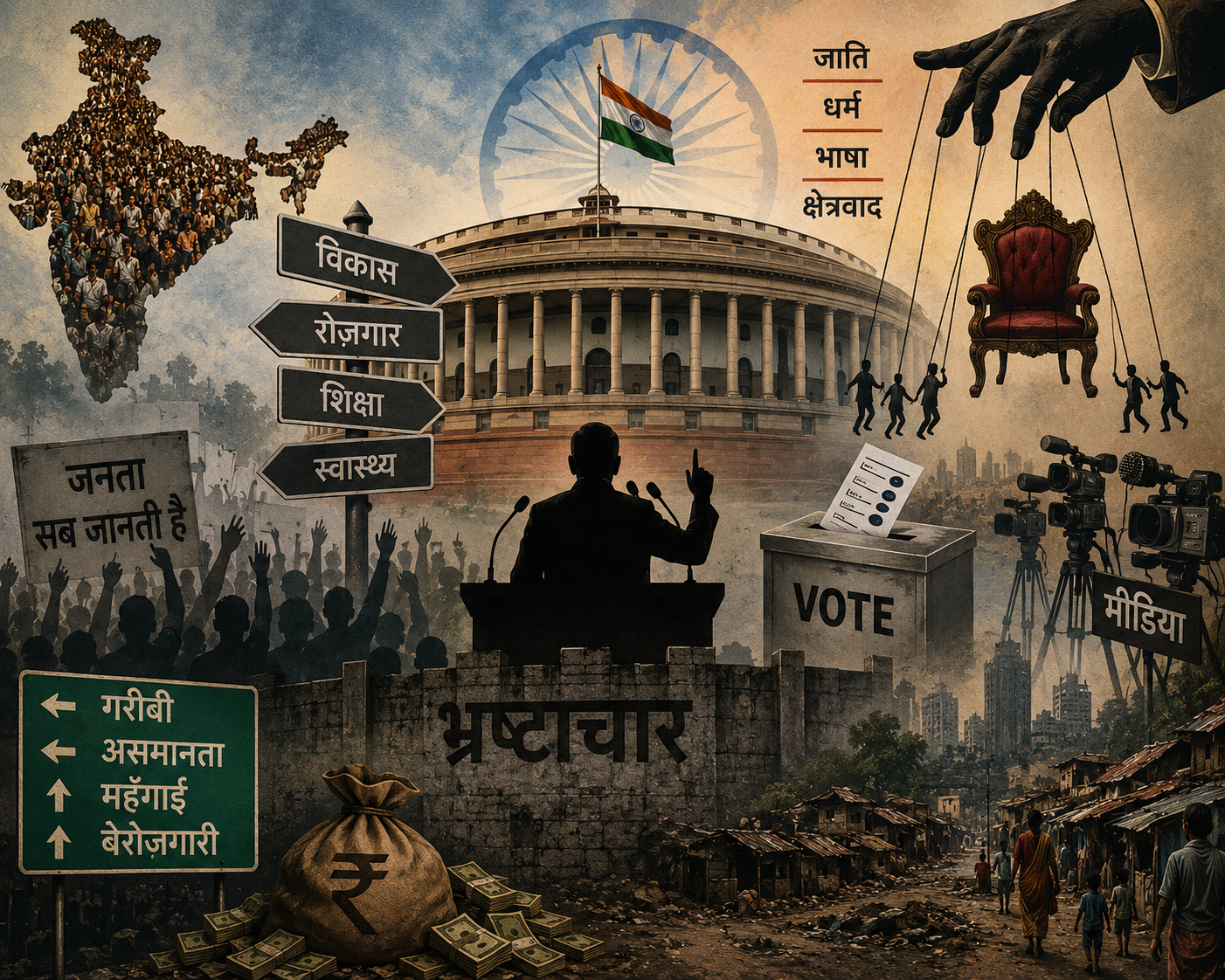
The political landscape of India is currently witnessing a significant transformation, driven largely by a demographic that is increasingly vocal, digital-savvy, and unwilling to conform to traditional narratives of intimidation. In a recent discussion, Anish Gawande, the National Spokesperson for the Nationalist Congress Party (NCP), articulated a perspective that is gaining traction among political observers: the ruling Bharatiya Janata Party (BJP) and Prime Minister Narendra Modi are facing a new reality where their established 'architecture of fear' is no longer dictating the terms of engagement with the electorate.
The Erosion of the Fear Narrative
For years, critics have argued that the BJP's consolidation of power was supported by a strategy of polarization and the marginalization of dissenting voices. This approach, often described as an 'architecture of fear', relied on leveraging state machinery and dominant media narratives to discourage opposition. However, the youth of India—a vast demographic bloc that was once considered a predictable vote bank—appears to be moving in a different direction.
According to Gawande, the young citizens of India have developed a form of political immunity. The incessant cycle of social media trolling, legal threats, and ideological labeling that characterized the previous decade is being met with a newfound resilience. This shift suggests that the mechanisms designed to silence opposition may have inadvertently galvanized a segment of the population that feels their future is tied directly to the health of Indian democracy.
Economic and Social Disillusionment
Beyond the political rhetoric, the youth movement is deeply rooted in tangible socioeconomic grievances. High unemployment rates, the quality of higher education, and the rising cost of living remain the primary concerns for those entering the job market. When these material issues are coupled with an environment of restrictive discourse, the result is a heightened sense of civic urgency.
- Key drivers of the youth shift:
- Frustration with the lack of quality job creation for graduates.
- A desire for more inclusive social policies that reflect India's pluralistic fabric.
- Increased reliance on independent digital platforms that bypass mainstream controlled media.
Challenges to the Established Order
The claim that the 'architecture of fear has met its match' is not merely a theoretical observation; it represents a tactical change in how opposition parties are engaging with voters. The NCP and other members of the opposition are increasingly focusing on issues of governance and personal agency rather than getting trapped in the culture wars that the ruling party frequently orchestrates.
Analysts note that while the BJP still holds a formidable organizational structure, the spontaneous and decentralized nature of youth protests and digital activism makes it difficult for any centralized political machine to contain. The narrative of fear, which traditionally silenced criticism by painting dissent as anti-national, is finding less purchase among a generation that prizes individual expression and economic opportunity over top-down ideological conformity.
Looking Ahead
The upcoming political cycles will serve as the ultimate litmus test for this theory. If the youth vote continues to prioritize substantive policy discussions over religious or identity-based polarization, the strategy of fear will likely face further decline. The emergence of a more skeptical, empowered, and articulate young electorate indicates that India's democratic process is entering a phase of renewed contestation. Whether the BJP will pivot its communication strategy to address these concerns or double down on its current path remains one of the most critical questions in contemporary Indian politics.
How do you feel about this story?
Discussion
No comments yet. Be the first to share your thoughts.
Join the discussion
Sign in to share your thoughts on this story.