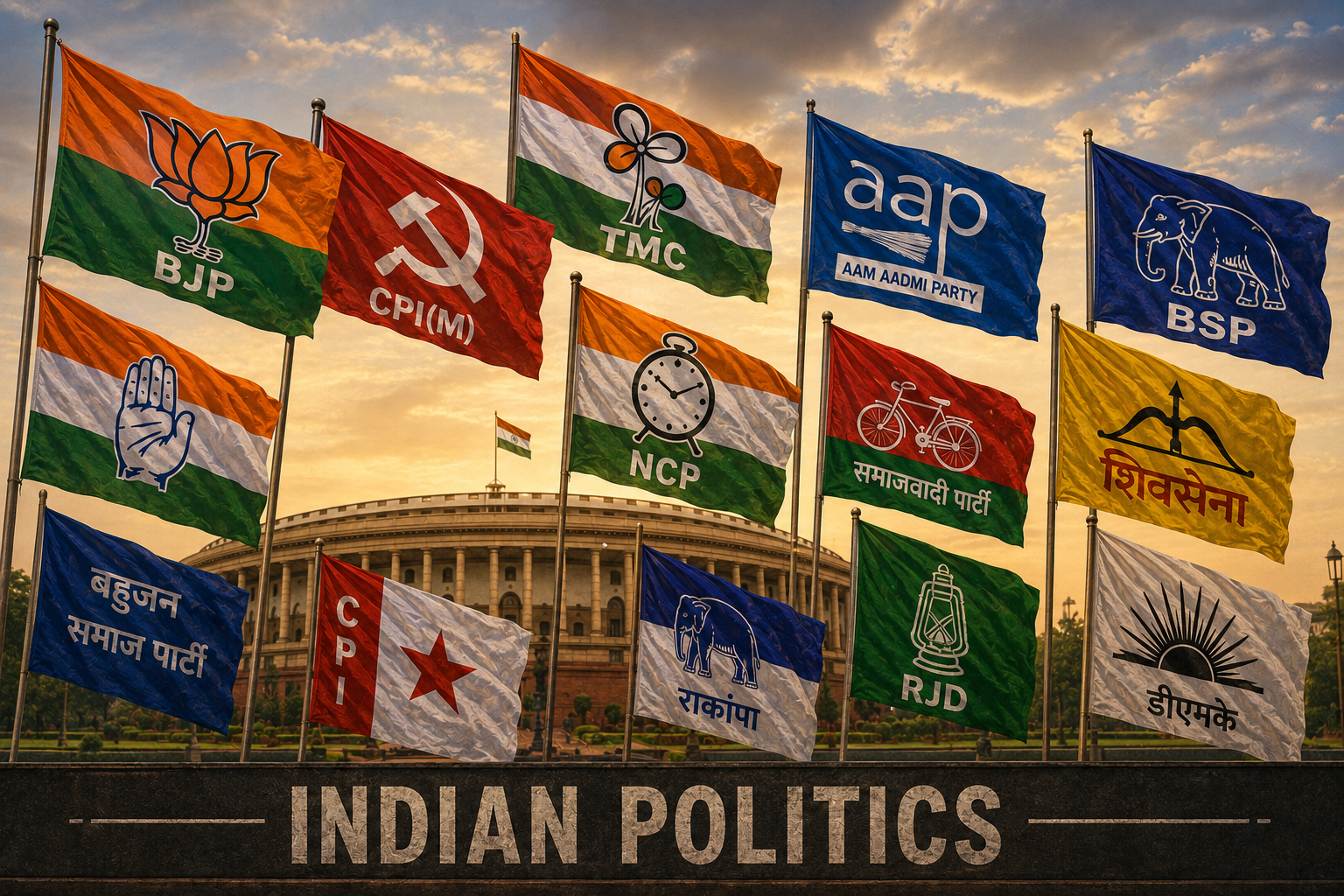
Image: Wikimedia
BNN Summary
Following recent electoral setbacks, the BJP is launching a massive grassroots outreach program in Uttar Pradesh, spearheaded by RSS-style organizational techniques to consolidate its support base and ensure long-term political dominance.
In-Depth Analysis
The Bharatiya Janata Party (BJP) is currently undertaking a fundamental strategic shift in its approach to Uttar Pradesh, the most politically significant state in India. Following a period of electoral introspection, the party is pivoting away from high-visibility digital campaigns and centralized messaging to focus exclusively on grassroots mobilization. This move, heavily influenced by the organizational blueprint of the Rashtriya Swayamsevak Sangh (RSS), aims to reconnect with the core voter base and address local grievances that have been perceived as neglected.
The RSS Blueprint for Grassroots Engagement
Drawing inspiration from the successful voter-awareness campaigns deployed in Haryana and West Bengal, the party has directed its local cadres to go door-to-door. This effort is not merely about increasing voter turnout but is a structural move to solidify the 'panna pramukh' (page in-charge) system. The RSS has signaled that the current political landscape requires a more nuanced approach, focusing on the microscopic management of constituencies where every single household is reached and engaged by local party workers.
Why the Shift Now?
Analysts note that the party's previous reliance on state-level narratives and 'double engine' rhetoric has seen diminishing returns in rural pockets. The upcoming challenges necessitate a return to basics. By empowering local leaders and strengthening the influence of the booth-level machinery, the BJP seeks to create a buffer against anti-incumbency sentiments that often emerge after long periods of governance. The primary goal is to ensure that the organizational structure is resilient enough to withstand local political shifts and caste-based arithmetic, which remains a potent factor in Uttar Pradesh politics.
Components of the Revival Strategy
-
Booths as Command Centers: The focus is on revitalizing individual polling booths. Each booth will now have a dedicated team responsible for monitoring the demographic profile and addressing the immediate concerns of their assigned neighborhood.
-
Direct Feedback Mechanisms: Unlike previous cycles where feedback was filtered through hierarchical tiers, the current plan involves direct reporting from grassroots workers to the state leadership. This allows for a more responsive policy formulation process at the district level.
-
Community-Centric Outreach: Beyond political rallies, the focus has shifted to smaller, localized 'sammelans' (gatherings) where issues such as local infrastructure, welfare scheme implementation, and rural employment are debated. This provides a platform for local leaders to demonstrate accountability and accessibility.
Future Implications
The long-term viability of this strategy hinges on the commitment of the lower-tier cadres. The BJP leadership understands that organizational inertia can be the greatest enemy of a dominant party. By re-engaging the grassroots, the BJP is effectively transitioning into a state of 'permanent campaigning,' ensuring that its organizational apparatus remains active regardless of the election cycle. While the success of this maneuver remains to be seen, the emphasis on organizational discipline signals that the BJP is not willing to concede its hegemony in the state without a robust, bottom-up restructuring of its political efforts.
How do you feel about this story?
Discussion
No comments yet. Be the first to share your thoughts.
Join the discussion
Sign in to share your thoughts on this story.