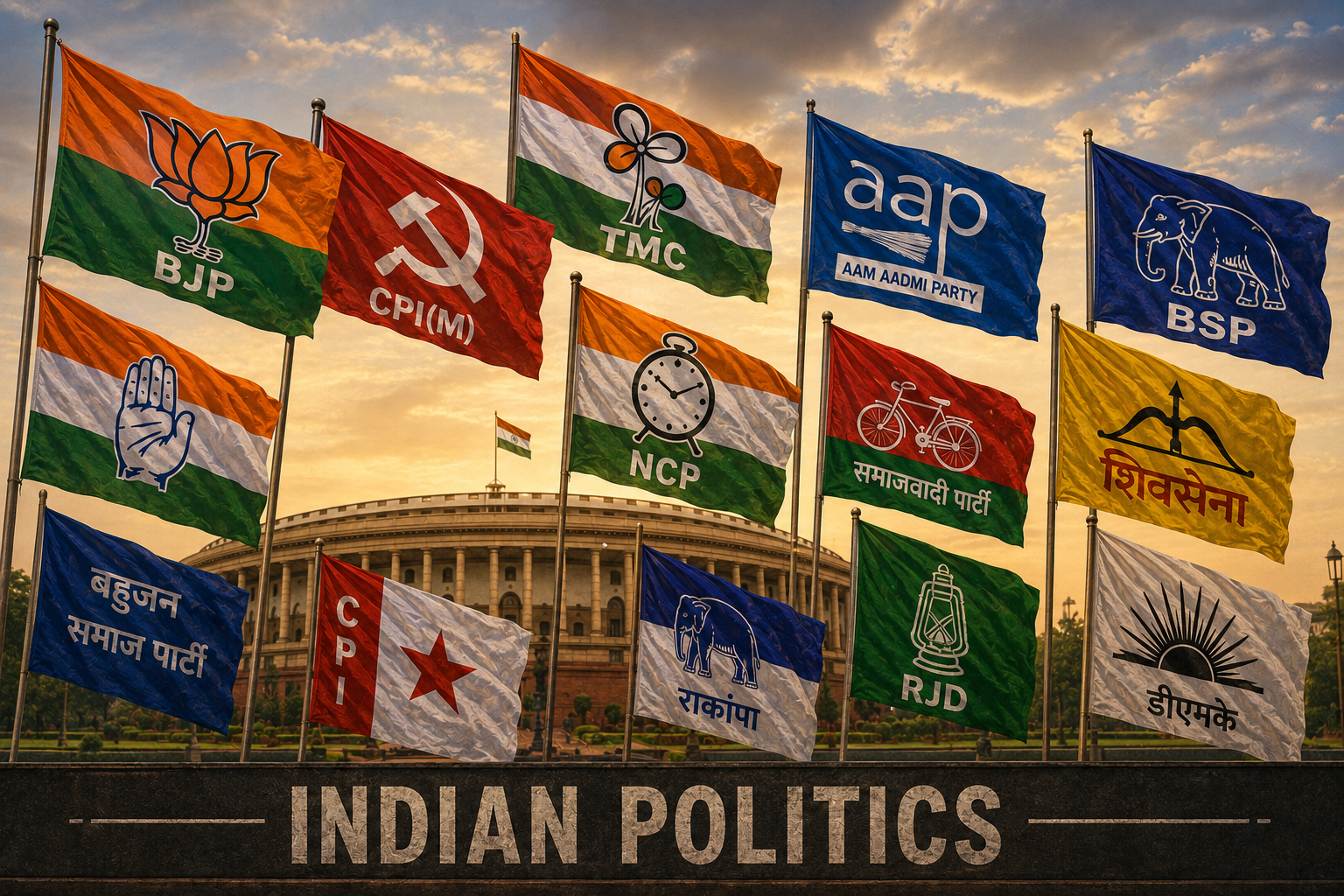
Image: Wikimedia
BNN Summary
TTV Dhinakaran has criticized the government for delaying police recruitment, labeling it a direct threat to public safety. Meanwhile, the Madras High Court dismissed petitions from political commentator Ponraj regarding disparaging remarks, and debates intensify over the national delimitation bill and its political implications in Tamil Nadu.
In-Depth Analysis
In a series of recent political developments across Tamil Nadu, major concerns have been raised regarding public safety, judicial integrity, and the brewing tension surrounding national legislative reforms. TTV Dhinakaran, the leader of the Amma Makkal Munnetra Kazhagam (AMMK), has launched a sharp attack against the current administration, specifically targeting the indefinite postponement of police recruitment processes.
The Recruitment Crisis
According to Dhinakaran, the delay in filling vacant police positions is not merely an administrative oversight but a reckless gamble with the lives of citizens. He stated that 'postponing the recruitment process is essentially playing with the safety of the public.' The lack of adequate law enforcement personnel on the ground has led to widespread criticism that the government is failing to address the fundamental needs of the state. Critics argue that the gap in police strength directly correlates to increased vulnerabilities in maintaining law and order, and they are demanding an immediate roadmap for recruitment to ensure the safety of the civilian population.
Legal Setbacks for Political Critics
The Madras High Court recently delivered a significant verdict involving political discourse and digital decorum. The court rejected petitions filed by political commentator Ponraj, who sought the quashing of cases registered against him. These cases were initiated following allegations that he made derogatory and offensive remarks concerning female volunteers of the Tamizhaga Vettri Kazhagam (TVK). The court's decision serves as a warning against the misuse of public platforms for personal attacks, reinforcing the legal standards regarding civil discourse and the protection of individuals' dignity in the political arena. This judicial outcome has sparked further discussions about the limits of free speech and the responsibilities of political analysts.
The Delimitation Dilemma
On the national front, political analysts are closely observing the BJP-led government's push for the national delimitation exercise and the implementation of the Women's Reservation Bill. There is growing apprehension within regional parties, particularly the DMK, regarding the potential long-term impact of these measures.
Speculation is rife regarding a 'hidden deal' or strategic maneuvering behind these legislative pushes. Observers are questioning whether the DMK and other regional powers are being cornered by the central government's agenda. The delimitation process, which involves redrawing electoral boundaries based on population census data, is particularly contentious in southern states. There is a prevailing fear that such an exercise could reduce the political leverage of states that have successfully implemented population control measures, thereby shifting power dynamics in favor of more populous northern regions. The political landscape remains fluid as these diverse issues—public safety, judicial accountability, and federal-state power balances—converge to shape the upcoming electoral narrative.
How do you feel about this story?
Discussion
No comments yet. Be the first to share your thoughts.
Join the discussion
Sign in to share your thoughts on this story.