BNN Summary
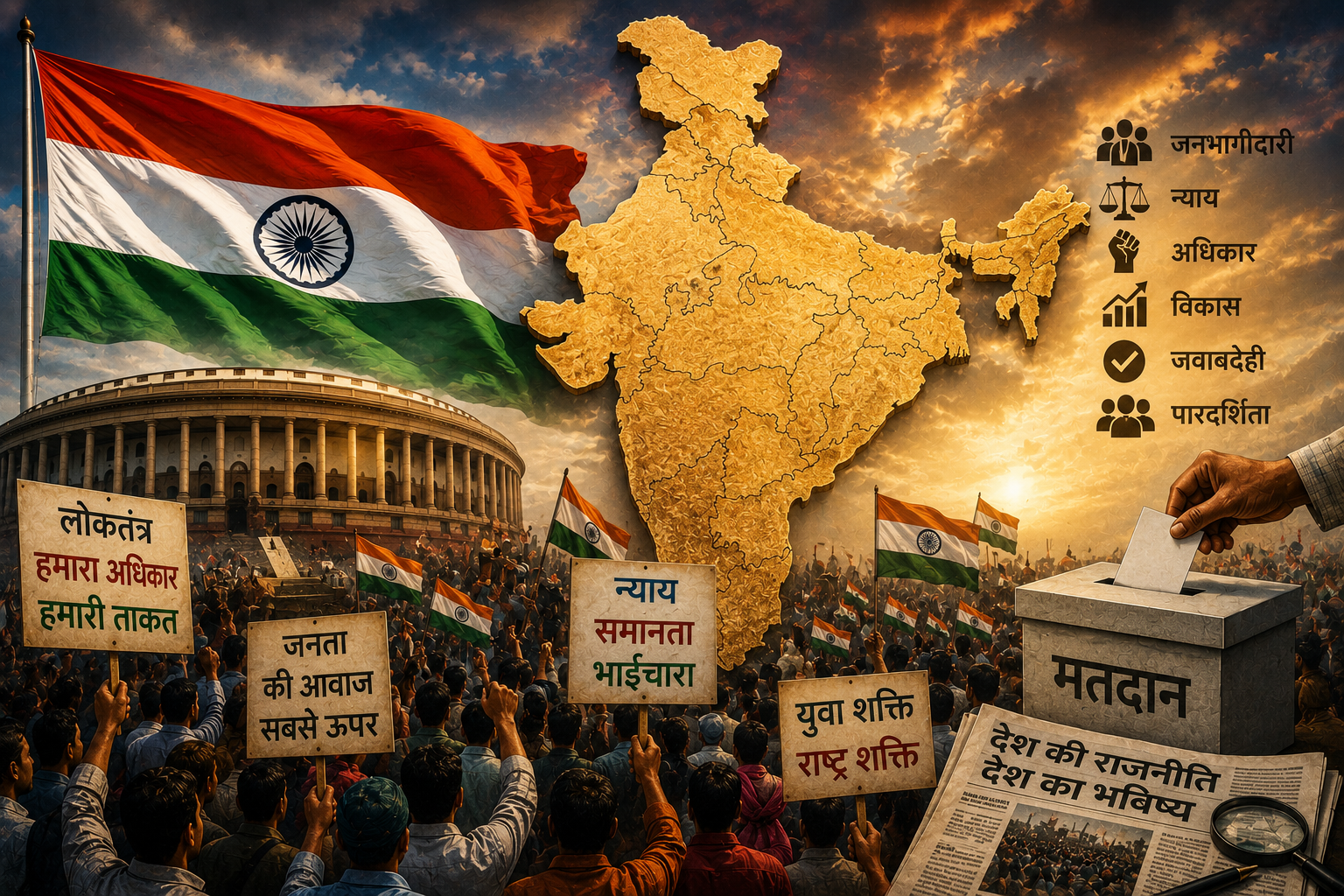
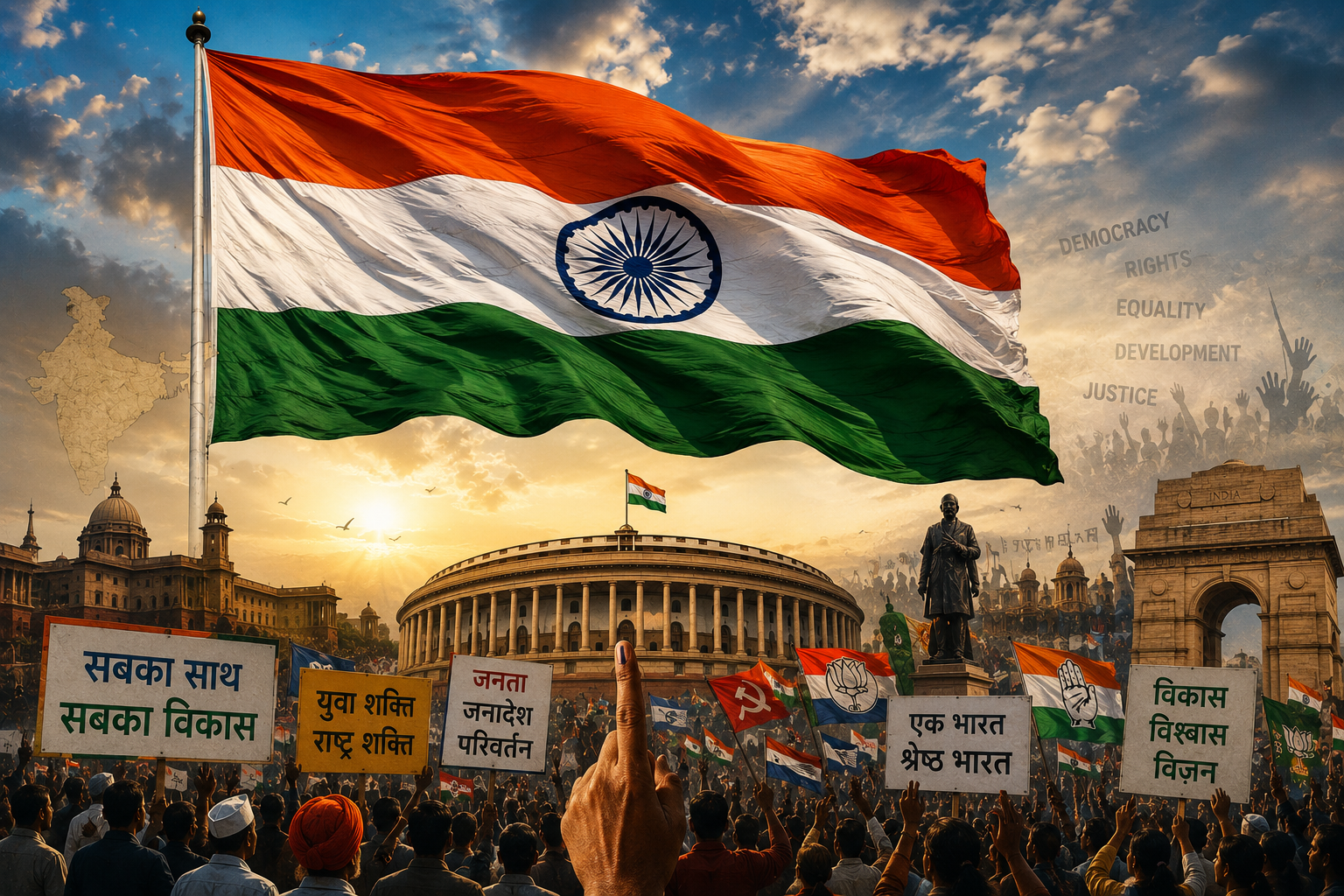
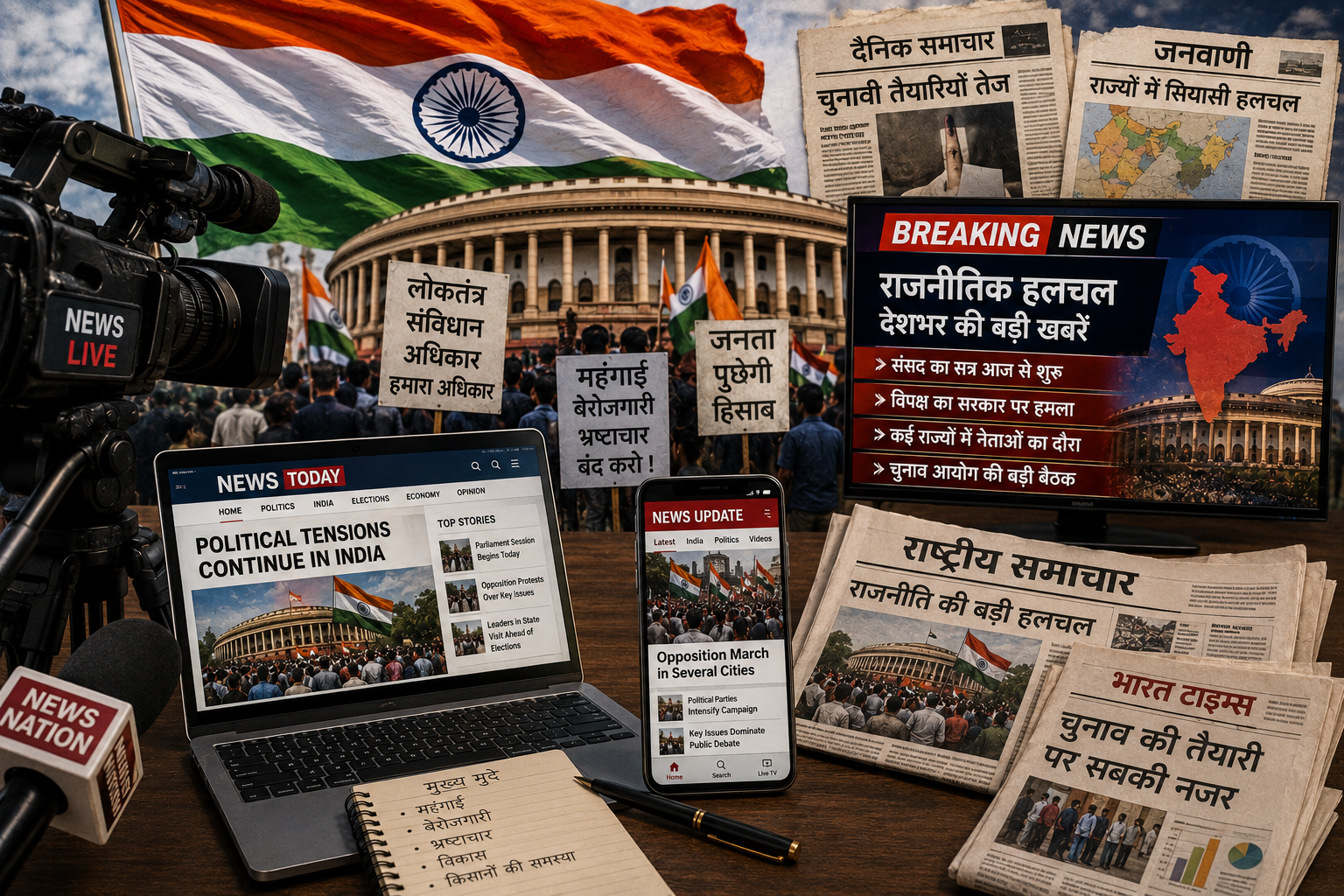
India's Gen Z-led 'Cockroach Janta Party' (CJP), born from frustration over widespread exam paper leaks, is now galvanizing public support around a pivotal hunger strike. This youth movement leverages traditional non-violent protest to amplify demands for transparency and accountability within the nation's beleaguered examination system, reflecting a growing wave of youth activism against systemic corruption.
In-Depth Analysis
Apotent new youth-led movement in India, aptly named the 'Cockroach Janta Party' (CJP), has captured national attention, evolving from street protests against rampant exam paper leaks to coalescing around a significant hunger strike. This emerging force, predominantly composed of India's Gen Z, embodies a growing disillusionment among young people with systemic failures and a fervent demand for accountability.
The moniker 'Cockroach Janta Party' is both provocative and symbolic. Members often explain it as a self-aware reference to their resilience and ability to survive and multiply despite attempts to suppress them, much like cockroaches. It also subtly hints at how they might be perceived by the establishment—an unwanted, persistent presence that refuses to be ignored. This identity has resonated deeply with millions of young Indians who feel marginalized and unheard in a system they believe is rigged against merit.
At the core of the CJP's emergence is the pervasive and devastating issue of exam paper leaks across India. For years, leaks of question papers for competitive examinations—ranging from entry-level government jobs to prestigious university admissions—have plagued the nation, shattering the dreams of countless aspirants. These leaks, often facilitated by corrupt syndicates and sometimes implicating officials within examination bodies, lead to mass cancellations of exams, delayed recruitment processes, and a profound loss of faith in the integrity of public institutions. Students invest years of their lives, immense financial resources, and emotional energy preparing for these high-stakes tests, only to see their efforts undermined by fraud. The economic impact is equally staggering, as delays in filling crucial government positions can cripple public services and stagnate career paths for an entire generation.
The shift to a hunger strike as a central rallying point marks a significant strategic development for the CJP. An activist, whose identity has become a beacon for the movement, initiated the strike, invoking a powerful tradition of non-violent protest deeply embedded in India's history. Mahatma Gandhi's use of hunger strikes as a tool for political and social change has left an indelible mark, and contemporary activists continue to employ it to draw attention to pressing issues and exert moral pressure on authorities. For the CJP, the hunger strike serves not only as a dramatic call to action but also as a moral anchor, galvanizing widespread support from student bodies, civil society organizations, and concerned citizens across the country.
The demands articulated by the CJP are clear and uncompromising. They call for a comprehensive overhaul of the examination system, advocating for greater transparency in paper setting and evaluation processes, the implementation of stringent anti-cheating laws, and severe penalties for individuals and organizations found complicit in paper leaks. Furthermore, they demand timely and impartial investigations into past incidents, with a focus on ensuring justice for affected students and holding high-ranking officials accountable. The movement also seeks the establishment of an independent regulatory body to oversee all national examinations, aiming to restore public trust and ensure a level playing field for all aspirants.
This youth-led activism, exemplified by the 'Cockroach Janta Party,' signals a new era of civic engagement in India. Gen Z is not merely protesting; they are organizing, strategizing, and leveraging both traditional methods of dissent and modern digital platforms to amplify their voices. Their readiness to challenge the status quo and demand systemic change reflects a broader awakening among young Indians who are increasingly unwilling to accept corruption and inefficiency. As the hunger strike continues, it places immense pressure on the government to address these long-standing grievances, potentially reshaping the discourse around governance, transparency, and youth empowerment in India's future.
How do you feel about this story?
Discussion
No comments yet. Be the first to share your thoughts.
Join the discussion
Sign in to share your thoughts on this story.