Image: Wikipedia
BNN Summary
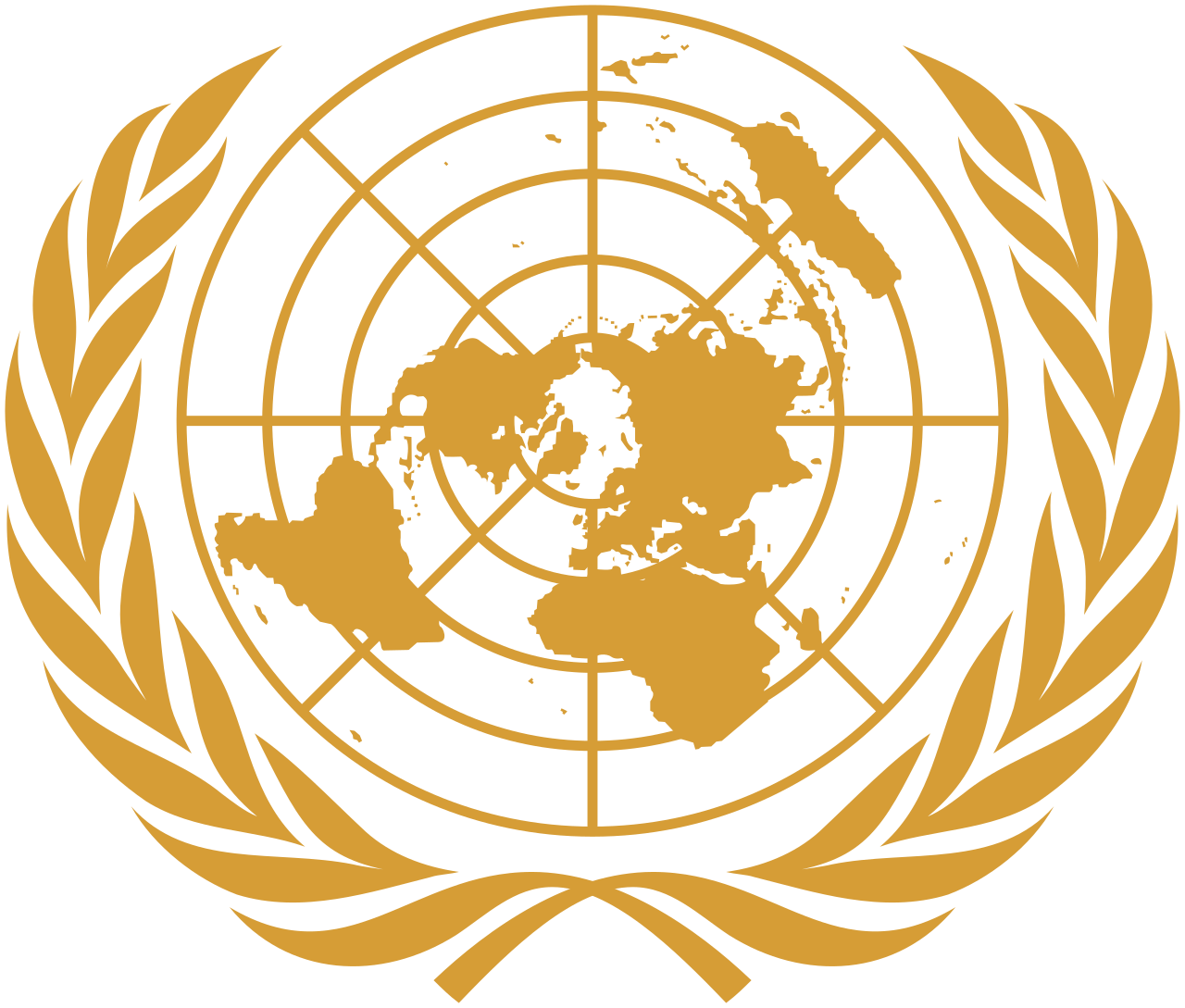
External Affairs Minister S. Jaishankar has officially launched India's campaign for a non-permanent seat on the United Nations Security Council for the 2028-29 term, emphasizing a commitment to maritime security, rule-based order, and the global fight against terrorism.
In-Depth Analysis
United Nations, New York: In a significant diplomatic push, India has formally initiated its campaign for a non-permanent seat on the United Nations Security Council (UNSC) for the 2028-29 term. External Affairs Minister S. Jaishankar, while addressing the diplomatic community at the UN headquarters, underscored New Delhi's vision for a more inclusive and effective multilateral order. The announcement marks the beginning of a strategic outreach phase aimed at securing international support for India's presence at the high table of global governance.
Core Pillars of the Campaign
Minister Jaishankar outlined several priority areas that would define India's approach should it be elected to the Council. Among the most critical is the promotion of a free, open, and rule-based maritime order. As the world becomes increasingly interconnected through global trade routes, India has positioned itself as a 'net security provider' in the Indian Ocean Region and beyond. Jaishankar stressed that the safety of seafarers and the freedom of navigation are non-negotiable components of global economic stability.
Key priorities articulated by the Minister include:
- Maritime Security: Ensuring that international waters remain free from geopolitical coercion and criminal activities.
- Counter-Terrorism: Escalating efforts to dismantle terror financing networks that threaten regional and international peace.
- Multilateral Reform: Advocating for the long-overdue restructuring of the UNSC to better reflect the geopolitical realities of the 21st century.
- Developmental Partnership: Continuing India's focus on the 'Global South', ensuring that the concerns of developing nations are not sidelined by the agendas of major powers.
Addressing Global Instability
During his address, Jaishankar noted that the international system is currently navigating a period of profound 'conflict and instability.' He remarked that the UN must play a leading role in mediating these tensions. 'The world looks to the Security Council for solutions, not just to manage the symptoms of crises, but to address their root causes,' he stated. By highlighting India's role as a bridge-builder, the EAM signaled that New Delhi is prepared to act as a stabilizing influence in a fragmented global landscape.
A Track Record of Responsibility
India has served as a non-permanent member of the UNSC eight times in the past. Its last tenure (2021-22) was widely regarded as highly impactful, particularly in how India navigated the complexities of the COVID-19 pandemic and the onset of the Ukraine crisis. The campaign for the 2028-29 term is seen as a natural extension of India's growing confidence as a 'leading power.'
By focusing on issues like climate action, reformed multilateralism, and technology-driven development, India aims to differentiate its candidacy from others. The Ministry of External Affairs is expected to conduct a series of bilateral engagements over the coming months to consolidate support among UN member states. The campaign is not merely about securing a seat, but about championing a rules-based global order that prioritizes the interests of a multipolar world.
How do you feel about this story?
Discussion
No comments yet. Be the first to share your thoughts.
Join the discussion
Sign in to share your thoughts on this story.