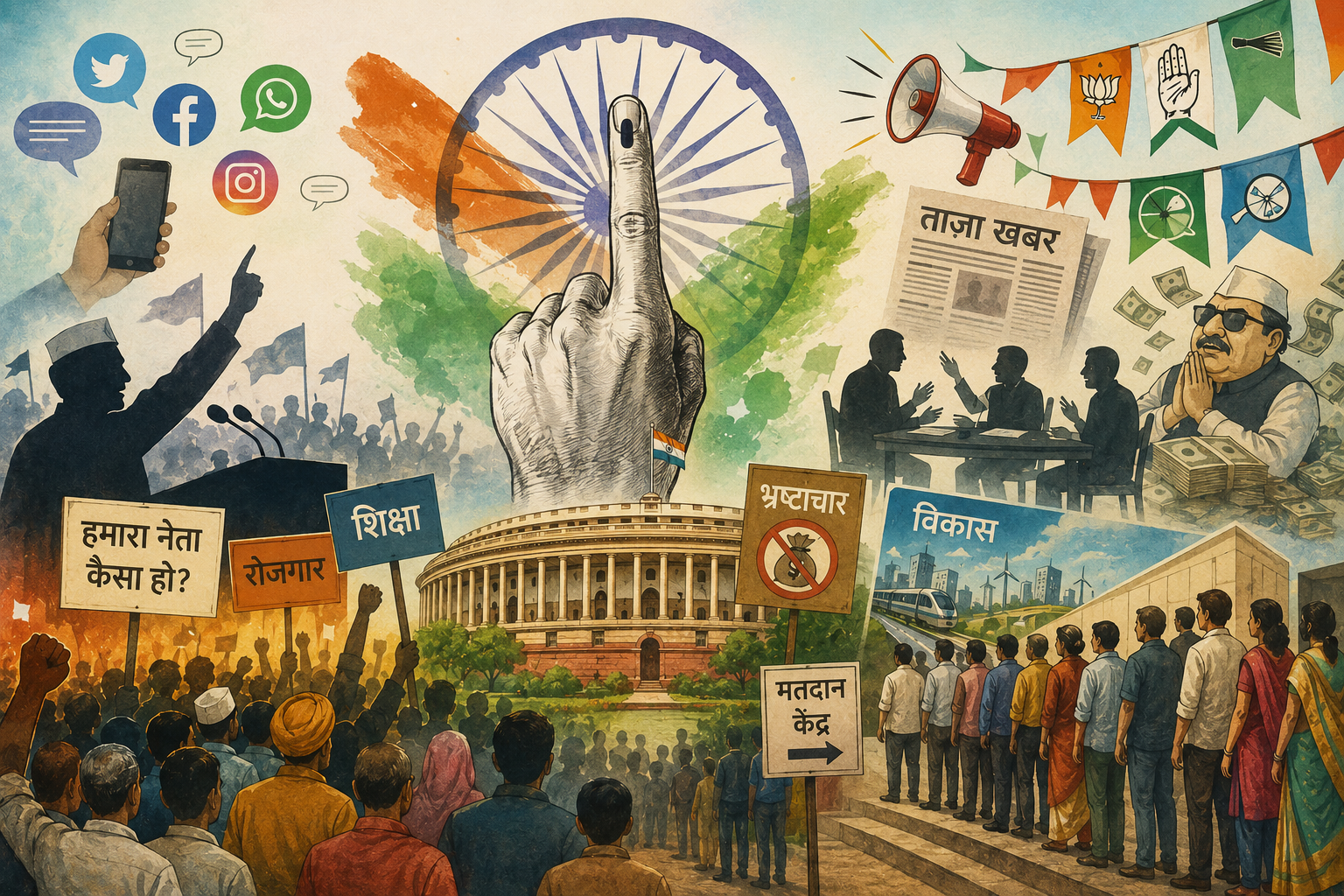
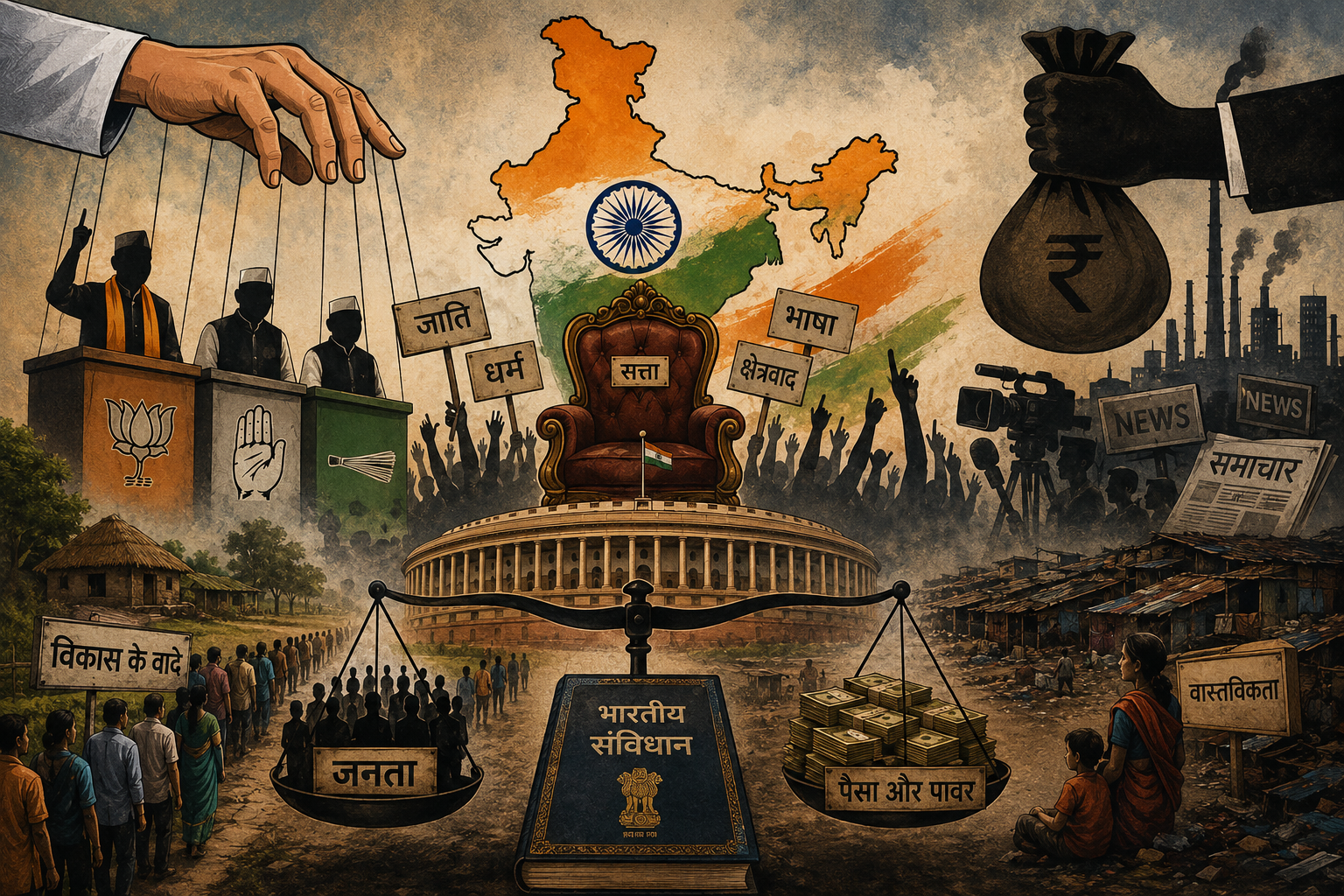
Image: Wikipedia
BNN Summary
Recent allegations of financial irregularities against the Shri Ram Janmabhoomi Teerth Kshetra Trust have sparked intense political debate, testing the Bharatiya Janata Party's core ideological narrative and its commitment to institutional transparency and accountability.
In-Depth Analysis
The construction of the Ram Mandir in Ayodhya stands as the singular most significant achievement for the Bharatiya Janata Party (BJP) in its contemporary political history. It represents the culmination of decades of ideological struggle, grassroots mobilization, and the successful navigation of complex legal terrains. However, recent allegations regarding the financial dealings of the Shri Ram Janmabhoomi Teerth Kshetra Trust—the body tasked with overseeing the temple's construction—have created a precarious political situation for the ruling party.
The Nature of the Allegations
The controversy primarily revolves around claims of inflated land prices and irregularities in real estate transactions conducted by the Trust. Critics and opposition parties have pointed to discrepancies in property valuations, suggesting that land was purchased at prices significantly higher than market rates within suspiciously short timeframes. These accusations have provided political ammunition to those who argue that the sanctity of a project rooted in deep-seated religious sentiment is being compromised by alleged administrative mismanagement and financial impropriety.
Impact on the BJP's Narrative
For the BJP, the Ram Mandir is not merely a construction project; it is the physical manifestation of its 'cultural nationalism' project. By raising questions about the financial integrity of the Trust, the opposition is not just attacking a government-backed entity; they are striking at the heart of the moral authority that the BJP derives from the project. If the image of a 'corruption-free' administration, a key pillar of the party's electoral appeal, is perceived to be tarnished by associations with the Trust, it could create a dissonance among the party's core support base.
Double Standards and Institutional Scrutiny
One of the most potent arguments being utilized by the opposition is the alleged inconsistency in the application of investigative scrutiny. Critics have posited that had such allegations surfaced in a state governed by an opposition party, central agencies like the Enforcement Directorate (ED) would have moved swiftly under the Prevention of Money Laundering Act (PMLA). The relative silence or measured response from these agencies regarding the Trust has led to accusations of a 'crony' institutional culture, where political patronage shields specific entities from the standard rigors of the law.
The Broader Political Landscape
This incident underscores a broader tension in Indian politics: the interplay between religious movements and the machinery of the state. As the temple project enters its final phases, the Trust remains under the spotlight. The BJP must now navigate a delicate balance. On one hand, it must distance itself from the Trust to maintain its own political credibility; on the other hand, it cannot afford to alienate the various stakeholders, including influential religious leaders and trusts, who are integral to the project. The opposition sees this as a rare opportunity to expose what they characterize as the 'hypocrisy' of a party that built its platform on the promise of transparency and ethical governance. Moving forward, the manner in which these allegations are addressed—or ignored—will likely serve as a barometer for the government's commitment to the very principles it claims to uphold as foundational to its governance model.
How do you feel about this story?
Discussion
No comments yet. Be the first to share your thoughts.
Join the discussion
Sign in to share your thoughts on this story.