BNN Summary
The appointment of Gyanesh Kumar as Election Commissioner has sparked intense national debate. Amid concerns regarding the transparency of the selection process and allegations of voter demographic manipulation, the move has drawn significant attention from political analysts and civil society groups regarding the impartiality of India's electoral oversight body.
In-Depth Analysis
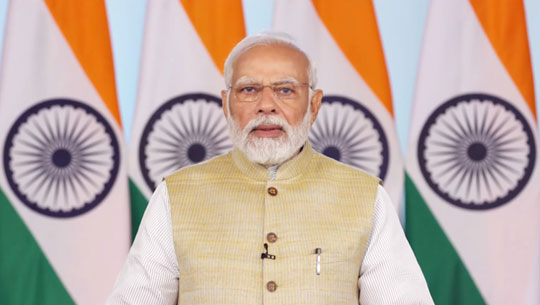
The recent appointment of Gyanesh Kumar as a member of the Election Commission of India has triggered a widespread discourse regarding the integrity and transparency of the nation's democratic institutions. As India moves toward significant electoral cycles, the scrutiny placed upon the Election Commission (EC) has intensified, with civil society leaders and political commentators calling for greater accountability in the selection process of its members.
The Context of the Appointment
Gyanesh Kumar, a former bureaucrat, was appointed to the Election Commission following a selection panel meeting that has been criticized by opposition leaders for a perceived lack of transparency. The process, which is now governed by a new legislative framework, shifted the balance of power in the selection committee, effectively granting the executive branch a more dominant role in choosing the commissioners who oversee the world's largest democratic exercise.
Allegations and Public Discourse
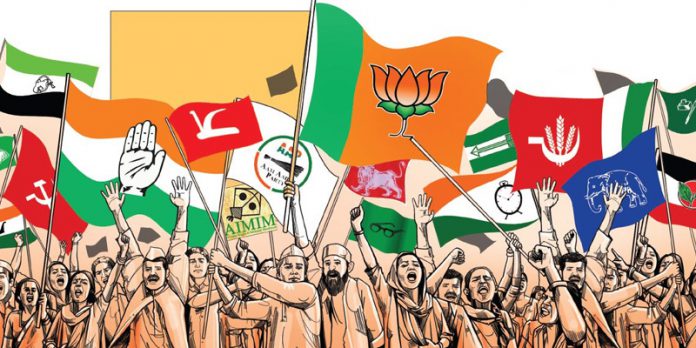
The appointment coincides with heated debates across various media platforms regarding the handling of voter rolls and demographic data. Critics have pointed toward recent controversies involving the alleged deletion of specific voter demographics. These concerns have reached international forums, with questions being raised about the inclusivity of the electoral process and the government's obligation to maintain a neutral and accessible voter registry.
Analysts have noted that the credibility of the Election Commission is the bedrock of Indian democracy. When that credibility is questioned, it creates a ripple effect of instability in public perception. The appointment of Gyanesh Kumar is being viewed through this lens, with many observers questioning whether the new commissioner will prioritize constitutional mandates over political pressures.
Concerns from Legal and Civil Sectors
Beyond the political arena, legal experts have raised questions regarding the procedural changes that allowed for this appointment. There is a prevailing sentiment among some legal scholars that the independence of the EC could be compromised if the selection process is not perceived as bipartisan. The transition from a judicial-heavy selection process to one controlled by the government has prompted calls for judicial intervention to ensure that the spirit of the constitution is upheld.
Furthermore, the operational challenges facing the commission are immense. From managing the logistics of massive voter counts to ensuring the security of electronic voting machines (EVMs), the role requires a level of autonomy that is strictly protected by the constitution. The public discourse suggests that there is a significant 'trust gap' that the newly appointed commission must address if it is to manage upcoming elections without controversy.
Moving Forward
As Gyanesh Kumar settles into his new role, the eyes of the nation remain fixed on how the Election Commission will navigate the complex issues of voter registration, data management, and the enforcement of the Model Code of Conduct. For the commission to regain total public confidence, transparency in its internal proceedings and a clear, non-partisan approach to handling allegations of voter disenfranchisement will be essential. The ongoing debate serves as a stark reminder that in a democracy, the institutions that manage the transition of power must not only be independent but must also be seen as such by the citizens they serve.
How do you feel about this story?
Discussion
No comments yet. Be the first to share your thoughts.
Join the discussion
Sign in to share your thoughts on this story.