BNN Summary
The Bankipur by-election has transformed into a high-stakes arena where the political futures of key Bihar figures, including Nitin Nabin, Samrat Choudhary, and strategist Prashant Kishor, are being rigorously tested against shifting electoral dynamics.
In-Depth Analysis
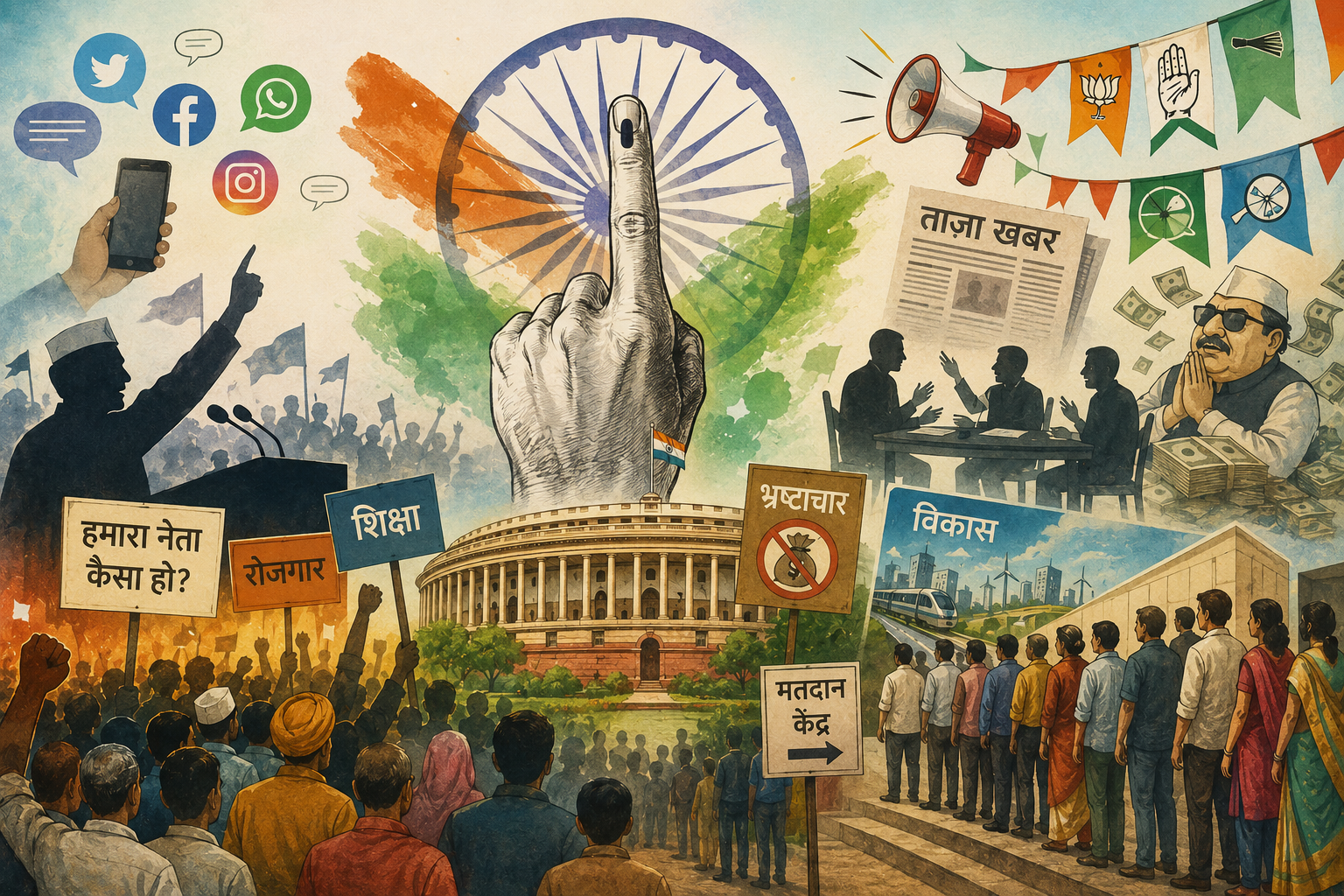
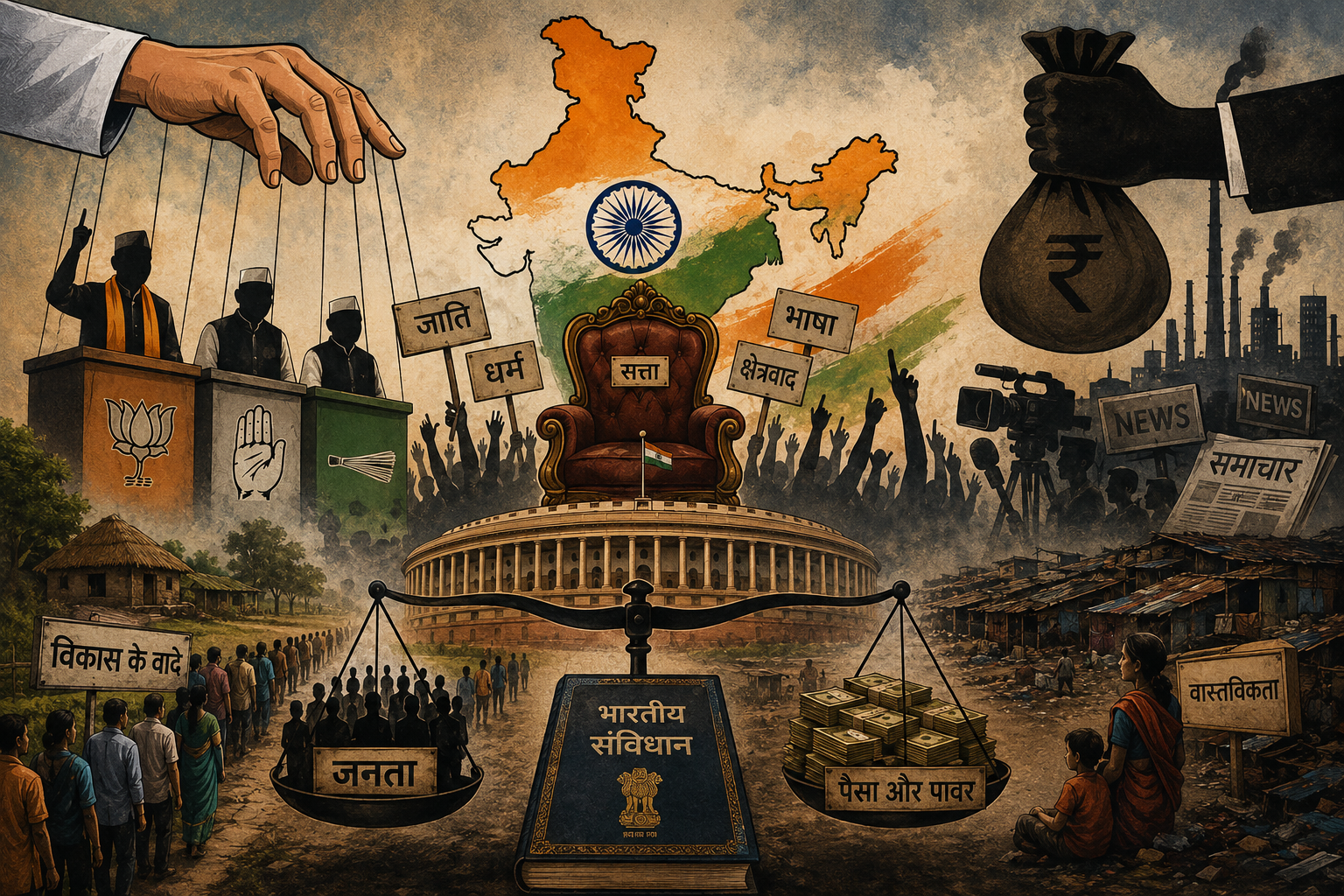
The electoral contest in Bankipur has transcended its status as a routine by-election, evolving into a definitive test of political capital for three of Bihar's most prominent figures. As voters head to the polls, the outcome is expected to serve as a bellwether for the shifting loyalties and strategic realignments currently reshaping the state's political landscape.
The Stakeholders
At the center of this battle is Nitin Nabin, whose political standing is directly tied to the performance of his party in this constituency. For Nabin, this election is not merely about retaining a seat but about consolidating his influence within the regional power structure. A failure to secure a decisive victory could lead to questions regarding his long-term viability as a grassroots leader in an increasingly volatile political environment.
Simultaneously, the election serves as the first major organizational test for Samrat Choudhary. Known for his tactical approach to electoral management, Choudhary has invested significant political capital into ensuring that the party machine functions with maximum efficiency. His ability to mobilize voters and manage internal coalition dynamics will be scrutinized by both supporters and detractors. If the party succeeds in Bankipur, it will bolster his reputation as a formidable strategist capable of delivering results under pressure; conversely, a loss would provide critics with ammunition to challenge his leadership capabilities.
The Challenger's Gambit
Perhaps the most intriguing element of the Bankipur contest is the presence of Prashant Kishor. By framing this by-election as a direct challenge to the status quo, Kishor is attempting to disrupt the traditional electoral arithmetic of Bihar. His campaign strategy, which relies heavily on data-driven voter outreach and an emphasis on systemic change, represents a departure from the identity-based politics that have historically dominated the region.
Analysts suggest that Kishor is using the Bankipur seat as a laboratory for a broader political movement. If his candidates or influence can erode the margins of established parties, it would signal a profound shift in voter sentiment, suggesting that there is a growing appetite for an alternative narrative that prioritizes governance and developmental outcomes over established political patronage.
Broader Implications
Beyond the individual players, the battle for Bankipur reflects a larger anxiety within Bihar's political establishment. The electorate is increasingly sophisticated, and the traditional reliance on loyalist vote banks is being tested by concerns over infrastructure, employment, and local service delivery.
- Shift in Strategy: The move toward professionalized electioneering marks a modernization of political campaigns in the state.
- Voter Engagement: Increased turnout and active discourse suggest a more politically engaged public that is no longer content with status quo politics.
- Legacy Risk: For the seasoned politicians involved, this is a 'zero-sum' game where the narrative of 'political inevitability' is at risk of being dismantled.
As the counting process looms, the results will likely dictate the next phase of alliance negotiations and seat-sharing arrangements in future state elections. The outcome in Bankipur will be interpreted as a mandate on whether the status quo can hold or if the political ground is shifting toward a new, as-yet-undefined era of governance.
How do you feel about this story?
Discussion
No comments yet. Be the first to share your thoughts.
Join the discussion
Sign in to share your thoughts on this story.