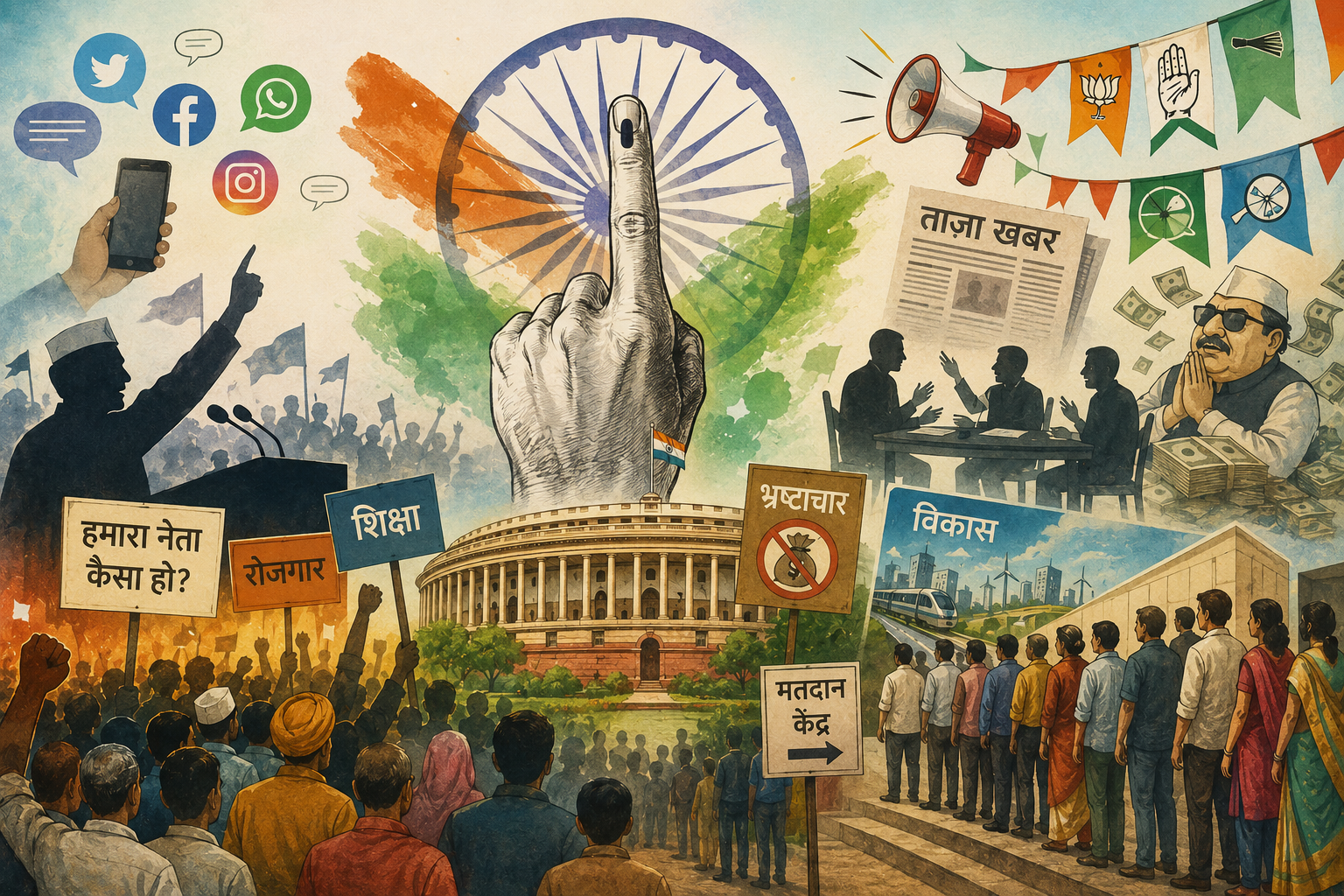
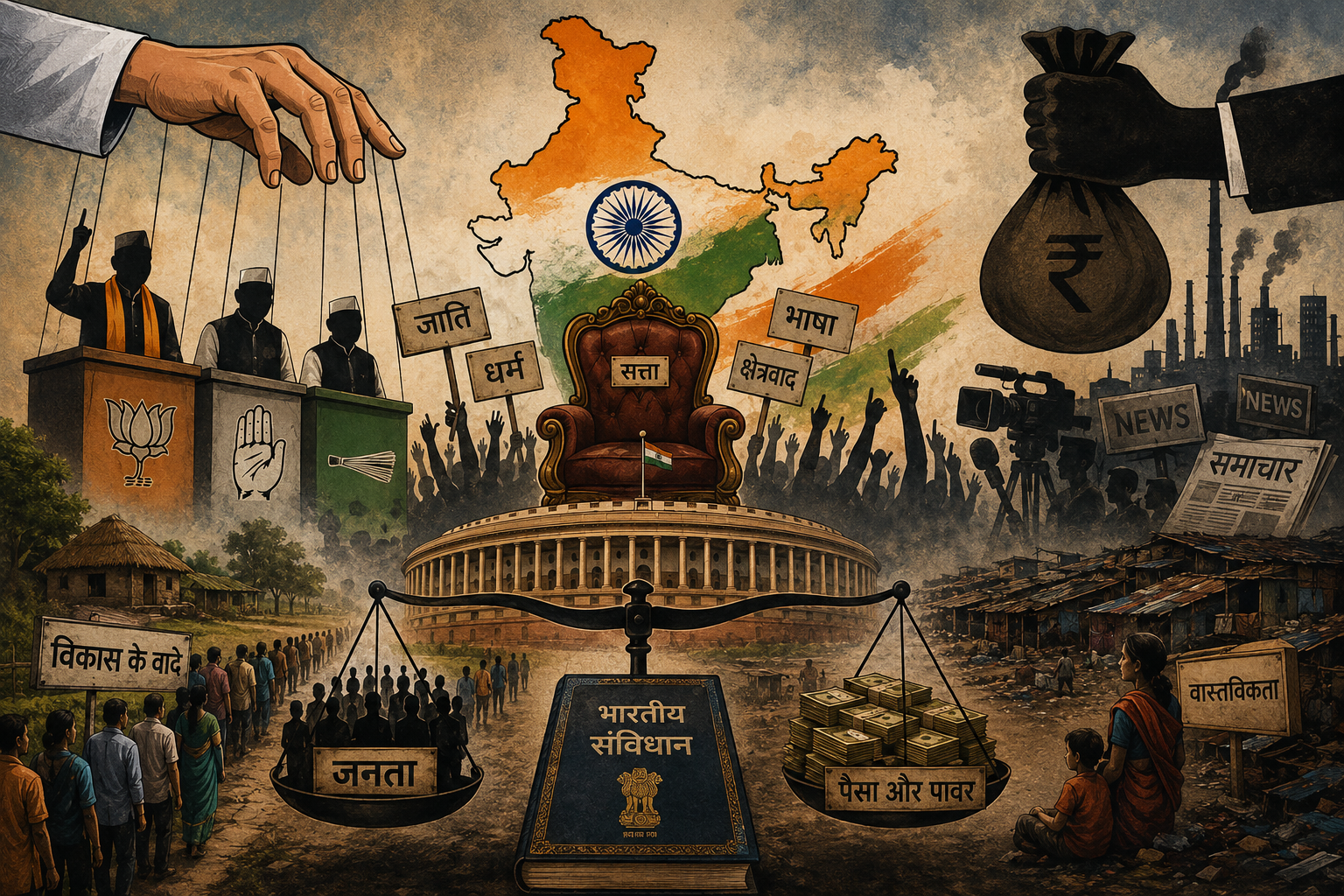
Image: Wikimedia
BNN Summary
The Karnataka High Court has initiated legal proceedings against state and national election bodies regarding the validity of parallel voter registration processes. The court is examining whether separate revision exercises by the State Election Commission and the Election Commission of India infringe upon electoral integrity and constitutional provisions, as petitioners raise concerns over potential discrepancies in ward-level voter rolls in Bengaluru.
In-Depth Analysis
The Karnataka High Court has formally issued notices to both the State Election Commission (SEC) and the Election Commission of India (ECI), as well as the state government, in response to a petition challenging the legitimacy of parallel voter list revisions. The court's intervention comes amid growing concerns regarding the administrative overlap between local civic body voter rolls and the statewide electoral list, a situation that critics argue creates confusion and invites inaccuracies in the democratic process.
The Core Dispute
The central issue revolves around the phenomenon of 'parallel' voter revision exercises. Typically, the ECI is responsible for maintaining electoral rolls for parliamentary and assembly elections, while the SEC oversees the rolls for municipal and local body elections. However, petitioners have argued that in the context of Bengaluru's civic wards, these two constitutional authorities have been conducting registration drives in a manner that lacks synchronization. This disconnect, according to the legal challenge, creates a significant risk of 'electoral exclusion,' where eligible voters may find their names missing from one list while present on the other, or worse, excluded from both due to procedural technicalities.
Legal and Constitutional Implications
Legal experts suggest that the court's scrutiny is likely to focus on the interpretation of the Constitution regarding the separation of powers between the state and central election bodies. The petitioner has highlighted that the State Election Commission's independent efforts to revise voter lists for civic wards often rely on databases that are not fully reconciled with the ECI's master rolls.
Key concerns raised in the petition include:
- Administrative Redundancy: The financial and logistical burden of running two separate, yet overlapping, registration drives.
- Data Discrepancies: Variations in voter data, such as addresses or ward demarcations, between the two commissions, which can lead to voter disenfranchisement.
- Regulatory Conflict: The potential for one commission to invalidate the actions or data entries of the other, leading to a breakdown in electoral management.
Impact on Governance and Welfare
Beyond the mechanics of voting, the accuracy of these lists has direct consequences for citizens. As seen in other states, such as Punjab, where government leaders have recently emphasized that eligible voters must maintain their status on official lists, electoral rolls are frequently used as the primary verification tool for accessing government welfare schemes. If a voter is removed from the list due to an administrative error during a 'revision exercise,' they may lose access to critical subsidies, food security programs, and health benefits.
What Comes Next?
The High Court has mandated that the state and election authorities provide a detailed response explaining the statutory basis for these parallel processes. This response is expected to clarify whether there is a unified policy in place to ensure that the SEC's revisions do not overwrite or contradict the more robust ECI records. If the court finds that the current system is constitutionally flawed, it could lead to a mandatory overhaul of how voter rolls are maintained, potentially forcing a move toward a single, unified electoral database for both state and local elections.
As the legal battle unfolds, local activists in Bengaluru have called for greater transparency in the data entry process, demanding that any deletion or modification of voter details be communicated clearly to the residents involved. The court's next hearing is expected to set a precedent for how decentralized electoral authorities interact in the future.
How do you feel about this story?
Discussion
No comments yet. Be the first to share your thoughts.
Join the discussion
Sign in to share your thoughts on this story.