BNN Summary
The Rashtriya Swayamsevak Sangh (RSS) remains one of India's most influential organizations while maintaining an unconventional legal status. Operating as a 'body of individuals' rather than a registered entity, the RSS avoids traditional regulatory frameworks, sparking ongoing debate regarding its tax obligations, transparency, and the nature of its influence over the ruling Bharatiya Janata Party (BJP).
In-Depth Analysis
For over a century, the Rashtriya Swayamsevak Sangh (RSS) has occupied a unique and powerful position in the socio-political landscape of India. Founded in 1925 by K.B. Hedgewar, the organization has grown from a local initiative into a massive ideological conglomerate that claims millions of members. Despite its extensive network of affiliates, schools, and social welfare programs, the RSS maintains a paradoxical legal status: it is not a registered organization under the Societies Registration Act or any other corporate framework, leading to persistent questions from legal experts, political analysts, and the general public.
The 'Body of Individuals' Defense
The central argument put forth by the RSS leadership is that the organization is not a corporate body or an association that requires legal incorporation. Instead, they define the RSS as a 'body of individuals'. By characterizing itself in this manner, the organization argues that it does not function as a legal person under the eyes of the law, thereby exempting it from the requirements placed upon non-governmental organizations, trusts, or charitable societies. This status allows the RSS to operate without submitting formal annual financial audits or transparency reports to the Registrar of Societies.
Financial Implications and Tax Status
Because the RSS is not a registered entity, it does not file income tax returns in the same way that standard NGOs or political parties do. Critics argue that this creates a lack of accountability concerning how the organization manages its substantial assets and donations. The RSS maintains that it does not have a formal 'membership fee' or a centralized treasury that functions like a corporate bank account. Instead, it relies heavily on the 'Guru Dakshina' practice, where volunteers offer voluntary contributions to the organization annually.
Legal scholars have often noted that this creates a 'gray zone' in Indian administrative law. While the organization is undeniably structured with a hierarchical leadership, branches (shakhas), and specific ideological goals, it effectively bypasses the regulatory scrutiny that usually accompanies such a vast operation. By maintaining the status of a loose collective, the RSS avoids the risk of government interference, dissolution, or audits that a registered society would inevitably face.
Political Influence and the BJP Nexus
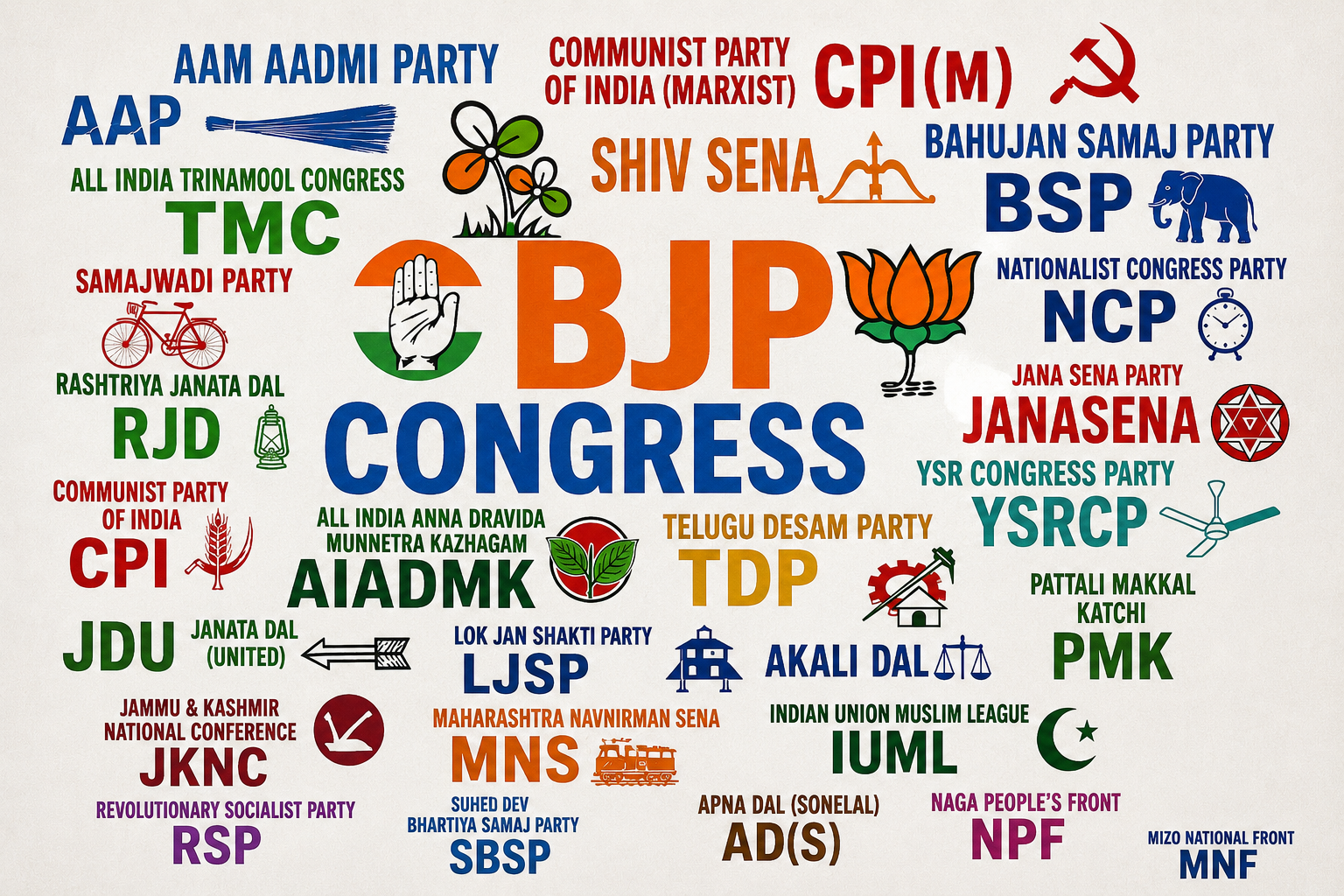
The ambiguity surrounding the RSS status becomes particularly complex when considering its role as the ideological fountainhead of the Bharatiya Janata Party (BJP). As the parent organization of the ruling party, the RSS provides the core ideological support and, on many occasions, the personnel that populate the corridors of power. This symbiotic relationship raises questions about the intersection of institutional power and informal organizational structures. When a group holds such significant sway over national policy and government administration, critics suggest that the lack of registration represents a failure in democratic transparency.
Legal and Constitutional Challenges
Over the years, various petitions have surfaced in Indian courts questioning the legality of an unregistered body wielding such significant social and political influence. However, the organization has consistently navigated these challenges by pointing to the fundamental rights provided by the Indian Constitution, specifically the right to assemble and associate. The RSS maintains that as long as it operates within the framework of the law as an informal group of like-minded citizens, there is no mandate to register.
As the organization moves into its second century of operation, the debate over its structure is unlikely to fade. Whether this unconventional approach to institutional existence is a deliberate strategy for autonomy or a reflection of its foundational commitment to a non-hierarchical, grass-roots philosophy remains a subject of intense academic debate. Ultimately, the 'body of individuals' classification serves as a cornerstone of the RSS identity, preserving its ability to shape the national discourse while remaining legally detached from the conventional definitions of an establishment.
How do you feel about this story?
Discussion
No comments yet. Be the first to share your thoughts.
Join the discussion
Sign in to share your thoughts on this story.