BNN Summary
The Bharatiya Janata Party has leveraged remarks attributed to the late President Pranab Mukherjee regarding dynastic politics to criticize the Congress party. In response, the Congress has dismissed the BJP's narrative as opportunistic distortion, sparking a heated debate over historical political legacies and contemporary governance.
In-Depth Analysis
Afierce political controversy has emerged following claims made by Sharmistha Mukherjee, the daughter of the late President of India, Pranab Mukherjee, regarding her father's views on the influence of dynastic politics within the Indian National Congress. The Bharatiya Janata Party (BJP) has seized upon these revelations, utilizing them as a strategic weapon to sharpen its critique of the opposition's long-standing leadership structures.
The Source of the Contention
The discourse stems from reflections shared by Sharmistha Mukherjee, who has recently engaged in public discussions regarding her father's intellectual and political observations. She suggested that Pranab Mukherjee, a veteran statesman and a titan of the Congress party, held critical views concerning the internal mechanisms of his party, particularly the transition from institutional democracy to dynastic dominance. For the BJP, this commentary serves as validation for their 'Congress-mukt Bharat' (Congress-free India) slogan, positioning them as the champions of meritocracy against what they characterize as the 'entitled' family-run legacy of the Nehru-Gandhi lineage.
BJP's Strategic Offensive
BJP spokespersons have been vocal in their support, arguing that even the most loyal stalwarts of the Congress party recognized the rot caused by dynastic politics. By aligning the late President's reputation with their critique, the BJP aims to delegitimize the current Congress leadership. They argue that the late President, known for his deep constitutional knowledge and commitment to parliamentary traditions, was ultimately disillusioned by the lack of internal democracy within the party he served for decades.
Congress Strikes Back
The Congress party has hit back with equal intensity. Senior leaders within the party have labeled the BJP's narrative as a 'malicious distortion' of history. They contend that the BJP is cherry-picking select anecdotes to further its own divisive agenda while ignoring the significant contributions made by the Mukherjee-Gandhi alliance to the building of modern India. Congress representatives have accused the ruling party of attempting to insult the memory of a leader who remained a lifelong loyalist, describing the BJP's current maneuvers as an act of political desperation.
Implications for Political Discourse
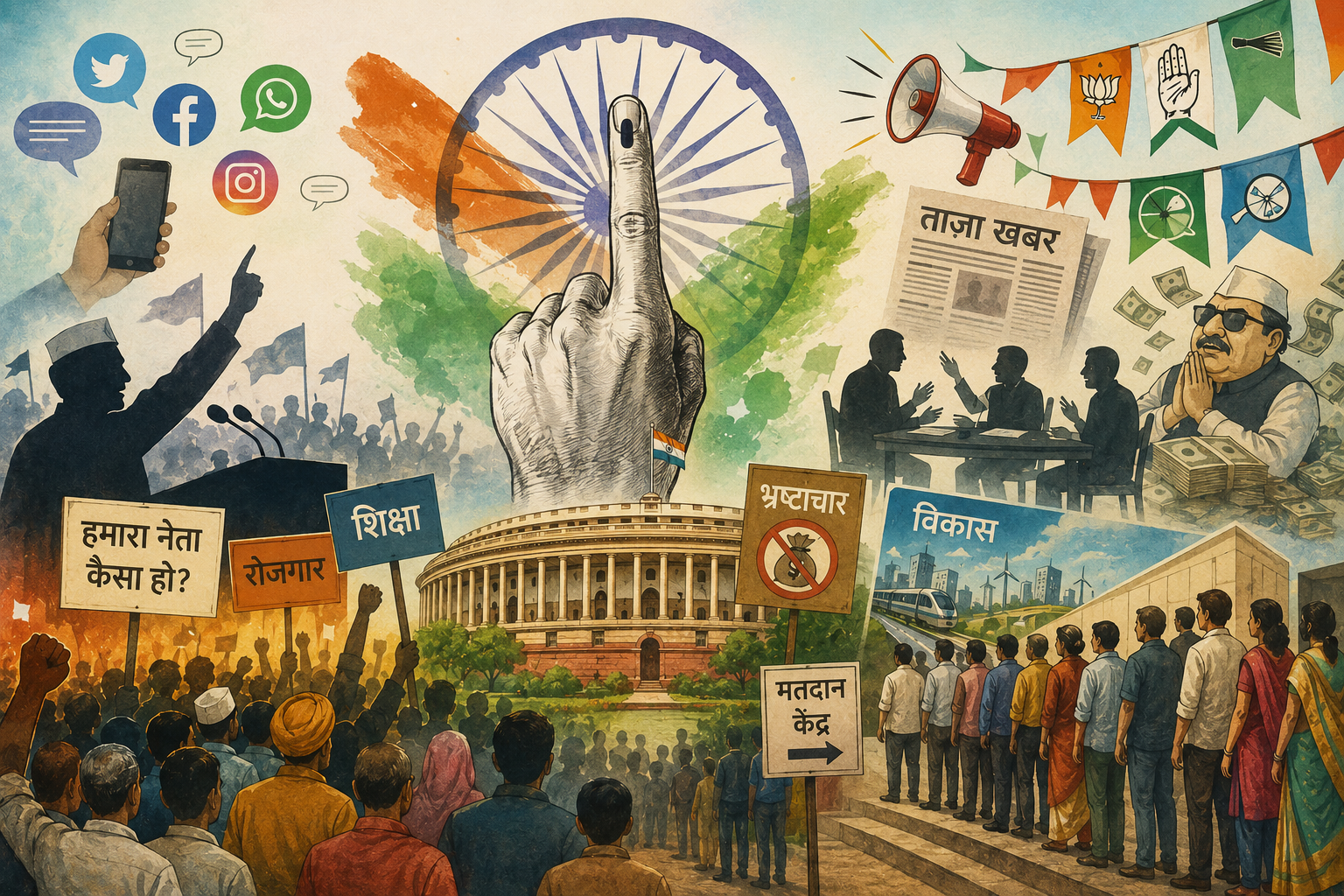
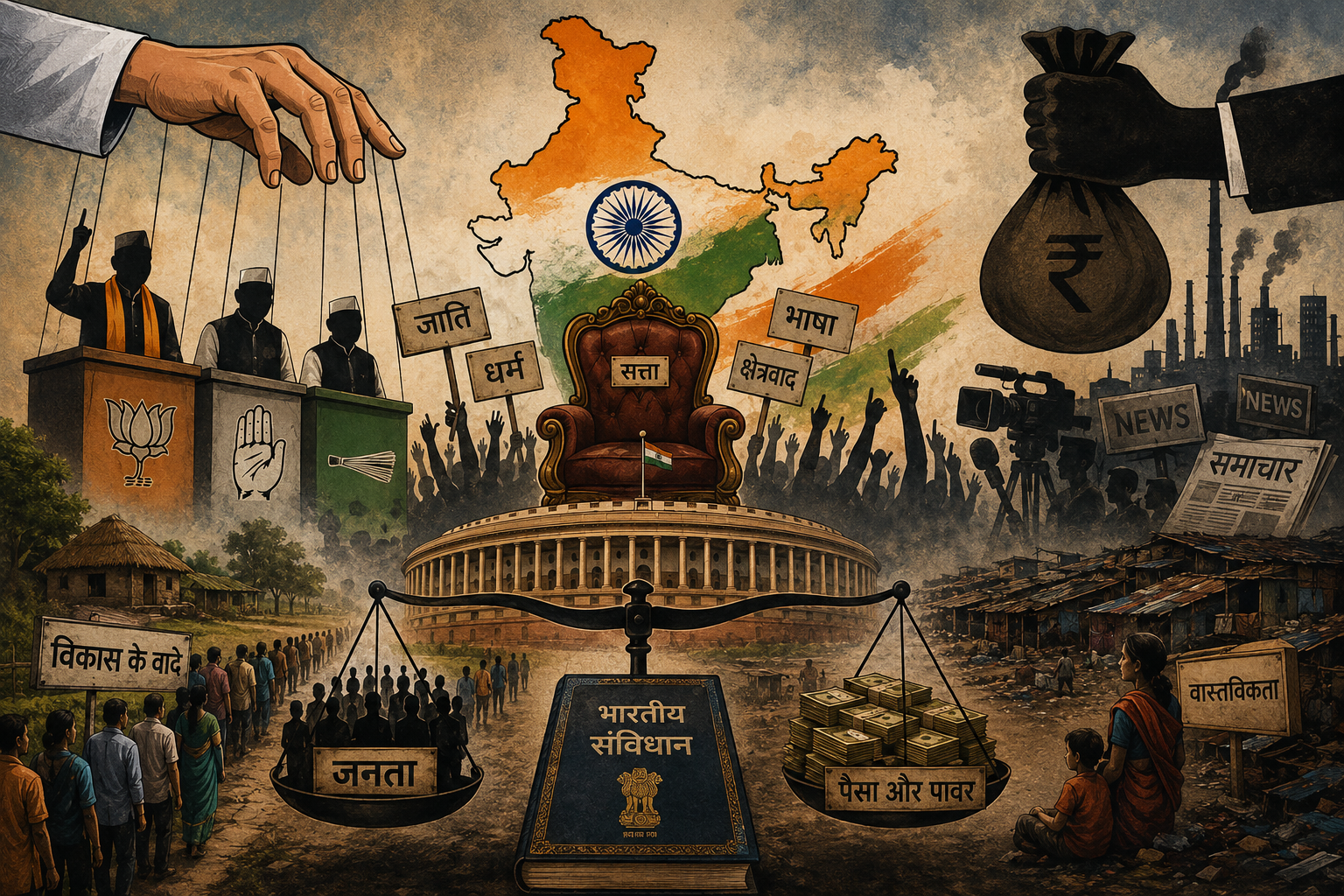
This debate highlights a deeper, systemic divide in Indian politics. On one hand, the BJP continues to focus on 'New India' values, emphasizing individual performance over inherited stature. On the other, the Congress remains entrenched in defending its institutional history, framing the BJP's focus on family politics as an attempt to distract voters from pressing economic and social issues like inflation, unemployment, and regional instability.
Analysts suggest that while the debate over 'dynasty vs. merit' is a perennial feature of the Indian electoral landscape, the invocation of late President Mukherjee represents a shift toward weaponizing the legacies of historical figures. Whether this rhetoric will influence the electorate or merely reinforce existing partisan divides remains to be seen, but it has undoubtedly reignited a contentious debate regarding the nature of democratic governance in the nation.
How do you feel about this story?
Discussion
No comments yet. Be the first to share your thoughts.
Join the discussion
Sign in to share your thoughts on this story.