BNN Summary
The Trinamool Congress (TMC) faces an unprecedented crisis following its 2026 electoral defeat in West Bengal, marked by significant internal rebellions among its MLAs and MPs. This turmoil, largely directed against Abhishek Banerjee, highlights the party's structural vulnerabilities rooted in a lack of clear ideology and a patronage-based political model. The situation offers crucial lessons for other regional parties navigating India's evolving political landscape.
In-Depth Analysis
The political landscape of West Bengal has been dramatically reshaped as the Trinamool Congress (TMC), once a dominant force, confronts a profound internal crisis following its defeat in the 2026 West Bengal Assembly elections. This unravelling, which ended the party's 15-year rule, presents a critical case study for other regional parties across India on the perils of centralized leadership, ideological ambiguity, and unchecked patronage.
The immediate aftermath of the electoral setback saw a stunning display of dissent within the TMC's legislative ranks. A significant majority of the party's 80 Members of Legislative Assembly (MLAs), reportedly 58, openly defied the leadership of Mamata Banerjee. They took the extraordinary step of selecting their own Leader of Opposition, Ritabrata Banerjee, in the West Bengal Assembly, rather than accepting the party's official choice. This move signaled a deep and visible fracture within the party's core legislative body.
The rebellion was not confined to the state assembly. The TMC's parliamentary representation also experienced a significant split. Approximately 20 of the party's 28 Lok Sabha members have reportedly opted to ally with the Bharatiya Janata Party (BJP)-led National Democratic Alliance (NDA) or merged with a lesser-known outfit, the Nationalist Citizens Party of India (NCPI), to support the NDA. Veteran MP Kakoli Ghosh Dastidar was cited in reports as revealing this shift, further underscoring the systemic breakdown within the party.
A key target of this widespread revolt is Abhishek Banerjee, Mamata Banerjee's nephew and the party's national general secretary. Rebel factions from both the MLA and MP groups have explicitly blamed Abhishek's 'high-handed leadership,' 'inaccessibility,' and 'arrogance' as primary drivers for their defiance. This internal conflict highlights a growing discontent with the perceived centralization of power and decision-making within a narrow circle, particularly alienating senior party veterans who feel sidelined.
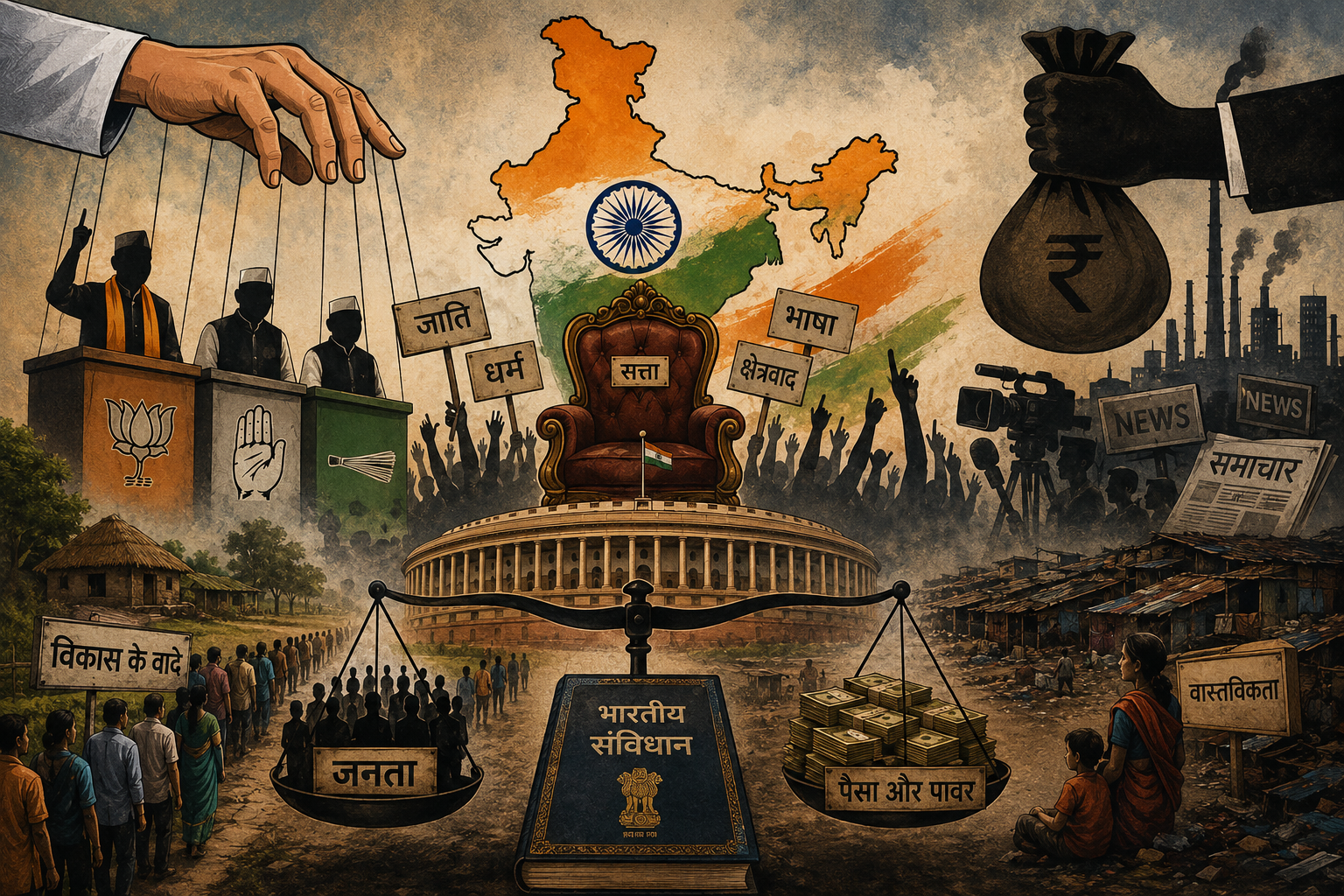
Political analysts suggest that the TMC's current predicament stems from a political model built more on 'cult leadership,' 'welfare populism,' and an 'anti-Left sentiment' than on a robust ideological foundation. The party's sustained grip on power for 15 years was largely attributed to Mamata Banerjee's adept dispensation of patronage and economic benefits to loyalists. This system fostered 'franchisee politics,' where local strongmen leveraged 'brand Mamata' to build their territorial influence. Once the party lost power, the 'glue' of patronage and power dissolved, exposing the underlying structural weaknesses.
Compounding the internal dissent are mounting corruption allegations that plagued the TMC's rule. Reports indicate instances of local leaders allegedly returning money to residents after being accused of demanding cash for housing benefits under the Pradhan Mantri Aas Yojna. This rampant corruption during the TMC's tenure is cited as a significant factor contributing to its electoral defeat and the erosion of public trust.
The crisis has even extended to the party's financial assets, reportedly worth over ₹1,081.78 crore as of the 2024-25 audit report. In a dramatic development, 'party treasurer' Aroop Biswas has reportedly sought to freeze the party's bank accounts, citing uncertainty over legitimate leadership amidst the ongoing rebellions. This move foreshadows potential legal battles over the party's name, symbol, and significant financial resources.
The unravelling of the TMC carries profound implications for the broader Indian political landscape. The Bharatiya Janata Party (BJP) is widely expected to be the primary beneficiary of this crisis, consolidating its position in West Bengal. For historically dominant forces like the Left and the Congress, which were marginalized during Mamata Banerjee's ascent, the TMC's troubles present a complex challenge and potential opportunity. Ultimately, the TMC's struggle for survival, marked by a critical lack of introspection from its top leadership, serves as a stark warning to other regional parties: that electoral success built on personality and patronage, without a strong ideological core and robust internal democratic processes, can quickly crumble once the levers of power are lost.
How do you feel about this story?
Discussion
No comments yet. Be the first to share your thoughts.
Join the discussion
Sign in to share your thoughts on this story.