BNN Summary
Former minister Kumar Bangarappa has strongly criticized the Bharatiya Janata Party (BJP) for its perceived failure as an effective opposition force in Karnataka. Bangarappa attributed this shortcomings to what he termed 'adjustment politics,' suggesting a lack of robust challenge to the ruling government. His remarks highlight growing concerns over the dynamics of political opposition within the state, prompting scrutiny of the BJP's strategy and commitment to its legislative duties.
In-Depth Analysis
Former minister Kumar Bangarappa launched a scathing critique of the Bharatiya Janata Party's (BJP) performance as an opposition party in Karnataka, asserting that the party has demonstrably failed to fulfill its crucial role. Speaking on Saturday, Bangarappa attributed this perceived ineffectiveness to what he termed 'adjustment politics,' a phrase that implies a tacit understanding or lack of aggressive confrontation with the ruling dispensation, rather than a robust adversarial stance.
Bangarappa's comments bring to the forefront a persistent debate within Karnataka's political landscape regarding the vigor and independence of opposition parties. In a democratic system, a strong opposition is vital for holding the government accountable, scrutinizing policies, and representing alternative viewpoints. It acts as a check and balance, ensuring transparency and preventing potential excesses of power. According to Bangarappa, the BJP, despite its significant presence in the state assembly, has fallen short of these fundamental expectations.
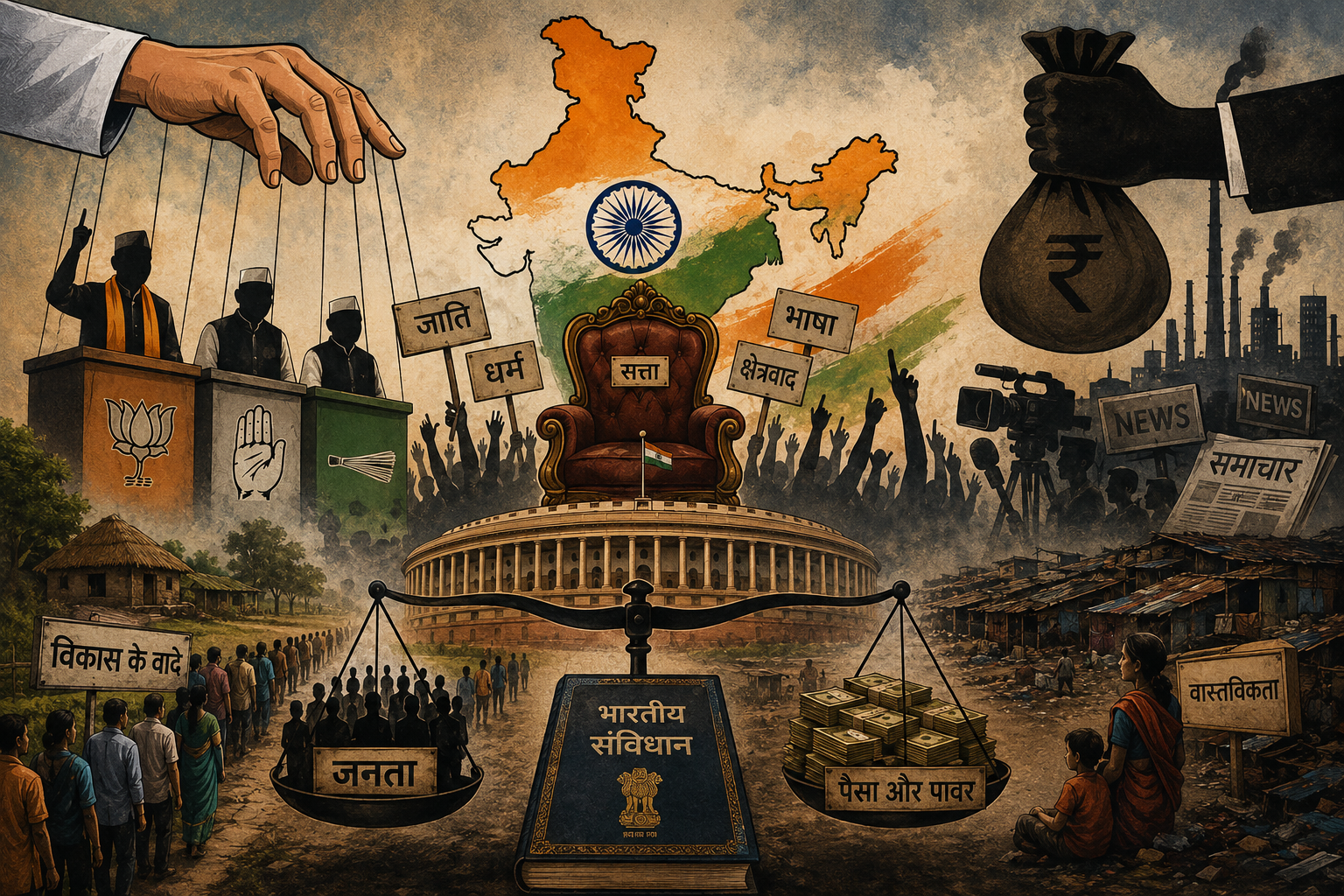
The concept of 'adjustment politics' often suggests a scenario where an opposition party, for various reasons, avoids direct or sustained confrontation with the ruling party. This could stem from a variety of factors, including internal party dynamics, external pressures, or even perceived long-term strategic calculations that prioritize cooperation over conflict. However, critics argue that such an approach undermines the very essence of an opposition's mandate, which is to articulate public grievances, expose governmental flaws, and provide a credible alternative.
Historically, Karnataka has witnessed periods of intense political rivalry and vibrant opposition. Various parties have, at different times, effectively utilized their position to corner governments on issues ranging from corruption to administrative inefficiencies. The expectation from the electorate, therefore, is a proactive and vocal opposition that is unafraid to challenge the status quo. Bangarappa's remarks suggest a growing sentiment that the current BJP leadership in Karnataka has not lived up to this historical standard.
His criticism also opens avenues for introspection within the BJP itself. If the party is indeed perceived as engaging in 'adjustment politics,' it could lead to disillusionment among its own cadre and voters who expect a more assertive stance. For any political party, maintaining its identity and credibility as an opposition force is crucial for its long-term electoral prospects and its ability to inspire confidence among the populace. A muted opposition can inadvertently strengthen the ruling party's hand and diminish democratic discourse.
Furthermore, the allegations of 'adjustment politics' can fuel public cynicism about the political process, leading to a perception that political parties are more interested in self-preservation or hidden agendas than in serving the public interest. Bangarappa, having served as a minister and holding considerable political experience, brings a significant voice to this discussion, making his observations particularly noteworthy.
As the political landscape in Karnataka continues to evolve, the BJP will undoubtedly face pressure to address these criticisms and demonstrate a more assertive and independent role as the principal opposition. The efficacy of an opposition party is often measured not just by its electoral victories but by its consistent performance in upholding democratic principles and ensuring governmental accountability between elections. Bangarappa's statement serves as a potent reminder of these fundamental responsibilities.
How do you feel about this story?
Discussion
No comments yet. Be the first to share your thoughts.
Join the discussion
Sign in to share your thoughts on this story.