BNN Summary
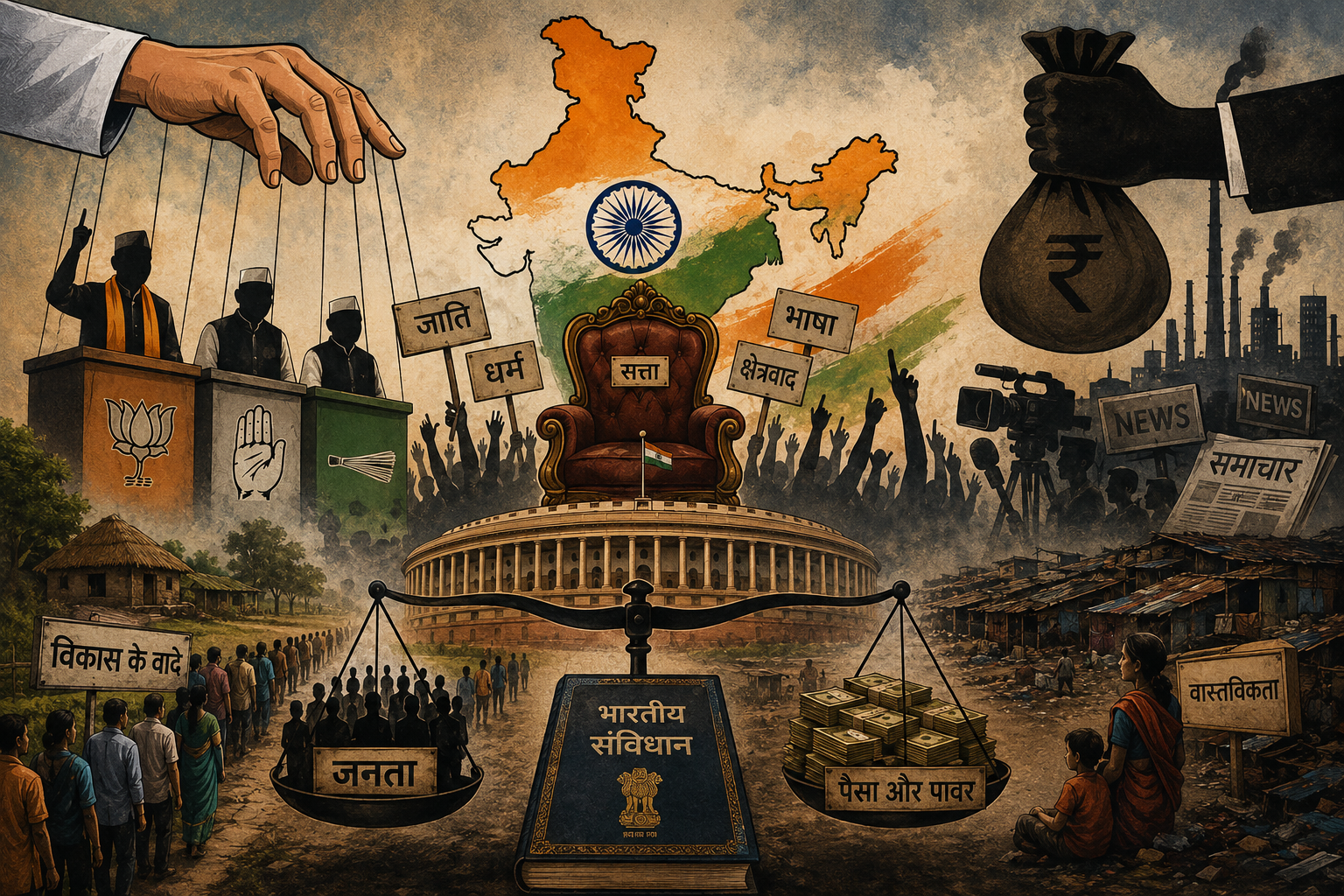
Amidst the Bharatiya Janata Party's formidable electoral success, the INDIA bloc has emerged as a crucial opposition alliance. Its primary challenge lies not in eradicating the inherent differences among its diverse constituents, but in effectively managing them. Comprising various regional and national parties, the bloc aims to consolidate opposition votes and present a united front to ensure a robust democratic discourse in India, despite significant internal and external hurdles.
In-Depth Analysis
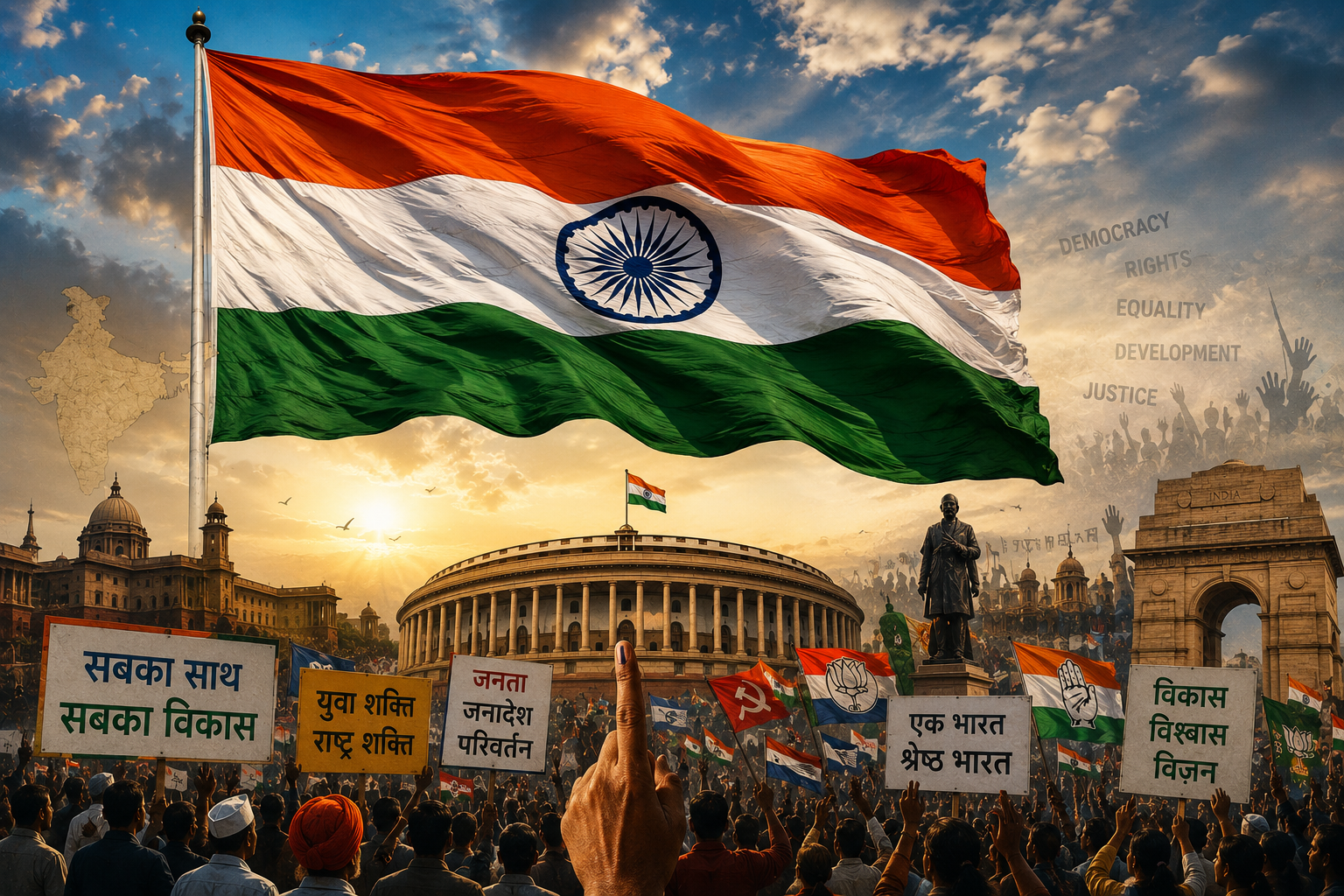
In the contemporary landscape of Indian politics, the Bharatiya Janata Party (BJP) has established a formidable presence, marked by successive electoral victories and a consolidated ideological base. This era of BJP dominance has necessitated the emergence of a substantial opposition force, leading to the formation of the Indian National Developmental Inclusive Alliance, popularly known as the INDIA bloc. The alliance, a diverse coalition of numerous regional and national parties, stands as the primary vehicle attempting to challenge the ruling party's unchallenged sway over the nation's political narrative and electoral outcomes.
The central conundrum confronting the INDIA bloc is a nuanced one: it is not about the elimination of differences among its varied constituents, but rather the strategic and effective management of these disparities. The alliance brings together parties with distinct regional aspirations, differing historical rivalries, and sometimes even conflicting ideological stances. For instance, parties that have historically been adversaries in state-level politics must now find common ground on a national platform. This requires an extraordinary degree of political maturity, negotiation, and a shared vision that transcends localized interests in favor of a larger national objective.
The BJP's dominance is multifaceted, rooted in a strong organizational machinery, charismatic leadership, and a consistent electoral performance that has seen it expand its footprint across traditionally challenging territories. Its ability to project a singular, powerful narrative has often left the opposition fragmented and struggling to present a cohesive alternative. In this context, the INDIA bloc's very existence and its sustained efforts to coalesce disparate forces highlight its critical importance for India's democratic health.
Strategically, the bloc aims to achieve several key objectives. Foremost among these is the consolidation of opposition votes. In India's first-past-the-post electoral system, a fragmented opposition vote often works to the advantage of the largest single party. By forming a united front, the INDIA bloc seeks to minimize vote splitting, thereby increasing the chances of its candidates against the BJP across a wider range of constituencies. This electoral arithmetic is a powerful motivator for parties to overcome their differences.
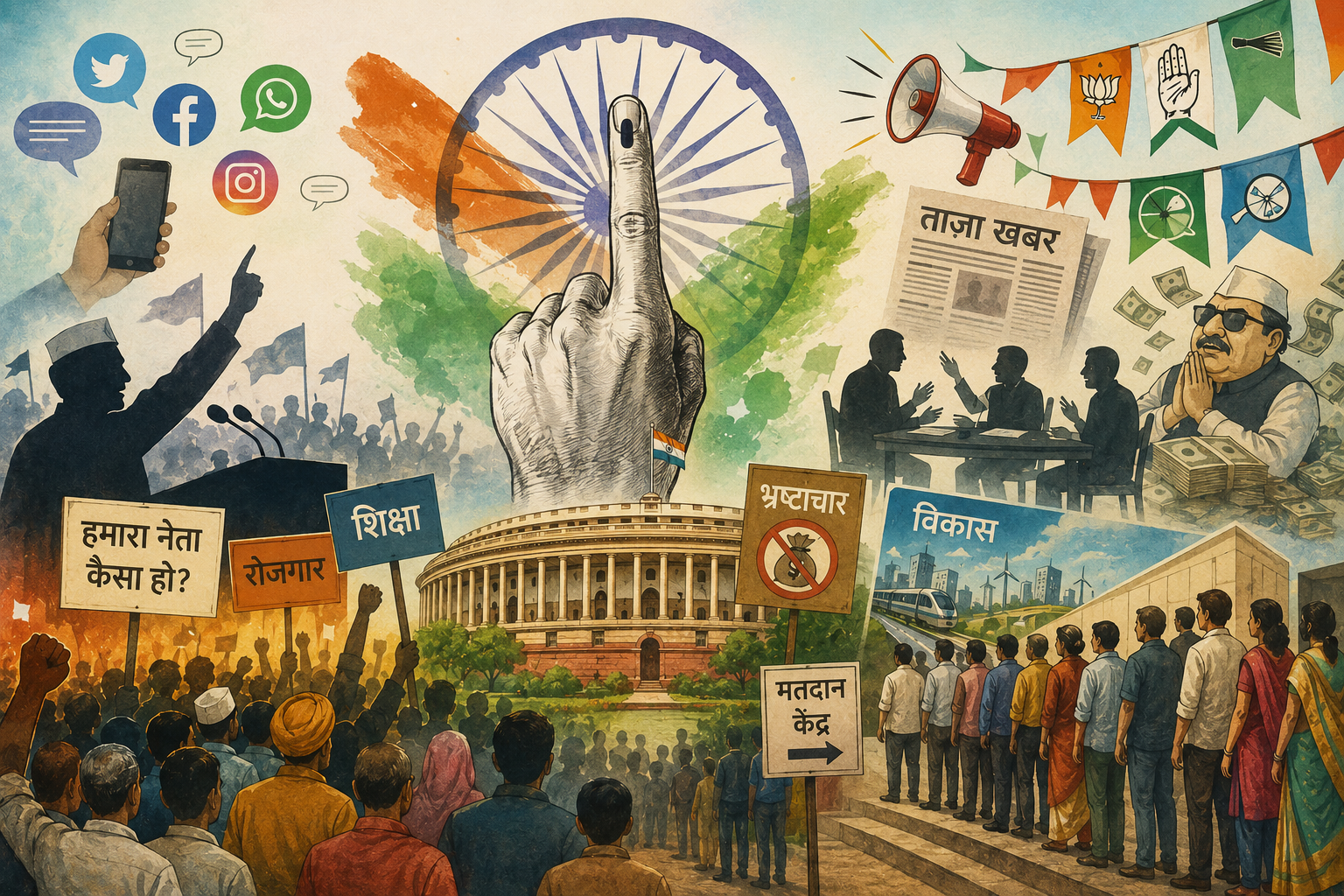
Beyond electoral calculations, the INDIA bloc is crucial for fostering a vibrant democratic debate. It provides a platform for a counter-narrative, challenging the government on critical policy issues, economic performance, social justice, and institutional integrity. This alternative voice is vital for holding the government accountable and ensuring that diverse perspectives are represented in national discourse. Each constituent party brings its regional strengths and unique perspectives, enriching the alliance's overall ability to connect with different segments of the electorate.
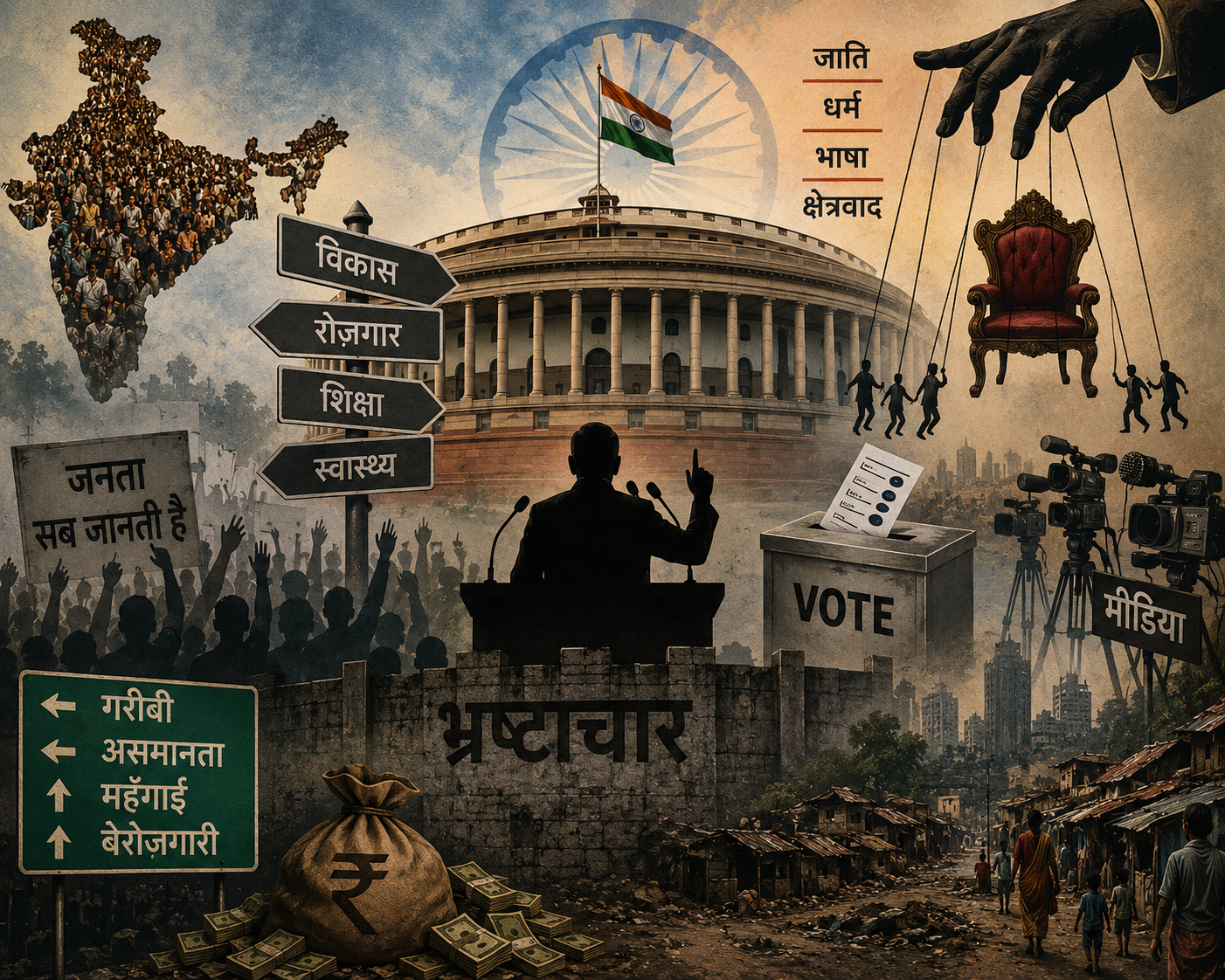
However, the path ahead for the INDIA bloc is fraught with significant obstacles. Key among these are the complex seat-sharing negotiations, which have historically been a major point of friction and often led to the collapse of past alliances. Deciding which party will contest which seat, especially in areas where multiple bloc members have a strong presence, requires delicate balancing acts and compromises. Furthermore, the question of leadership – who will be the face of the alliance and its potential prime ministerial candidate – remains a perennial challenge that can fuel internal rivalries and undermine unity.
The alliance also faces the challenge of convincing the electorate that it offers a stable and viable alternative, not merely a transient grouping of convenience. Overcoming public perception, often influenced by the narrative of a 'motley crew' propagated by the ruling party, requires consistent messaging, demonstrable unity, and a clear, forward-looking agenda. The ability to present a cohesive vision for India's future that resonates with a broad base of voters will be paramount to its success.
In conclusion, the INDIA bloc's significance in an era of pronounced BJP dominance cannot be overstated. Its relevance stems not from a utopian vision of eliminating all internal differences, but from its practical commitment to managing and leveraging its inherent diversity. By striving to unite various political entities under a common banner, the INDIA bloc seeks to ensure a robust opposition, consolidate democratic checks and balances, and present a credible alternative to the current political trajectory, thereby playing a pivotal role in shaping India's democratic future.
How do you feel about this story?