BNN Summary
Congress leader Meenakshi Natarajan's nomination for the Rajya Sabha elections has been rejected, prompting strong accusations of Bharatiya Janata Party (BJP) influence. A high-level Congress delegation attempted to meet the Election Commission in New Delhi to protest the decision but was reportedly denied entry. Natarajan has labeled the rejection an act of 'dictatorship', escalating the political tensions surrounding the upcoming polls. The party vows further action against what it perceives as an undemocratic move.
In-Depth Analysis
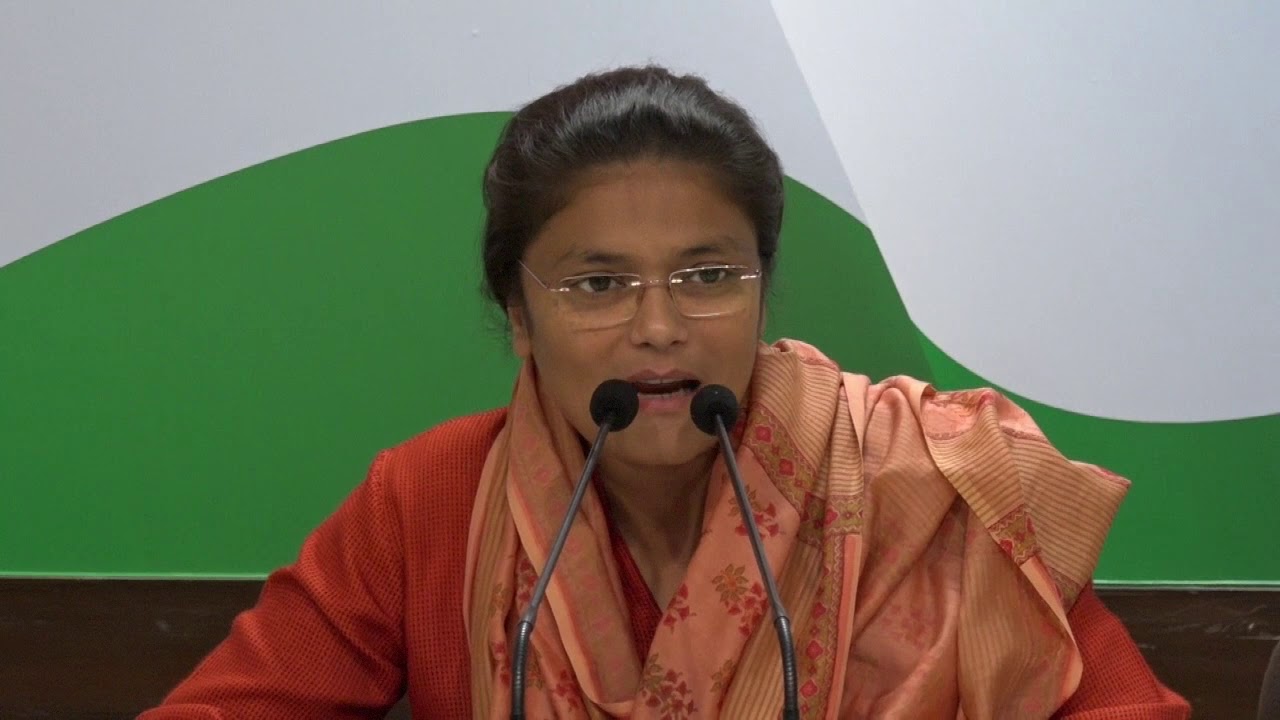
In a significant development that has ignited a political firestorm, Congress leader Meenakshi Natarajan's nomination for the upcoming Rajya Sabha elections was rejected on Tuesday, leading to immediate and vehement accusations against the Bharatiya Janata Party (BJP). Natarajan, a prominent figure within the Congress, publicly stated that the rejection was a clear attempt by the BJP to influence the Rajya Sabha election process. This incident has swiftly escalated political tensions, with the Congress party mobilizing to challenge the decision.
Following the unexpected rejection, a top-tier delegation from the Congress party swiftly mobilized, making their way to the office of the Election Commission of India (ECI) in New Delhi late on Tuesday night. Their objective was to formally submit a petition protesting the rejection of Natarajan's nomination. However, in a turn of events that further fueled the Congress's outrage, the delegation was reportedly denied entry to the ECI premises, preventing them from lodging their official complaint at that hour. This denial of access has added another layer of controversy to an already contentious situation, with Congress leaders expressing profound disappointment and questioning the transparency and accessibility of electoral bodies during critical periods.
Meenakshi Natarajan herself did not mince words in her reaction to the rejection. Speaking to the media, she vehemently condemned the decision, characterizing it as an act of 'dictatorship'. Her strong statement underscores the gravity with which the Congress views this development, suggesting a belief that the electoral process is being undermined by partisan forces. The party sees this rejection not merely as an administrative oversight but as a deliberate political maneuver designed to weaken its position in the upper house of Parliament.
The Rajya Sabha elections are crucial for political parties as they determine the composition of India's upper legislative chamber. The rejection of a nomination, especially of a prominent candidate like Natarajan, can significantly alter electoral dynamics and outcomes. Such incidents often trigger intense scrutiny of the ECI's procedures and the political environment in which elections are conducted. The Congress party's swift response, including the attempt to approach the ECI, highlights the perceived importance of this particular nomination and the potential ramifications of its rejection.
The role of the Election Commission of India is to ensure free and fair elections, and its decisions regarding nominations are typically based on adherence to electoral laws and specified criteria. Any allegation of political interference in its functioning raises serious concerns about the integrity of the democratic process. The Congress's accusation that the BJP is attempting to influence the election puts the ECI under considerable pressure to provide a clear and transparent explanation for the rejection of Natarajan's nomination, particularly given the strong allegations made by the aggrieved candidate and her party.
As the situation unfolds, it is anticipated that the Congress party will pursue all available avenues to challenge the ECI's decision, which may include further representations to the Commission, legal action, and increased public campaigning on the issue. The party's leadership is likely to hold press conferences and rallies to galvanize public opinion against what they perceive as an attack on democratic principles. This incident is set to become a focal point of political discourse in the coming days, potentially influencing the broader narrative surrounding the Rajya Sabha elections and the state of democratic institutions in India. The BJP, meanwhile, is expected to either defend the ECI's decision as a matter of due process or issue a denial of any involvement in influencing the nomination rejection, depending on its strategic considerations. This development ensures that the lead-up to the Rajya Sabha polls will be marked by heightened political drama and contention.
How do you feel about this story?