BNN Summary
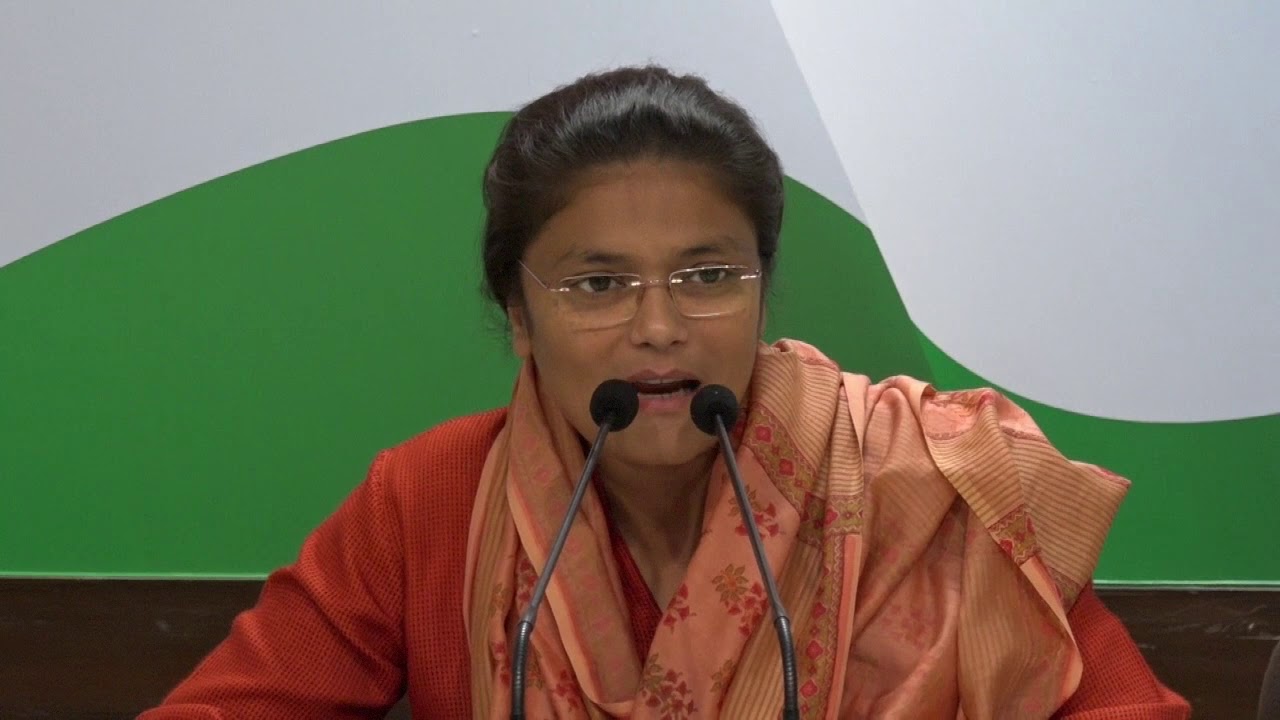
Former Trinamool Congress MP Sushmita Dev has resigned from the party and the Rajya Sabha, declaring her political future lies firmly in Assam, not West Bengal. Her departure, citing 'political reasons' and a desire to avoid being in 'two boats,' follows an immediate meeting with Assam Chief Minister Himanta Biswa Sarma, signaling a potential new political alignment amidst internal issues within the TMC.
In-Depth Analysis
Sushmita Dev, a prominent political figure and former Member of Parliament, has officially severed ties with the Trinamool Congress (TMC) and relinquished her Rajya Sabha membership, making a significant declaration that her political activities will now be concentrated in Assam. This move, which comes with the emphatic statement, 'My politics lies in Assam, not Bengal,' suggests a definitive shift in her political allegiance and geographical focus.
Dev's resignation marks a notable development in the political landscape, particularly for the Trinamool Congress, as she is reportedly the second MP to quit the party within the current week. This trend underscores what appears to be an ongoing period of internal dispute within the TMC, even as the party endeavors to fortify its organizational capabilities and presence. Her departure has ignited speculation about the underlying factors contributing to the party's challenges in maintaining cohesion among its parliamentary representatives.
Upon her resignation, Dev openly discussed her motivations, stating unequivocally that she quit the TMC for 'political reasons.' She elaborated on her decision, expressing a desire to avoid a situation where she felt divided, using the analogy, 'Don't want to be in a situation where I was in two boats.' This sentiment highlights a potential disconnect or strategic divergence that may have prompted her exit, indicating a clear choice for a new political direction that she believes will offer greater clarity and purpose.
The swiftness of her subsequent actions further amplified the political intrigue surrounding her departure. On Wednesday, following her twin resignations, Sushmita Dev promptly held a meeting with Assam Chief Minister Himanta Biswa Sarma. This direct engagement with the leader of the Bharatiya Janata Party (BJP)-led government in Assam has been widely interpreted as a strong hint of her potential alignment with the saffron party. Such a high-profile meeting immediately after leaving her previous party typically precedes an official announcement of joining a new political force, suggesting a pre-meditated political maneuver rather than an impulsive decision.
Sushmita Dev's political roots are deeply embedded in Assam, particularly in the Silchar region. She is the daughter of late veteran Congress leader Santosh Mohan Dev, who was a multiple-term MP from Silchar and a Union Minister. Her familial legacy has always linked her to the political fabric of Assam. While she previously served the Congress party, her tenure with the TMC, albeit brief, saw her represent West Bengal in the Rajya Sabha. Her current declaration to focus solely on Assam politics signifies a return to her foundational political geography and potentially, a strategic move to leverage her family's political capital in the state.
The implications of Dev's move are multifaceted. For the Trinamool Congress, losing a prominent face like Sushmita Dev, especially amid reported internal disputes, could be a blow to its national aspirations and efforts to expand beyond West Bengal. Each defection weakens the party's parliamentary strength and potentially erodes confidence among its cadres. For Assam, her re-entry into the state's active political scene could bring a new dynamic. If she indeed joins the BJP, it would bolster the party's presence and influence, particularly in Bengali-dominated areas of Barak Valley where she holds significant sway due to her family's long-standing political connections. Her experience as a national-level politician could be valuable to the ruling party in Assam, offering both electoral advantages and administrative expertise.
Her statement about not wanting to be in 'two boats' reflects a desire for a singular political identity and clear objectives, which she presumably believes she can achieve by aligning herself more closely with the political currents in Assam. This decision is poised to reshape certain regional political equations and will be closely watched for its broader impact on both state and national politics.
How do you feel about this story?